English







































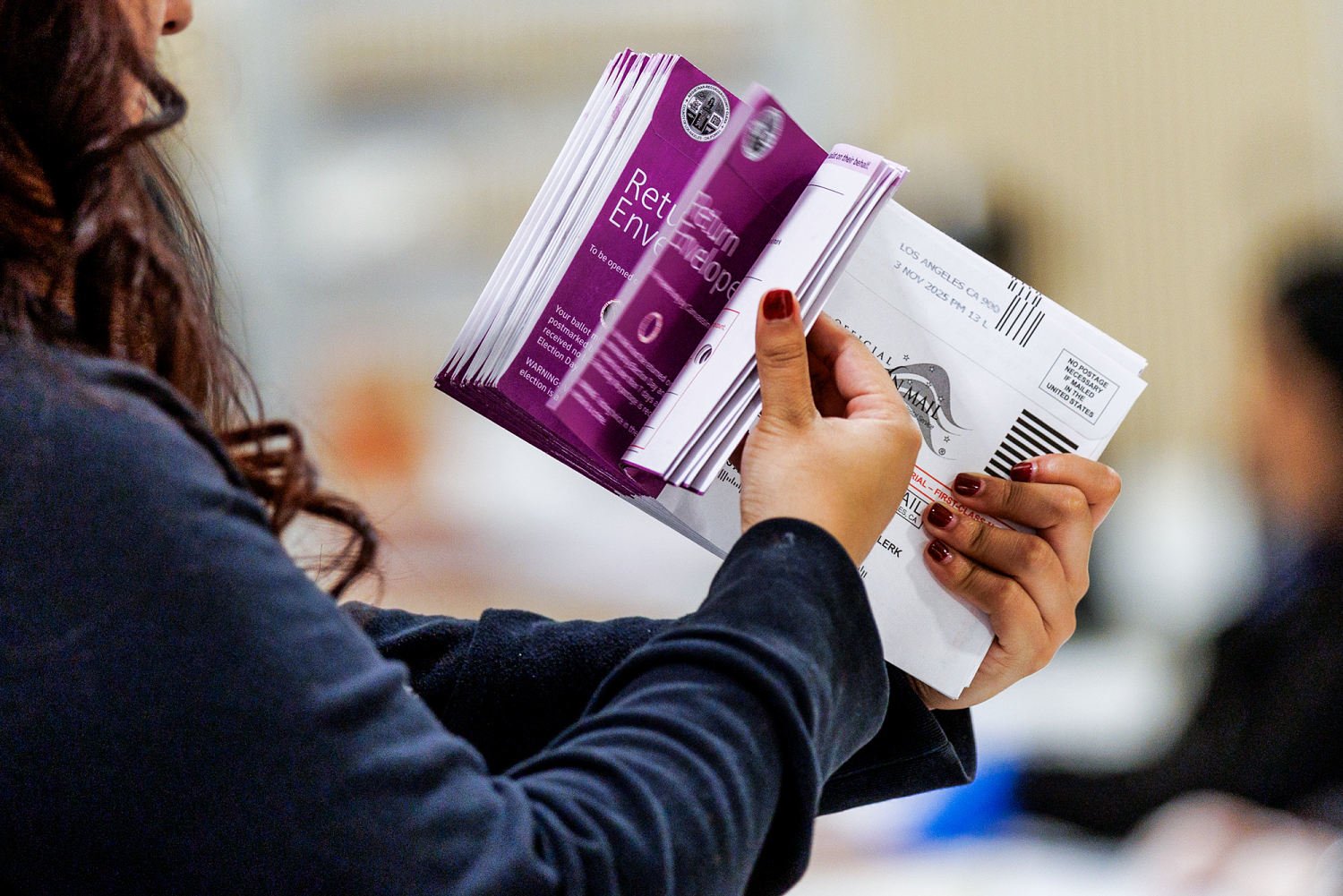
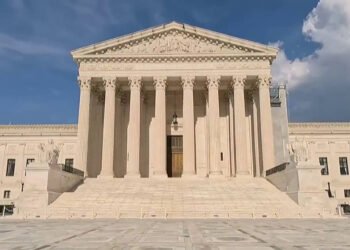
The U.S. Supreme Court has blocked a Trump administration rule that would have imposed new federal requirements on how states send mail-in ballots to voters. The court issued a brief order on Monday, rejecting an emergency application from the Trump administration. The administration had asked the court to overturn a lower court ruling that found the regulation was most likely unlawful. The court appeared divided 7-2, with conservative Justices Clarence Thomas and Samuel Alito dissenting.
What the Rule Would Have Required
Under the proposed regulation, states would have had to submit lists of eligible voters to the U.S. Postal Service. The Postal Service would then verify that ballots were only being sent to people on those lists before delivering them. States would also have had to follow specific directions about the design of ballot envelopes.
Stay connected to every major update — subscribe and follow us on the PhoenixQ website and across our social media platforms.
Typically, the Postal Service plays no role in how states manage their mail-in ballot processes. Critics argued the rule represented a significant and unprecedented expansion of federal control over state elections. Advocacy groups, including the League of Women Voters, warned the rule would cause unnecessary disruption and make it harder for millions of Americans to vote.
Several states, led by California, joined nonprofit groups in challenging the regulation. Many states said they would not be able to comply with the rule even if it had taken effect. A whistleblower complaint filed last week also alleged that the Postal Service system for checking ballots was flawed and could cause major disruptions if implemented.
Timing Concerns Played a Key Role
Time pressure was a central factor in the court’s decision. North Carolina had already begun sending out ballots on September 4, with other states set to follow shortly after. Implementing major new requirements so close to the election raised serious concerns about voter access and logistical feasibility.
Justice Brett Kavanaugh, part of the court’s conservative majority, wrote a brief concurring opinion. He acknowledged there was a “fair prospect” the Postal Service had the authority to issue such a rule. However, he agreed it had to be blocked because the administration introduced it too close to the election.
In his dissent, Justice Samuel Alito argued the federal government had the stronger legal argument. He acknowledged concerns about the difficulties of implementing the rule on short notice but said those concerns were “not enough to convince me” to side with the majority. Alito also criticized the courts, including the Supreme Court itself, for taking too long to resolve the case.
Background: Executive Order and Legislative Failure
President Trump signed an executive order on the issue in March, directing the Postal Service to issue the regulation. His original order envisioned the federal government creating voter lists and requiring the Postal Service to send ballots directly to those individuals. However, the Postal Service’s final rule did not include that provision.
Trump pursued the regulation after Congress failed to pass his SAVE America Act. That legislation would have imposed nationwide voting restrictions, including proof of citizenship requirements to register to vote and mandatory voter ID. The Republican-controlled Congress did not pass the bill.
Massachusetts-based U.S. District Judge Indira Talwani had earlier blocked the regulation. She ruled the Postal Service lacked the legal authority to issue it. Talwani also warned of a significant risk of voter disenfranchisement and noted the Trump administration offered no evidence the rule was necessary to prevent election fraud.
In her ruling, Talwani clarified that states may voluntarily follow the Postal Service regulation while litigation continues. However, she made clear they have no legal obligation to do so. She also ruled the Postal Service cannot refuse to deliver ballots on the basis of non-compliance.
The federal government had described the rule as a modest set of design and information requirements for ballot mail envelopes. Administration lawyers said the Postal Service would check envelopes for compliance when states sent out ballots and return non-compliant ones to election officials. Trump has repeatedly criticized mail-in voting, claiming without evidence that the election system is vulnerable to widespread fraud.