English













































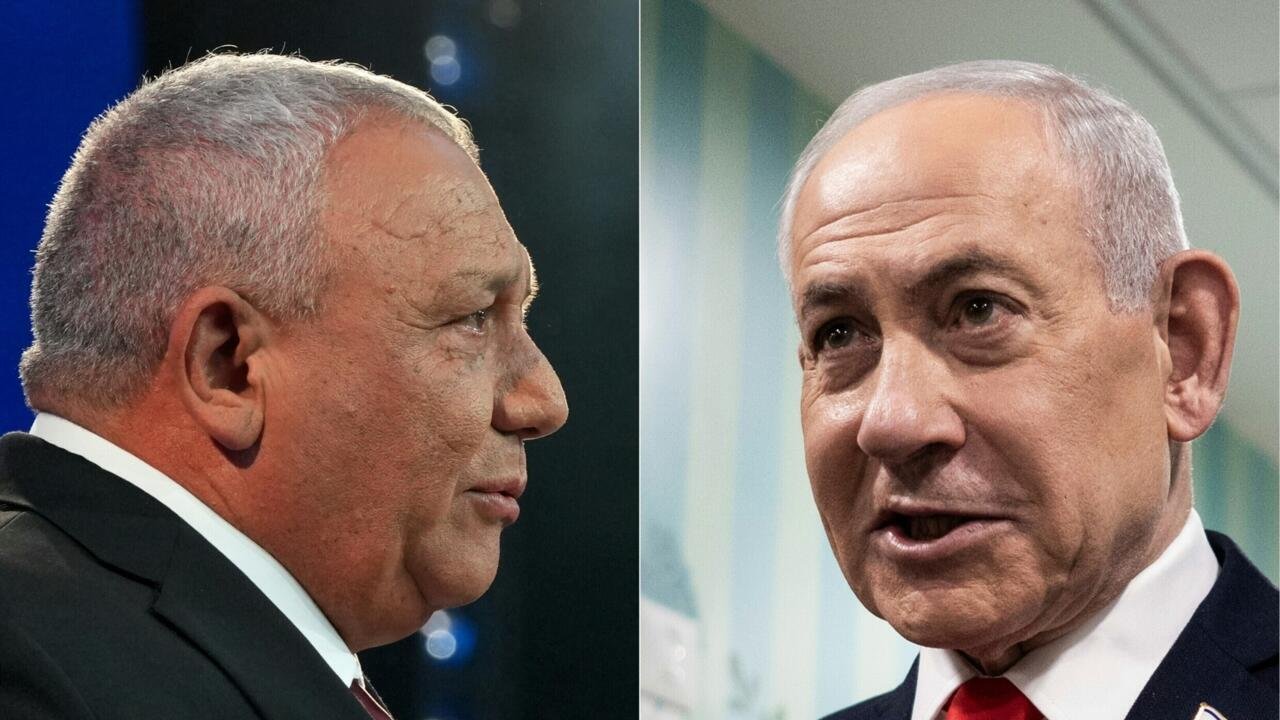
Israeli opposition leaders have united behind Gadi Eisenkot as their candidate for prime minister, setting up a direct political confrontation with incumbent Benjamin Netanyahu. The rival camps are now racing to secure enough support to form a government after last week’s election produced no clear majority for either side.
Opposition Bloc Prepares Its Next Move
Eisenkot’s Yashar party confirmed that leaders across the opposition’s change bloc would gather in Herzliya on Tuesday morning. The meeting marks the first formal gathering since the election results came in. Their agenda focuses on coordinating the bloc’s next steps toward forming a government.
Stay connected to every major update — subscribe and follow us on the PhoenixQ website and across our social media platforms.
The opposition bloc secured 48 seats in the 120-member parliament. Netanyahu’s camp won 53 seats, with 27 of those belonging to his Likud party. Arab-majority lists made significant gains, winning a record 19 seats and positioning themselves as potential kingmakers in the coalition talks.
Netanyahu Pushes for Broad National Government
On Monday, Netanyahu called for a “broad national government” led by himself. He argued that Likud’s status as the largest party gives him the right to lead the next coalition. “A clear majority of the Jewish public chose Likud as the largest party and chose me, as prime minister, to lead the next government,” he said in a statement on Likud’s Telegram channel.
Netanyahu also ruled out any partnership with Arab-majority lists. He alleged that those parties “support terrorism and deny the existence of the Jewish state.” Arab Israeli party leaders had unanimously condemned the Hamas attack on Israel on October 7, 2023, though none labeled Hamas a terror group. While the Raam party leader has recognized Israel as a “Jewish state,” other Arab party leaders have rejected that definition.
Arab Lists Hold the Balance of Power
The Arab lists have hinted they may endorse Eisenkot, but their formal position remains unclear. Their potential support is also a source of tension within the opposition bloc itself. Left-leaning Democrats leader Yair Golan has openly called for a partnership with the Arab lists. However, Avigdor Lieberman of Yisrael Beiteinu strongly opposes any such arrangement. Eisenkot’s party appears to have quietly ruled it out, without making an explicit statement. The position of Naftali Bennett’s centre-right Together party also remains uncertain.
What Happens Next
President Isaac Herzog will begin consultations with party representatives on Wednesday. He has until November 11 to select a candidate. Under Israeli law, the candidate with the most recommendations typically receives the mandate to form a government. That candidate then has 28 days, extendable by 14 days, to build a coalition.
If the first attempt fails, the president may assign a second candidate with another 28-day window. Should that also collapse, a group of 61 lawmakers can request a third candidate. If no government forms within 14 days of that request, parliament dissolves and new elections follow.