English
















































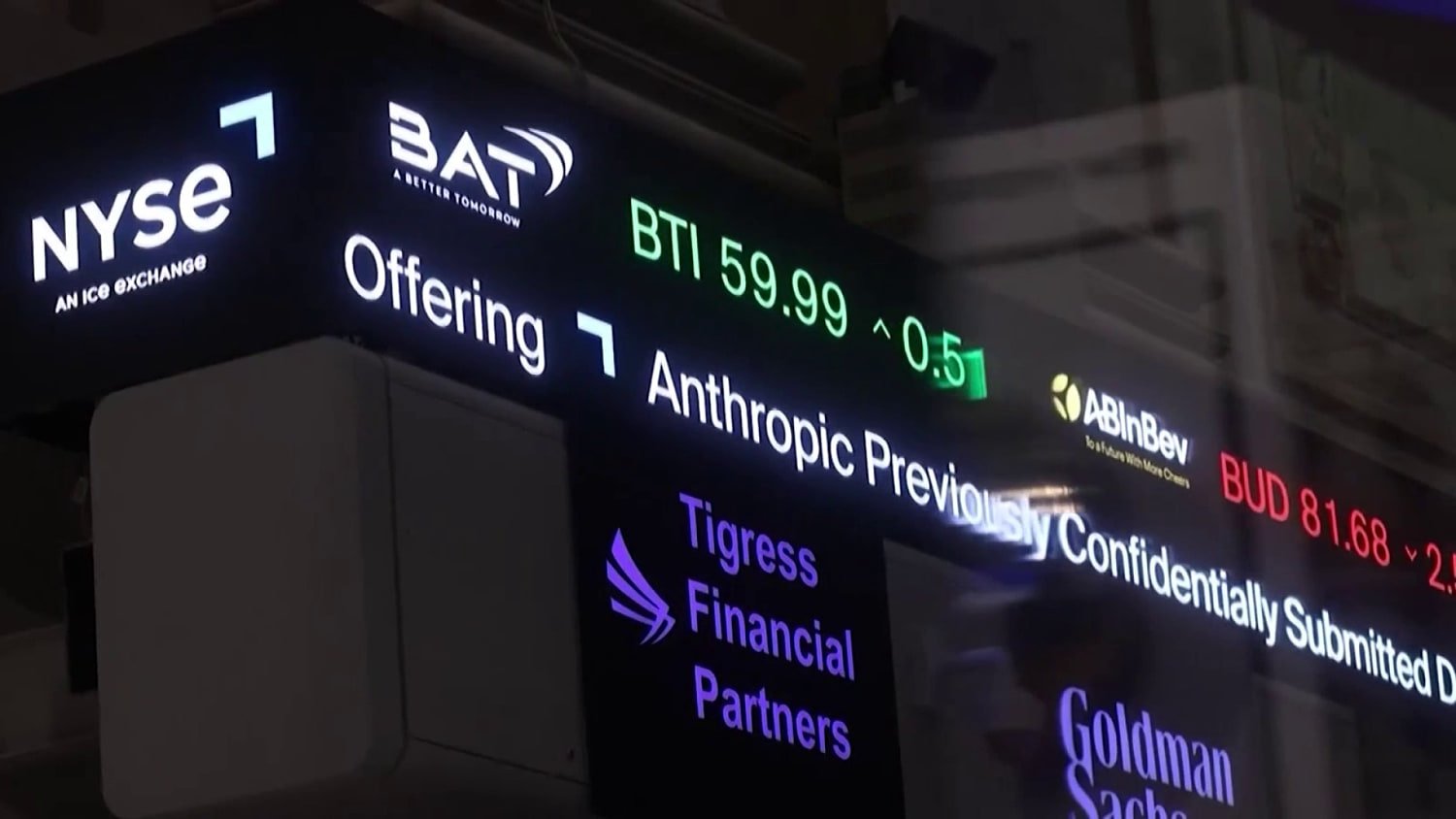
Google’s parent company Alphabet suffered a historic market collapse, losing more than $500 billion in market value in a single day. The dramatic drop has renewed fears that the artificial intelligence investment boom may be heading toward a painful correction.
A Historic Single-Day Loss
The scale of Alphabet’s losses on October 30, 2026 shocked investors and analysts alike. Few companies in history have shed that much value in one trading session. The event immediately triggered comparisons to previous technology bubbles and raised serious questions about the sustainability of AI-driven valuations across the sector.
Stay connected to every major update — subscribe and follow us on the PhoenixQ website and across our social media platforms.
NBC News reporter Allie Canal covered the story, highlighting how big tech companies have been spending aggressively on AI infrastructure. That spending has fueled enormous stock valuations in recent years. However, many investors are now questioning whether those valuations reflect real returns or simply speculative enthusiasm.
AI Spending Under the Microscope
Major technology firms have poured billions of dollars into AI development. The expectation has been that AI will generate transformative revenue over time. Yet so far, concrete financial returns have been difficult to measure at the scale that current stock prices imply.
The Alphabet collapse has therefore intensified scrutiny of the broader AI investment cycle. Analysts are now asking whether the market has priced in too much optimism too soon. For some observers, the single-day loss is an early warning sign of a bubble under pressure.
The question of AI’s impact on employment has also come back into focus. As companies invest heavily in automation and AI-powered tools, concerns about job displacement continue to grow. Canal’s reporting noted that the job market effects of AI remain a central part of the broader public debate surrounding the technology.
Broader Market Implications
Alphabet’s loss did not occur in isolation. The wider technology sector has faced growing uncertainty as interest rates remain elevated and investor appetite for speculative growth stocks has cooled. As a result, any sign of weakness from a company as large as Alphabet carries significant ripple effects across global markets.
Meanwhile, other major players in the AI space continue to expand. Companies like Anthropic have recently filed for public listings, signaling continued confidence from some corners of the industry. In contrast, the Alphabet selloff suggests that public market investors may be growing more cautious about long-term AI profitability.
BlackRock CEO Larry Fink has previously stated that he fears falling behind in the AI race more than he fears an AI bubble. That sentiment reflects a divide among business leaders about how to interpret the current moment. Some see the market correction as healthy. Others view it as a warning that the industry has overpromised and underdelivered.
What Comes Next
The events of October 30 are likely to shape how investors approach AI stocks in the months ahead. Greater scrutiny of earnings, revenue growth and actual AI product adoption seems inevitable. Companies will face increasing pressure to demonstrate that their AI investments are generating measurable financial results.
For now, Alphabet’s historic single-day loss stands as one of the most significant market events in recent technology history. Whether it marks the beginning of a broader AI bubble correction or simply a temporary shock remains to be seen. Either way, the conversation around AI’s true economic value has entered a new and more critical phase.