English


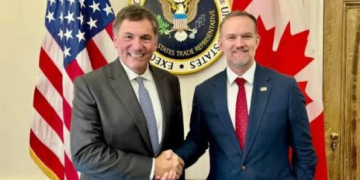









































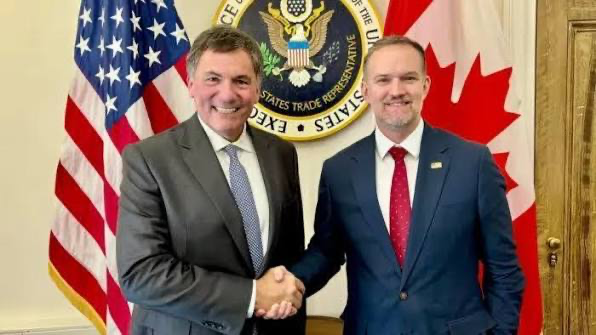
Canada and the United States appear closer to a Canada US trade deal after weeks of intense negotiations. Trade Minister Dominic LeBlanc will return to Washington on Thursday for crucial talks. He will meet U.S. Trade Representative Jamieson Greer as the tariff deadline approaches.
Foreign Affairs Minister Anita Anand will also travel to Washington. She plans to meet U.S. Secretary of State Marco Rubio. Their discussions will focus on continental security and other international priorities.
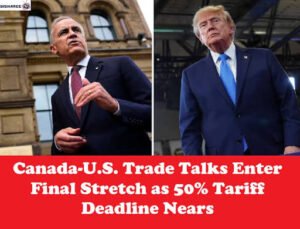
Canada seeks tariff relief
LeBlanc and Chief Trade Negotiator Steve Charette will meet Greer at the U.S. Trade Representative’s offices. The meeting comes as both countries enter the final phase of negotiations.
A source familiar with the talks says Canada expects tariff reductions on key exports. Those products include steel, aluminum and automobiles.
However, Canadian officials continue to warn that important work remains. LeBlanc said negotiators still need to complete several key issues.
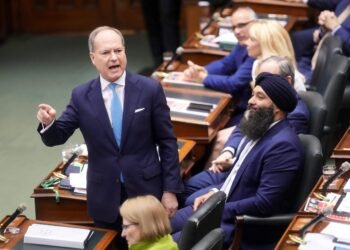
“We have more work to do,” LeBlanc told reporters in Ottawa.
His comments followed meetings in Washington and a cabinet meeting with Prime Minister Mark Carney. Meanwhile, Charette continues working on unresolved elements of the agreement.
“Follow major developments with fast and accurate coverage from PhoenixQ.”
Provinces await details from Ottawa
The federal negotiations have also created uncertainty among Canada’s provinces. Carney held a meeting with provincial premiers on Wednesday.
The premiers discussed the ongoing negotiations with the Trump administration. However, some provincial leaders said they still lack important information.
Quebec Premier Christine Frechette described the negotiations as far from finished. She said her government needs further clarification from Ottawa.
Frechette also warned about the impact of continued uncertainty. She said the situation affects workers, businesses and farmers across Quebec.
Her government plans to speak with Carney’s team again on Thursday. The discussions could provide provinces with more details about the emerging agreement.
Trump tariffs remain a major concern
The negotiations have taken place under the threat of sweeping U.S. tariffs. President Donald Trump previously threatened tariffs as high as 50 percent on some Canadian goods.
Those measures created significant uncertainty for Canadian businesses. They also raised concerns about jobs, investment and supply chains.
Canada now appears to be seeking a more stable framework with Washington. A successful agreement could reduce tariffs affecting several major Canadian industries.
Still, officials have not announced a final agreement. Both governments must resolve remaining differences before they can declare a deal.
Could American alcohol return to Canada?
The negotiations have also sparked discussion about American alcohol products. Several premiers said Carney asked provinces to restore American liquor to store shelves.
The request comes as Canada works toward a new trade arrangement with Washington. Provinces removed or restricted many American products during the tariff dispute.
Nova Scotia Premier Tim Houston was among the premiers who discussed the request publicly. However, the exact timing of any changes remains unclear.
The issue reflects the broader economic tensions created by the trade dispute. Both countries have used tariffs and trade restrictions during their negotiations.
A critical moment for Canada and the U.S.
The latest meetings could prove important for the future of Canada-U.S. economic relations. Both governments face pressure to protect domestic industries while maintaining cross-border trade.
For Canada, tariff relief remains a central objective. Ottawa also wants greater certainty for manufacturers, farmers and other exporters.
For Washington, the negotiations provide an opportunity to secure concessions from a major trading partner. However, prolonged uncertainty could also hurt businesses on both sides of the border.
The Canada US trade deal therefore carries consequences well beyond tariffs. It could influence investment, employment and supply chains across North America.
For now, negotiators remain focused on the final unresolved issues. With the tariff pause nearing its deadline, both sides face growing pressure to reach an agreement.