English







































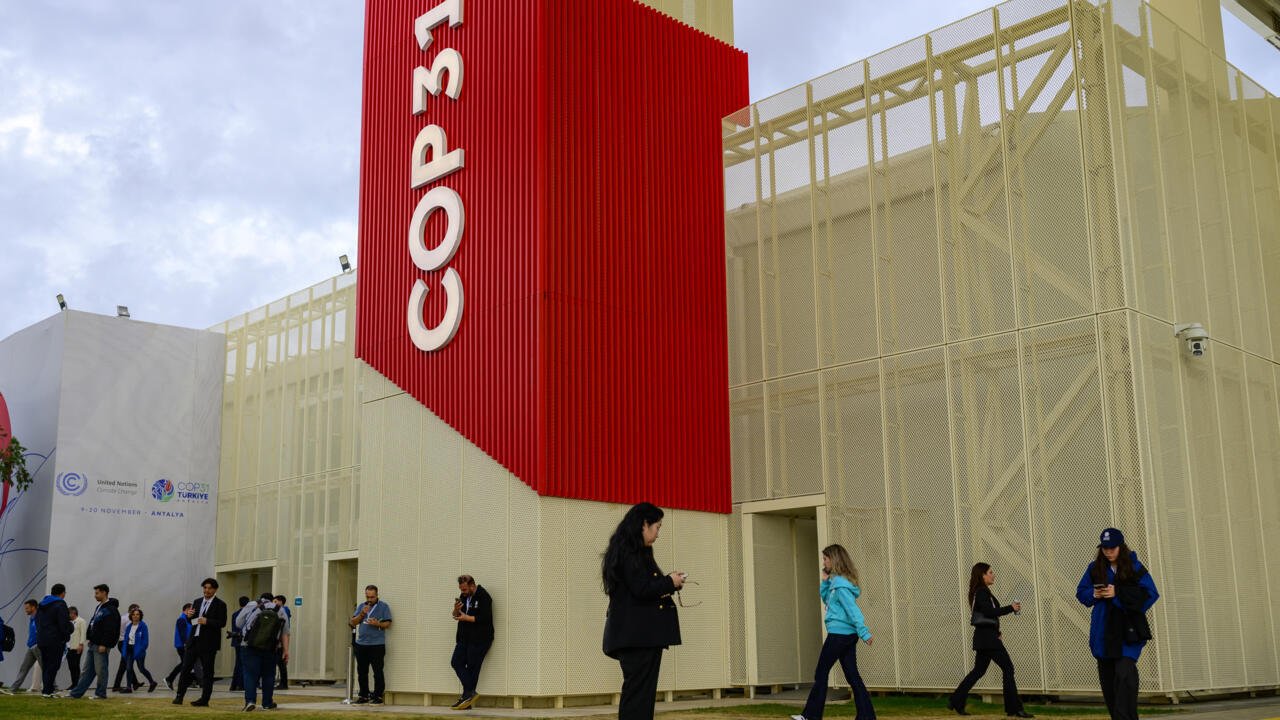
Vanuatu’s Environment Minister Ralph Regenvanu has called for urgent reform of the UN climate summit process, warning that a small group of countries is actively blocking progress at COP31. Speaking to AFP on Wednesday in Antalya, Turkey, Regenvanu said the current system allows powerful interests to stall climate ambition for the rest of the world.
Naming the Blockers
Unlike many officials who speak in vague terms, Regenvanu named specific actors. He identified “the Arab bloc and the LMDCs” as the main obstacles to progress. This grouping includes around twenty developing nations, among them Saudi Arabia and India. He also pointed directly to Russia.
Stay connected to every major update — subscribe and follow us on the PhoenixQ website and across our social media platforms.
Regenvanu argued that obstruction extends well beyond climate talks. He cited the ongoing plastics treaty negotiations as another example. Talks on a global treaty against plastic pollution began in 2022 under UN oversight but have so far failed to produce results. “This is happening across all multilateral processes,” he said.
He also linked the broader weakening of multilateralism to US President Donald Trump. The United States has again stayed away from COP31, continuing a pattern of disengagement under Trump’s leadership. Meanwhile, multiple geopolitical tensions between nations are further complicating discussions in Antalya.
The Finance Divide
Regenvanu acknowledged that the gap between developed and developing countries on climate finance is “deep and almost unbridgeable.” However, he said vulnerable nations still have a responsibility to seek common ground. “Our role is to try as much as possible to build bridges,” he said.
Vanuatu is a member of the Alliance of Small Island States, a bloc that has historically pushed for the most ambitious climate outcomes. Its members, spread across the Pacific and Caribbean, face rising sea levels and increasingly severe storms. For these communities, climate agreements are not abstract policy — they are a matter of survival.
Risk of Going Backwards
Regenvanu expressed serious concern that COP31 could result in backsliding on previously agreed commitments. “There’s a great risk of going backwards with this COP,” he said. “Things we thought couldn’t be threatened, that were agreed, are suddenly on the table.”
Some countries, including Panama, are pushing for majority voting at climate summits to break through deadlocks. Currently, the talks operate by consensus, which gives any single country the power to stall or block outcomes. Regenvanu supports reforming this process so that a small number of states can no longer hold back global climate action.
Despite the difficulties, Regenvanu said his delegation remains engaged. “We come here with high ambitions, but we have realistic expectations,” he said. “We know it’s a very difficult space.” Vanuatu also leads climate efforts beyond the COP, including at the International Court of Justice, where it secured an advisory opinion on climate obligations last year.