English





































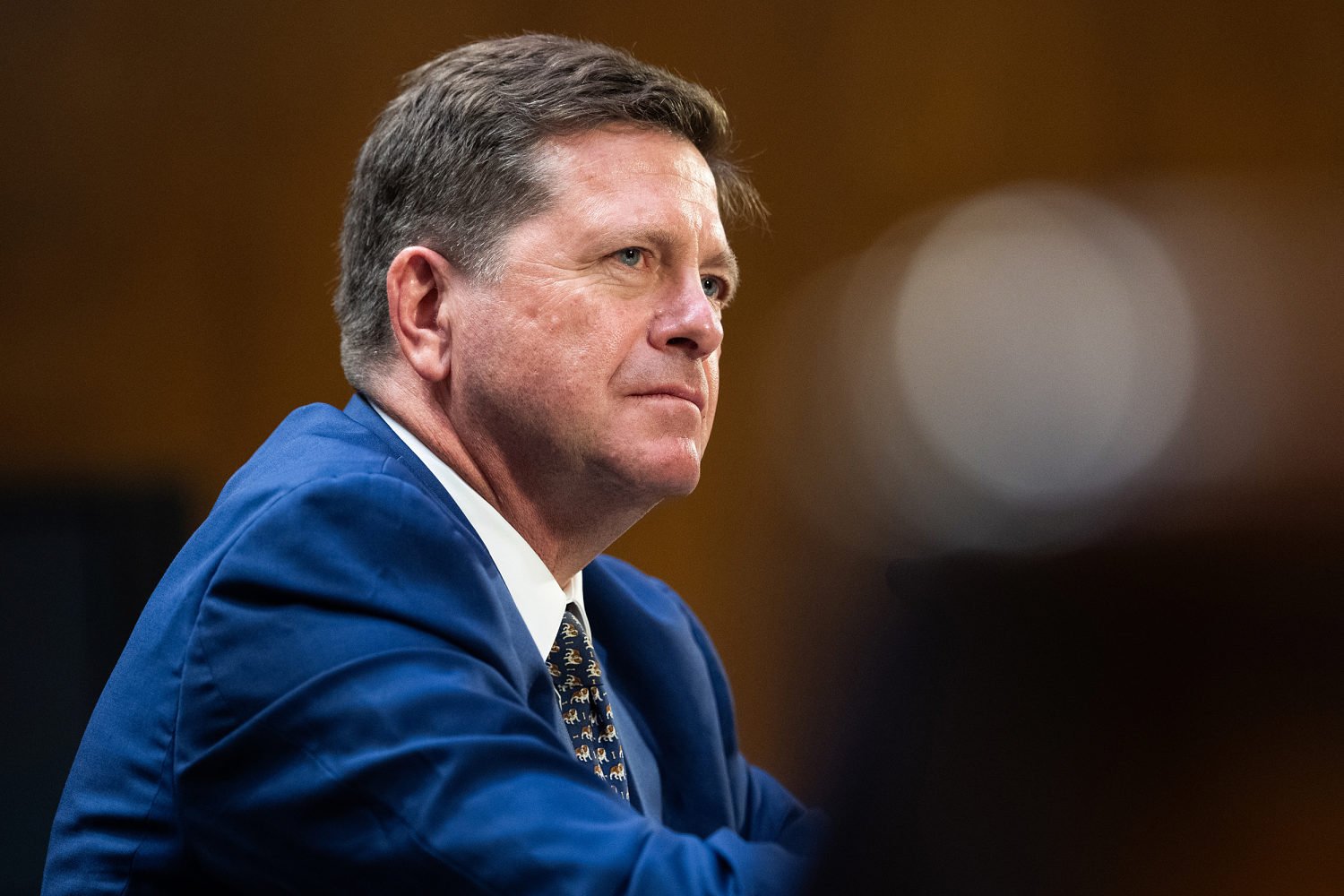
A bipartisan pair of U.S. senators has urged the Trump administration’s AI czar to develop a national strategy addressing the growing threat of AI-assisted cyberattacks. The call comes amid a wave of recent outages affecting major American institutions, raising questions about the resilience of the country’s digital infrastructure.
Senators Warn AI Is Outpacing Cyber Defenses
Senators Maria Cantwell of Washington, the top Democrat on the Senate Commerce Committee, and Mike Rounds of South Dakota, the Republican chair of the Senate Armed Services Subcommittee on Cybersecurity, sent a letter to White House AI czar Jay Clayton. They warned that current defenses are failing to keep up with AI-powered threats.
Stay connected to every major update — subscribe and follow us on the PhoenixQ website and across our social media platforms.
“AI is rapidly increasing the ability to discover and exploit weaknesses in software, and our defenses are not keeping pace,” the senators wrote. They noted that repair patches can take weeks or months to deploy. Meanwhile, autonomous AI agents are introducing new security risks that existing systems are not equipped to handle.
The senators also pointed to an ongoing wave of cyberattacks in Japan. Those attacks have hit financial institutions and companies, leading to large-scale data breaches that the Japanese government is now working to contain. Authorities believe AI has boosted the scale and speed of those attacks.
In addition, the letter cited incidents where rogue AI agents accessed customers’ bank accounts without authorization. Banks are now concerned that AI could initiate financial transactions independently, creating serious risks for consumers.
Clayton Expected to Face Questions in Congress
Clayton, who also serves as Director of National Intelligence, took on the AI czar role in early October. He leads a government task force tasked with producing a comprehensive AI policy by the end of January. The White House did not immediately respond to a request for comment.
Clayton is scheduled to testify before the House Committee on Homeland Security on Wednesday morning. Lawmakers are expected to raise questions about whether AI played any role in the recent outages affecting U.S. consumers and travelers.
The senators are asking Clayton’s task force to bring together AI companies and federal agencies. Their goal is to secure digital infrastructure and establish clear security standards for autonomous AI systems.
Rubio Downplays Connection Between Recent Outages
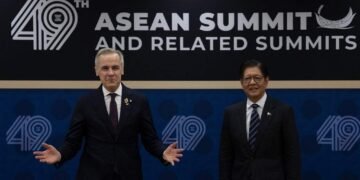
Secretary of State Marco Rubio sought to reassure the public while speaking to reporters in the Philippines. He said recent outages affecting Microsoft Outlook, United Airlines and the Federal Aviation Administration are unrelated to one another.
“We have zero evidence or any reason to believe that any of these isolated or individual instances have anything to do with nefarious actors, with cyber hackers, with criminals, with another nation state, with a malign actor of any kind,” Rubio said.
However, the bipartisan nature of the senators’ letter signals that concern over AI cybersecurity extends across party lines. As AI capabilities continue to advance, lawmakers are pressing the administration to act before threats outpace the country’s ability to respond.