English





























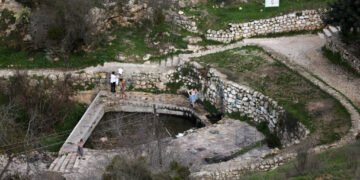
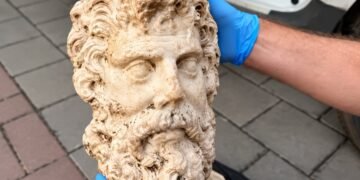
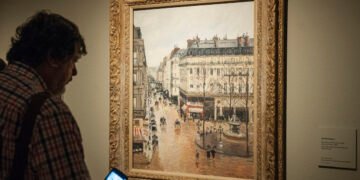














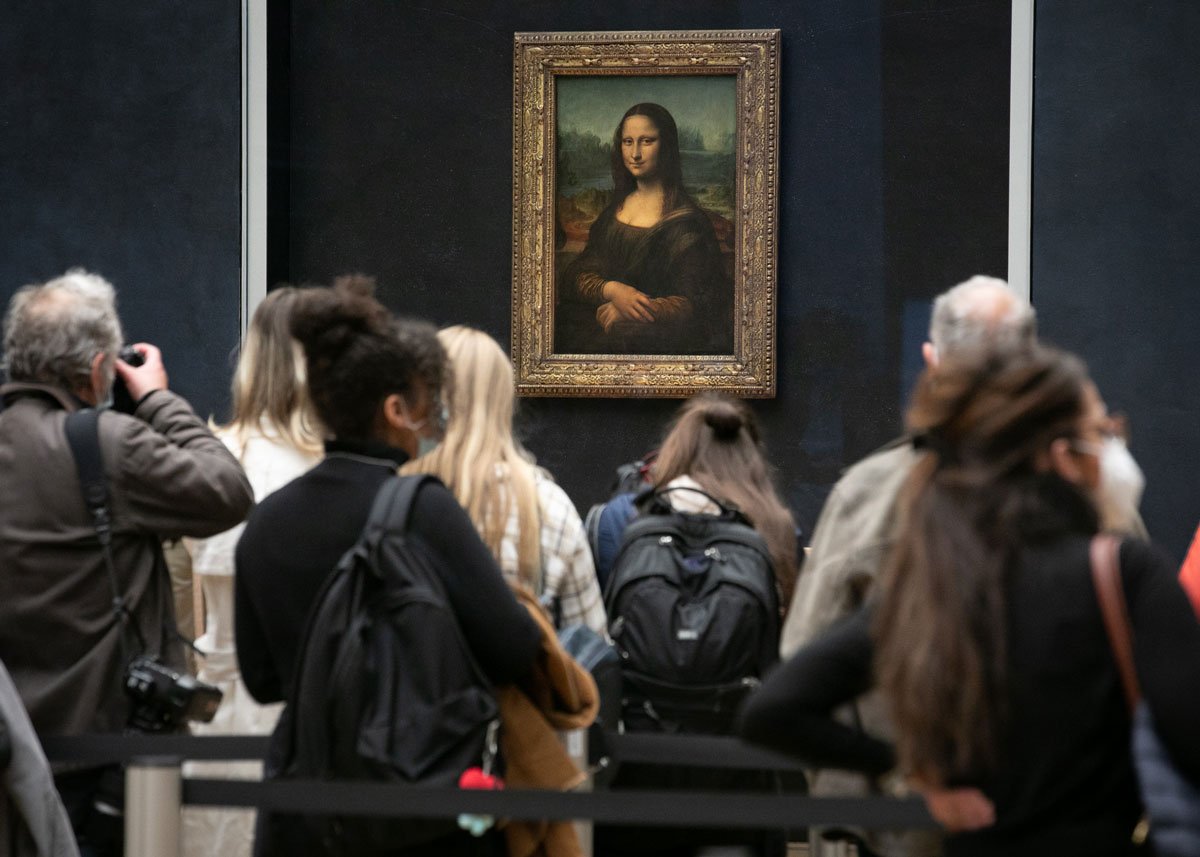
France’s most celebrated historical landmarks face a growing threat from climate change, with three recent studies warning that global warming could endanger the majority of the country’s listed heritage sites within the next few decades.
Historic Sites Under Threat
France just recorded its hottest summer in history. Now, researchers are raising urgent questions about what rising temperatures mean for the country’s architectural and cultural treasures. One study by the Climate Institute at the Edhec Business School estimates that by 2050, 60 percent of listed French heritage sites will face serious risk.
Stay connected to every major update — subscribe and follow us on the PhoenixQ website and across our social media platforms.
The three studies, published since September, include research by the publicly run Monuments Nationaux organization and the Réseau Action Climat. Together, they paint a troubling picture of what climate change could mean for some of France’s most iconic places.
The Château d’Azay-le-Rideau in the Loire Valley illustrates the problem clearly. The site suffers from flooding on one hand, and on the other, receding water levels that expose its ancient wooden foundation beams to air and decomposition. Professor Grégory Quenet, who led the Réseau Action Climat study, put the stakes plainly. “Are we ready to accept that floods will damage the Château de Chambord, that paintings will disappear at Lascaux, that the Strasbourg Cathedral will crumble?” he asked.
New Museum Director Speaks Out
Meanwhile, in New York, New Museum director Massimiliano Gioni is navigating his own set of challenges. In a recent interview with Le Journal des Arts, Gioni spoke about his transition from artistic director to the institution’s top leadership role. He acknowledged that money had become “a much greater preoccupation” in his new position.
However, Gioni made clear that financial pressures would not slow the museum’s ambitions. “What matters is impact,” he said. “Our budget is increasing by about $8 million, but we remain at a scale that allows for risk-taking.” He also noted that “a certain radicalism” is part of the museum’s identity.
Gioni also commented on the broader role of cultural institutions in public life. He pointed to Donald Trump’s attacks on the Smithsonian as evidence of museums’ deeper significance. “Why does he spend so much time on the Smithsonian or the Kennedy Center? Because he knows they embody values that many of us believe should be universal rather than determined by parties,” Gioni said.
Arts World in Brief
At 96, Surrealist painter Cossette Zeno is finally receiving wider recognition. A small survey of her work from the 1950s is currently on view at Richard Saltoun’s New York gallery.
In addition, the former Greenwich Village studio of Jackson Pollock and Lee Krasner has come to market. Sotheby’s International Realty listed the property for $7.995 million.
The World Monuments Fund also announced a significant fundraising milestone. The organization raised $62 million for its endowment, surpassing its target 18 months ahead of schedule.
Furthermore, Artissima, Turin’s contemporary art fair and a favourite among curators, opened to the public with 183 galleries representing 35 countries. Separately, Canadian defence manufacturer Roshel donated a Senator mine-resistant armoured vehicle, previously used by Ukrainian forces, to the Canadian War Museum in Ottawa.
Finally, filmmaker Tacita Dean discussed her new film about Arte Povera artist Marisa Merz with the Financial Times. Dean first met Merz in 2005 and described her as “incredibly secretive.” Three institutional exhibitions now celebrate Merz, marking 100 years since her birth. Dean also noted that Marisa collaborated closely with her husband, artist Mario Merz, on many of his well-known works, suggesting their projects “were mostly collaborations.”