English









































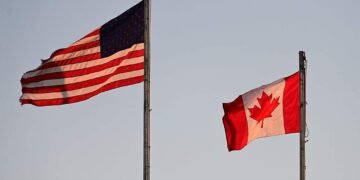



The Trump administration has granted tariff exemptions on a range of Canadian imports, a move widely seen as an effort to protect Republican candidates ahead of the November 3 midterm elections. The exemptions include 50% duties on certain agricultural products that the U.S. imposed after Canada withdrew from trade negotiations with the administration in late August.
Collins Announces Relief for Maine’s Agricultural Sector
Republican Senator Susan Collins of Maine first broke the news on social media. Collins faces a difficult re-election battle and framed the exemptions as a direct win for her state. “I am pleased to have secured additional tariff exemptions for products crucial to Maine’s agricultural industries, including blueberry, potato, apple, and seaweed producers,” she wrote.
Stay connected to every major update — subscribe and follow us on the PhoenixQ website and across our social media platforms.
In addition to agricultural goods, Collins listed plastic boxes, crates, packing materials, refrigeration equipment, sealing and labeling machinery, packing equipment, film, foil, and seaweed products among the items receiving exemptions. She noted that many “farmers and growers rely on specialized equipment, packaging materials, and other products from Canada that are either unavailable from American suppliers or cannot be replaced without incurring significant expense.”
The White House confirmed the action in a document posted to its website. However, officials also announced new tariffs on “certain valves, carpets, waste products,” and other items to offset the duties being removed. The administration described the overall move as an effort to “further refine the scope of the tariffs” applied to Canada.
Political Tensions Surround the Announcement
Collins’ Democratic challenger, Troy Jackson, quickly pushed back. “Trump’s trade wars have made life harder and more expensive for Mainers,” Jackson said. “Susan Collins enabled this chaos, voted to confirm the people behind it, and now wants credit for bringing a cup of water to put out the fire.” He added on X: “Mainers needed help long before Susan Collins needed saving.”
Notably, Collins made no mention of Trump in her announcement. Instead, she credited U.S. Trade Representative Jamieson Greer and Commerce Secretary Howard Lutnick. The White House, in turn, made no mention of Collins, who has occasionally clashed with the president. Collins said she would “continue working directly with Administration officials to seek additional relief and encourage a broader trade agreement with Canada, our neighbor, ally, and largest trading partner.”
Collins is not alone among Republicans showing unease over the trade war. Michigan Senate candidate Mike Rogers told NBC News last week that he would like to see the conflict with Canada “wrapped up.” Meanwhile, polls currently show Democrats with a solid chance of winning majorities in both the House and Senate.
Canada Stands Firm and Looks Elsewhere for Trade Partners
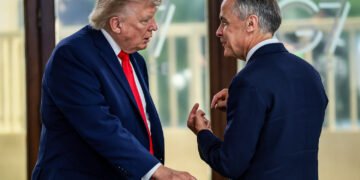
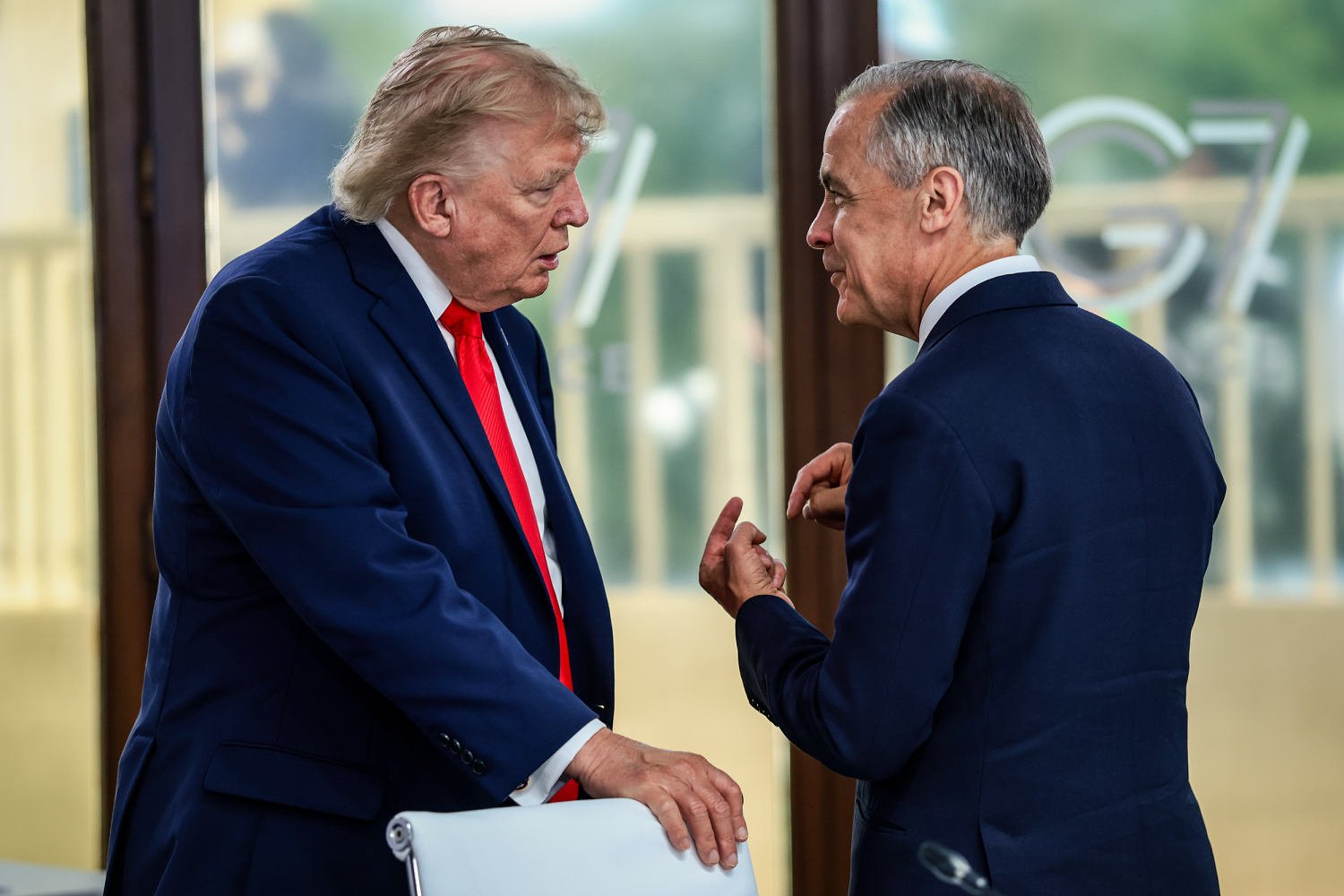
The U.S.-Canada trade dispute escalated after American officials made demands that Prime Minister Mark Carney called “unfair” and “uneconomic.” The U.S. responded with two waves of tariffs, the second of which included the 50% duties now partially reversed. Trump has repeatedly insisted that Canada offers nothing the U.S. cannot supply itself. “We have everything,” Trump said in September.
On September 28, Trump predicted Canada would soon back down. “I think what’s going to happen is over the next three or four weeks, they’re going to come to us and say, ‘we’re going to get rid of all the tariffs,'” he said. He also predicted: “We’re going to win everything. They’re going to come in and say, ‘Sir, we are sorry.'” When a reporter asked Carney about that prediction the following day, the prime minister simply laughed and declined to comment further.
Carney has held firm throughout the dispute. Rather than conceding to U.S. pressure, Canada has actively expanded trade ties with China, India, and the United Kingdom. Next week, Carney is set to reach a landmark agreement with the European Union during an EU-Canada summit in Montreal. The deal would make Canada the bloc’s first-ever “associate member.” The EU’s 27 member states together form the world’s largest single trading bloc and rank third globally in economic size, behind only the U.S. and China.
The Commerce Department and the Office of the U.S. Trade Representative did not respond to requests for comment on the tariff exemptions.