English














































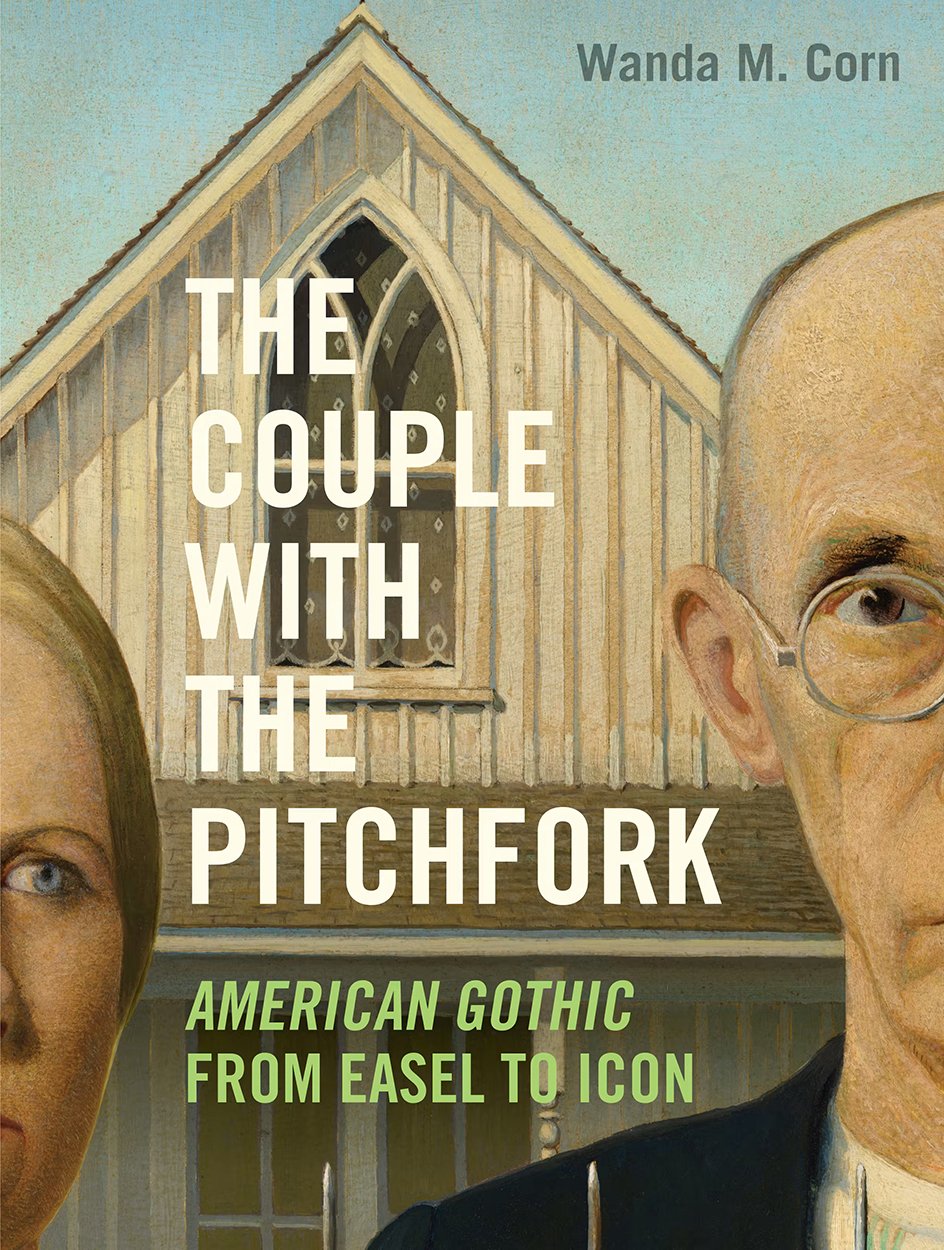
Grant Wood’s 1930 painting American Gothic is one of the most recognized images in the history of American art. Now, after five decades of research, art historian Wanda Corn has published The Couple with the Pitchfork: American Gothic from Easel to Icon, a sweeping examination of how a modest regional painting became a global cultural symbol.
A Personal and Scholarly Journey
Corn is a leading scholar of American art. She has spent fifty years thinking about why American Gothic resonates so deeply with so many people. Her interest is both professional and personal. The book includes a photograph of her own grandparents standing side by side outside their Indiana home. Her grandfather wears denim overalls. Her grandmother has her hair pulled back and wears a homemade dress.
Stay connected to every major update — subscribe and follow us on the PhoenixQ website and across our social media platforms.
The parallels between that family photograph and Wood’s painting are striking. Wood grew up in Iowa, and Corn argues he was drawing directly from a shared Midwestern identity. However, a portrait of a rural Midwestern couple seems an unlikely candidate for lasting international fame.
The Painting’s Origins and Misunderstood Meaning
Wood himself insisted the two figures were not a married couple. He described them as a small-town father and daughter. He based the figures on his sister Nan and his dentist. At the time, Wood was actively searching for a visual style rooted in the American Midwest. He had previously experimented with French Impressionism, making several trips to Paris. He also worked as a decorator in Cedar Rapids, Iowa.
Growing arts funding from philanthropists, including the Carnegie Foundation, gave Wood more opportunities to develop work that felt genuinely regional. American Gothic marked his full embrace of that direction. Rather than simple realism, Corn shows the painting reflects a deep engagement with pattern, form and geometry. Vertical lines — from the pitchfork tines to the church steeple in the background — organize the composition. Oval and round shapes, including the figures’ long faces, the woman’s brooch and the calico pattern, create visual harmony throughout the scene.
Despite this careful construction, the painting was immediately misread. After winning a prize at a juried exhibition at the Art Institute of Chicago, it spread quickly through newspapers. Its clean geometric forms reproduced well in newsprint. The press labeled the figures a farmer and his wife. Iowans objected to the outdated pitchfork and the woman’s stern expression. Art critics found it out of step with modernist abstraction. Almost everyone agreed it depicted a marriage, which was not Wood’s intention at all.
From Regional Painting to Cultural Icon
For Corn, this widespread misreading is central to the painting’s enduring power. Because viewers saw an archetypal married couple, the image became endlessly adaptable. She draws on a personal archive of hundreds of reinterpretations. These include American Gothic sculpted in butter at a state fair, versions supporting same-sex marriage, and feminist adaptations showing the woman leaving for work.
Surprisingly, some of the earliest artists to reappropriate the image were Black urban artists who encountered the painting in Chicago during the 1930s. The Art Institute acquired the work shortly after its debut. Certain African American artists saw Wood as a model — a self-taught painter from farm country who built something meaningful from humble surroundings. For artists like Walter Ellison, reproducing the motif of a couple posed before a family home became a way of telling stories about migration and belonging.
The Tension Beneath the Surface
Corn’s broader argument is that American Gothic taps into one of the oldest archetypes in Western art — the paired couple. She traces this motif from ancient Egyptian princes to Etruscan terra cottas to Dutch Golden Age portraits. Wood rendered this archetype in a form accessible to modern audiences.
Yet unlike those earlier examples, Wood’s painting carries a quiet unease beneath its smooth surface. That tension, Corn suggests, is what keeps the image alive and invites reinterpretation. Wood, who was likely gay, experienced a failed marriage of his own five years after completing the painting. His visual language celebrated plainspoken Midwestern values. At the same time, he proved uniquely capable of capturing the gap between the expectations society imposes and the more complicated reality people actually live. That tension, more than anything else, may explain why American Gothic has never stopped speaking to new generations of viewers.