English










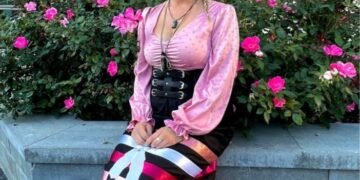




















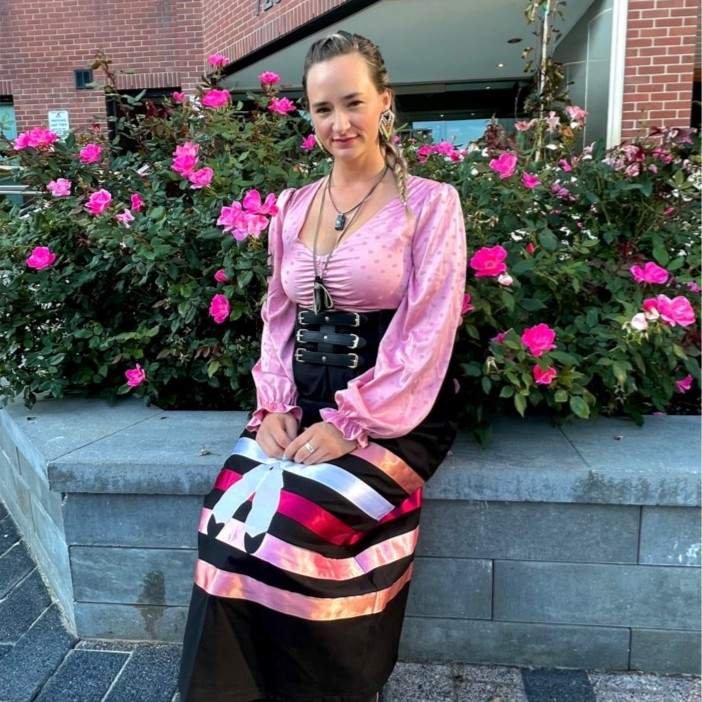
A formal complaint filed with the Law Society of Ontario is calling for disciplinary action against a Toronto lawyer who has built her career as an Anishinaabe legal expert, alleging she has no verifiable Indigenous ancestry. The complaint, filed on October 14, targets Promise Holmes Skinner, who identifies as Anishinaabe-Scandinavian and teaches Indigenous law at the University of Toronto.
A Career Built on Indigenous Identity
Holmes Skinner runs a private law practice focused on Indigenous law. She also previously served as a senior manager at Toronto’s Aboriginal Legal Services. Her LinkedIn profile describes her as an “Anishinaabe-Scandinavian lawyer” working at the intersection of Indigenous legal traditions.
Stay connected to every major update — subscribe and follow us on the PhoenixQ website and across our social media platforms.
The complaint alleges she has “no First Nations, Inuit bloodline to speak of.” Holmes Skinner declined a request for an interview. However, she provided a written statement to Global News acknowledging she holds no documentary proof of Indigenous ancestry.
In her statement, she said she carries a “cherished understanding that my grandmother was Anishinaabe” from Cape Croker First Nation in Ontario. She added that without documentary evidence to verify that belief, she has “learned culture in other ways.”
Holmes Skinner also said she has been “transparent about not being a rights-bearing individual” and has not claimed benefits or positions reserved for such individuals. She noted that her family is from Cape Croker First Nation, but she does not claim membership there herself. She described her legal work as “contributing skills, not taking space I am not invited to take.”
Experts and Advocates Weigh In
Her lawyer, Andrea Gonsalves, challenged the idea that Indigenous identity can only exist through proven blood connections to a rights-bearing community. However, that position drew a sharp response from Kim TallBear, a globally recognized academic expert on disputed Indigenous identity claims.
TallBear, a citizen of the Sisseton-Wahpeton Oyate, said the issue is straightforward. “If she can’t verify her grandmother is Anishinaabe, don’t be speaking as an Anishinaabe person,” she said. She added that non-Indigenous allies can and do support Indigenous communities without claiming to belong to them. “We have all kinds of non-Indigenous people that do that, and they don’t claim to be us,” TallBear said.
Crystal Semaganis filed the complaint. She leads a grassroots organization that tracks and exposes suspected cases of Indigenous identity fraud. Her complaint also asks the Law Society of Ontario to apologize for allegedly allowing a member to occupy roles intended for First Nations, Inuit and Métis lawyers. Furthermore, it calls on the Law Society to develop and implement an authentication policy that goes beyond self-identification declarations.
Semaganis has previously testified before the House of Commons Standing Committee on Government Operations and Estimates. Her testimony addressed non-Indigenous individuals claiming Indigenous identity to access procurement contracts under Ottawa’s Procurement Strategy for Indigenous Business. Meanwhile, Semaganis herself faces a lawsuit from a family of women who allege she falsely accused them of fabricating an Indigenous identity. That case remains before a Yukon court.
University of Toronto Under Scrutiny
The complaint also raises questions about the University of Toronto’s verification practices. In September, Global News asked the university how it verified Holmes Skinner’s Indigenous identity. The university declined to answer, citing privacy concerns. Shortly after, it removed a page from its website that had outlined its verification process.
Then, on October 20, the university announced the launch of a new Indigenous substantiation process. The updated process requires genealogical evidence and membership with a rights-bearing nation. However, the university confirmed to Global News that the policy “does not apply retroactively.” Instead, it will apply to current faculty members who identify as Indigenous when they pursue new opportunities, such as promotions, research funding or awards.
Many universities across Canada have introduced similar verification policies in recent years. Several high-profile cases involving academics with disputed ancestry claims prompted those changes.
Law Society Response
Law Society of Ontario spokesperson Amy Lewis said the organization considers several factors when reviewing a complaint. These include potential risk to the public, public confidence in the legal profession and the administration of justice. Lewis confirmed the Law Society does not comment on complaints or investigations until they conclude.
Gonsalves also declined to comment directly on the complaint. She noted, however, that “anyone can put anything in a complaint” and that filing a complaint does not reflect on its merit. The Law Society has not indicated a timeline for its review of the matter.