English















































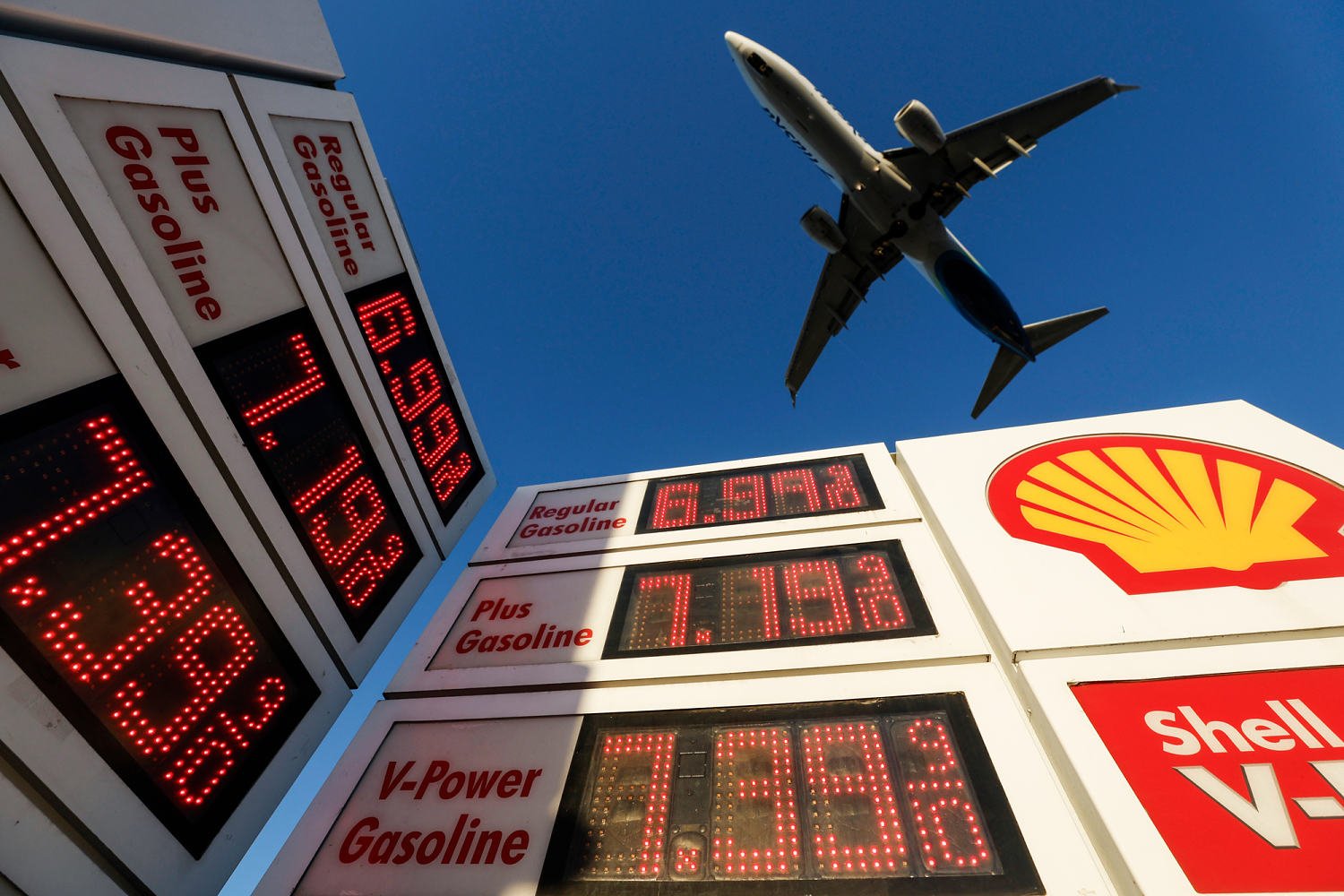
Rising diesel prices are pushing inflation higher across the United States, with the fuel’s cost climbing more than 75% since the Iran war began in late winter. Economists warn that higher diesel costs filter through to nearly every sector of the economy. The final government inflation report before November’s midterm elections is expected to confirm just how deeply those pressures have taken hold.
The Bureau of Labor Statistics will release its September consumer price index report at 8:30 a.m. on Wednesday. Economists surveyed by Dow Jones expect the annual inflation rate to rise to 3.7%, up from 3.4% in August. Month-on-month, prices are forecast to have increased by 0.6% — one of the largest monthly jumps in years.
Stay connected to every major update — subscribe and follow us on the PhoenixQ website and across our social media platforms.
Diesel Prices Hit Farmers, Truckers and Swing States
Oil prices have climbed above $105 per barrel since August, up from around $80. Regular gasoline prices also remain more than 45% higher than they were in late February, when the Iran war started. Diesel, however, has drawn particular concern because it powers agricultural and freight industries that supply nearly all consumer goods.
Agricultural states including Kansas, Iowa and Texas have felt the impact especially hard. Although all three states are traditionally Republican strongholds, Democrats are outperforming in Senate races there. Their campaigns have focused heavily on the high cost of living.
The timing is politically significant. Early voting begins this week, and polls consistently show that inflation and living costs rank as top concerns for voters across both parties. Republicans are defending their majorities in both the House and the Senate.
In response to public pressure over fuel prices, President Donald Trump has taken several steps in recent weeks. His administration pressured Group of Seven allies to release more diesel stocks. Officials also issued an order allowing broader use of tax-free diesel and announced a deal with Russian President Vladimir Putin. Under that agreement, Russia would release some diesel supplies and ease its export restrictions. However, Trump also relaxed certain sanctions on Russia to enable the deal, drawing sharp international criticism. So far, none of these measures has produced a meaningful drop in prices.
Consumers Keep Spending Despite Wage Pressure
Consumer wages continue to lag behind inflation. As of September, wage growth stood at 3%, and earnings have not outpaced inflation since March. Despite that squeeze, consumers have continued to spend at a steady rate.
Several major bank CEOs reported Tuesday that their customers remain financially active. Citigroup CEO Jane Fraser said the global economy “has held up remarkably well in the U.S.” despite higher energy prices and tighter monetary policy. She also noted that “the consumer is still driving much” of the economy’s momentum.
Wells Fargo CEO Charlie Scharf said company data shows “consumer and business customers are doing well.” JPMorgan Chase CEO Jamie Dimon added that the economy “continued to be fueled by strong business investment and ongoing consumer spending” over the past three months.
Core inflation, which excludes food and energy prices and receives close attention from the Federal Reserve, is expected to rise to 2.5%. If confirmed, that would mark its highest level since June.
Airfares, iPhones and Auto Costs Add to Inflation Pressure
Airfare is one sector directly driving higher core inflation. Economists at Morgan Stanley noted that airfare prices are already up 23% year-on-year. Jet fuel costs have risen 90% compared to the same period last year and typically account for 20% to 30% of airline operating costs. As a result, airlines may already be passing the full burden of those fuel increases on to passengers.
Apple’s latest iPhone, which went on sale September 12, is also contributing to September’s inflation figures. Morgan Stanley economists estimated price increases of 10% to 14% across iPhone models. Given Apple’s roughly 50% share of the U.S. smartphone market, that could produce a small but measurable upward effect on overall inflation.
Furthermore, the broader surge in AI data center construction has created intense demand for memory chips. Supply has not kept pace, and prices have risen at an unprecedented rate. Apple told NBC News in June that it had “never seen a component price increase this much, this quickly.”
Goldman Sachs economists also expect increases in auto-related categories. They forecast a 0.5% rise in used car prices, a 0.2% increase in new car prices, and a 0.2% rise in car insurance costs for September.
Federal Reserve Watches Closely for Rate Decision
Wednesday’s inflation data could influence the Federal Reserve’s next move on interest rates. The Fed has already raised rates once this year to slow inflation. Several senior officials have since signaled that further increases may be necessary.
Federal Reserve Governor Christopher Waller said Thursday that he anticipates “additional hikes to support a timelier return of inflation to our two percent goal,” while noting “some flexibility about when those hikes will occur.”
The Fed is widely expected to raise rates once more this year, most likely in December. However, a hotter-than-expected inflation reading on Wednesday could accelerate that timeline. UBS economists noted the data could determine whether the Fed’s next hike is imminent or simply still on the horizon. A strong reading could push the central bank toward action at its October 27–28 meeting, just days before Election Day.