English
































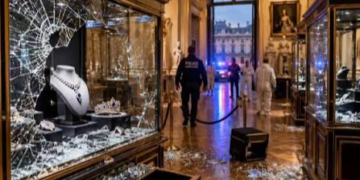













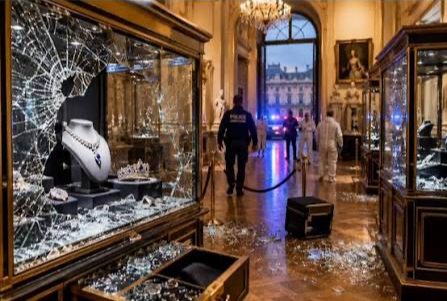
Lalique museum jewelry heist suspects targeted the Musée Lalique in Wingen-sur-Moder this past Sunday. Masked thieves broke into the building around 5:30 a.m. and smashed six display cases. They stole approximately 27 pieces of crystal jewelry valued at €4.5 million. The burglary lasted only a few minutes before the perpetrators escaped. This Lalique museum jewelry heist marks the latest in a series of alarming security breaches at French cultural institutions.
Security failures under scrutiny
Local authorities expressed frustration over the response time of the private security firm. Mayor Christian Dorschner confirmed that all alarms triggered properly during the break-in. However, the security company failed to alert the gendarmes immediately. A janitorial staff member discovered the crime later that morning upon arriving for work. Investigators are currently reviewing CCTV footage to track the gang. They believe the thieves possessed specific knowledge of the layout and jewelry collection.
“Stay connected to every major update — subscribe and follow us on the PhoenixQ website and across our social media platforms.”
A pattern of museum vulnerabilities
This event follows the high-profile October 2025 robbery at the Louvre in Paris. In that raid, thieves stole crown jewels worth over $100 million in less than eight minutes. Security experts now question if French museums remain soft targets for organized criminal networks. Another incident occurred shortly after the Louvre heist at the Maison des Lumières in Langres. Burglars there stole roughly 2,000 gold and silver coins worth €90,000. These repeated thefts highlight significant gaps in protective protocols for national heritage sites.
Artistic value versus material cost
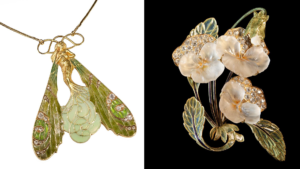
The stolen Lalique pieces primarily consist of crystal rather than traditional precious gemstones. Experts note that these items are notoriously difficult to liquidate or melt down. The value lies in their intricate Art Nouveau and Art Deco craftsmanship rather than raw materials. René Lalique, the legendary glassmaker, designed these unique works between 1898 and 1900. One primary target was the famous “Woman Dragonfly with Open Wings” pendant. The museum staff remains devastated by the loss of these symbolic, irreplaceable treasures.