English






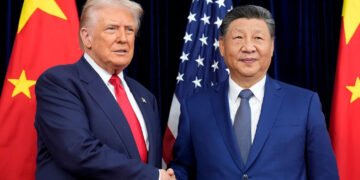
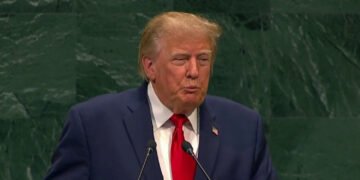
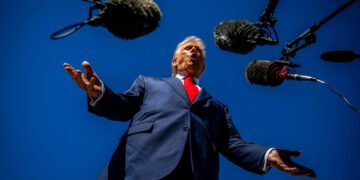



























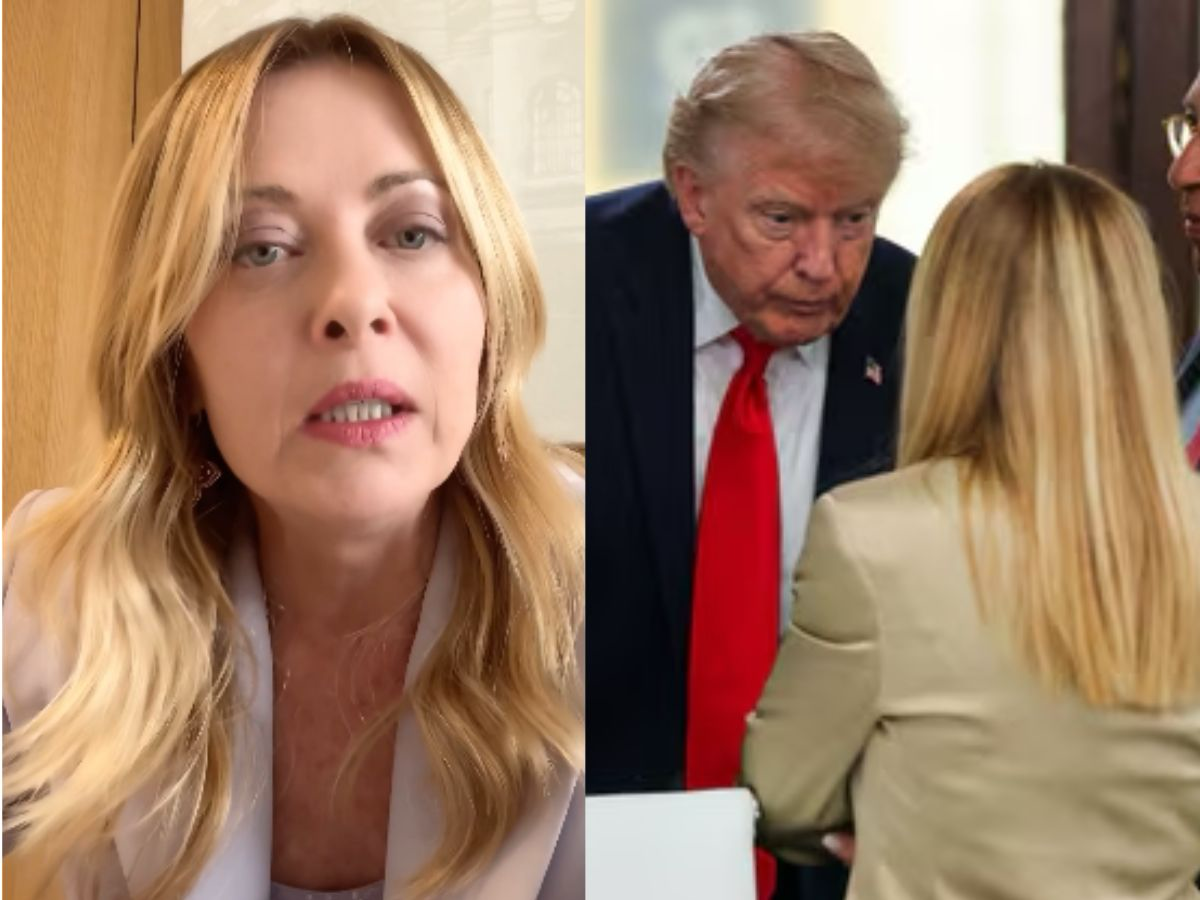
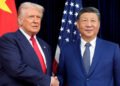
Trump Meloni G7 dispute has triggered a fresh diplomatic clash between Washington and Rome after U.S. President Donald Trump claimed Italian Prime Minister Giorgia Meloni had “begged” him for a photo during the recent G7 summit in France. The remark immediately sparked outrage inside Italy. Soon after, senior Italian officials condemned Trump’s statement and defended Meloni in unusually direct terms. Analysts now say the Trump Meloni G7 dispute could mark a turning point in relations between two long-standing allies.
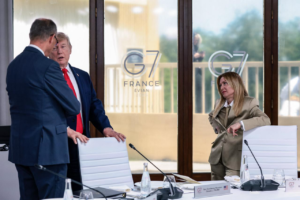
The controversy began after an interview aired Friday on Italy’s La7 television network. During the exchange, Trump shifted attention away from a question about Ukraine and referenced his recent meeting with Meloni at the G7 summit in Evian-les-Bains. According to the broadcaster, Trump said Meloni had asked him for a photo opportunity and claimed she had effectively begged for it. He added that he agreed only because he felt sorry for her. The comments spread quickly across Italian media and immediately drew criticism.
Meloni rejects Trump’s account
Giorgia Meloni reacted within hours and directly challenged Trump’s version of events. In a video message, she described the claim as completely fabricated. She said she felt genuinely shocked by the comments and questioned why the American president would treat close allies in this way. She ended the statement with a blunt response that quickly gained attention across Europe: “Italy and I do not beg.”
Political observers noted this marked Meloni’s strongest public criticism of Trump in recent months. Earlier this year, she had avoided publicly responding after Trump criticized her refusal to support U.S. military action alongside Israel during the conflict involving Iran. Friday’s response, however, suggested her patience had reached its limit.
Italy escalates diplomatic response
The diplomatic reaction quickly expanded beyond the prime minister’s office. Italian Foreign Minister Antonio Tajani cancelled a scheduled visit to the United States and called Trump’s remarks serious and offensive. Tajani said the comments insulted not only Meloni personally but also Italy as a nation. His decision immediately signaled growing frustration inside the Italian government.
Defense Minister Guido Crosetto also entered the dispute. He publicly rejected Trump’s version of events and said Meloni would never beg anyone for a photograph. Crosetto added that political jokes of this kind damage international alliances and undermine trust between Western partners. He argued both the United States and Italy lose when leaders treat diplomacy carelessly.
Relations between Rome and Washington weaken
Relations between Italy and the United States had already faced pressure in recent months. When Trump began his second presidential term, Meloni initially tried to strengthen bilateral ties. She positioned herself as a bridge between Washington and the European Union and even attended Trump’s inauguration as the only European Union leader present.
However, tensions steadily increased over several major issues. Meloni openly criticized the U.S. military campaign involving Iran and called the operation illegal. Italy also strongly supports Ukraine, while Trump has repeatedly challenged Western policy on the war. In addition, new American tariffs and Washington’s continued backing of Israel during the Gaza conflict have deepened political divisions between both governments.
A new fracture inside a historic alliance
Analysts believe this dispute reflects broader changes inside transatlantic politics. What started as a personal comment has now developed into a visible diplomatic confrontation. While both countries remain strategic allies, public trust between their leadership appears increasingly fragile. The Trump Meloni controversy now highlights how quickly personal remarks can escalate into international political conflict.
For now, European leaders continue watching closely. The future of U.S.-Italian relations may depend on whether both governments choose to calm tensions or allow this latest confrontation to grow into a deeper strategic divide.
Related international politics coverage at PhoenixQ World Politics Section