English

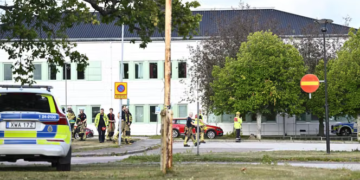

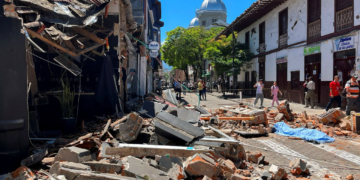
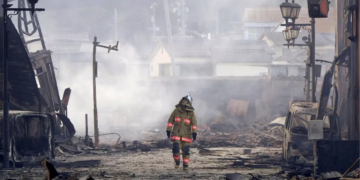








































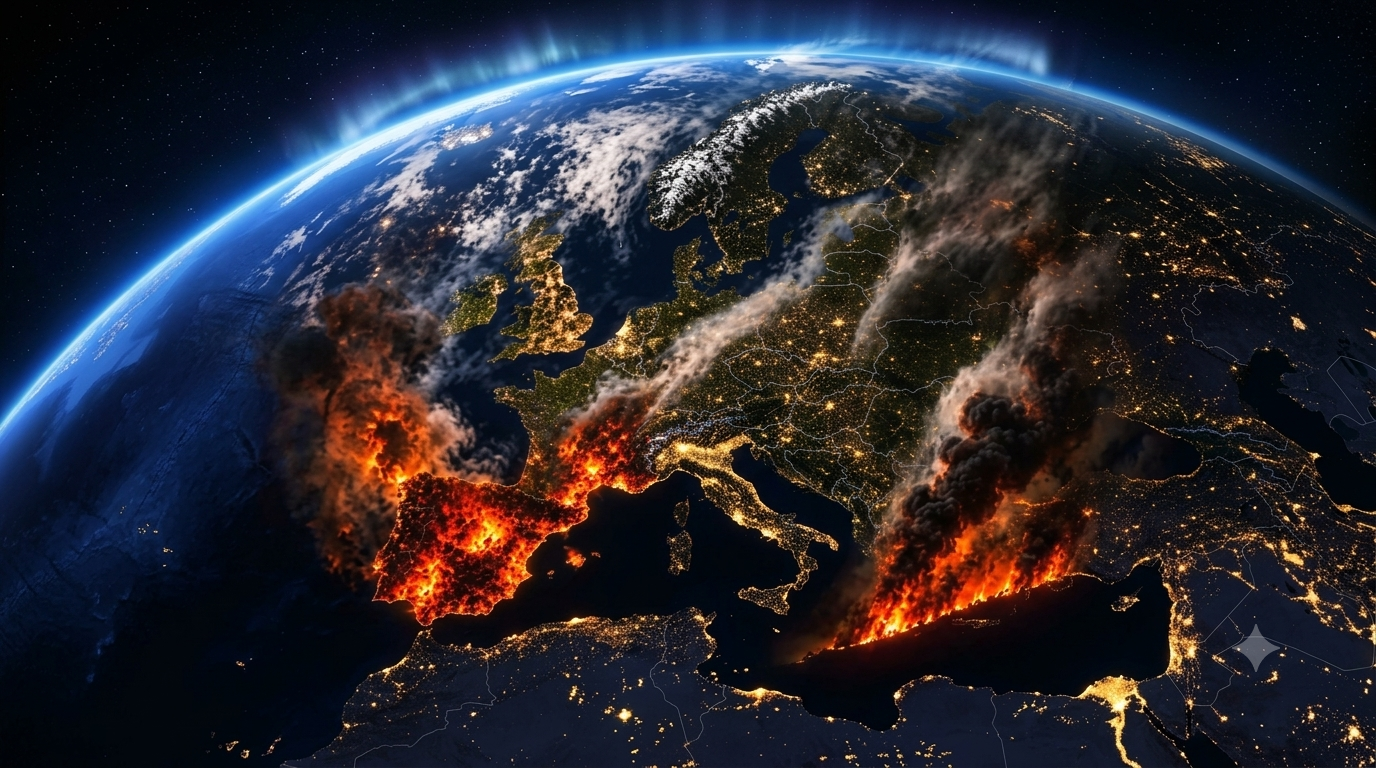
Europe Wildfire Crisis Grows as devastating wildfires continue to spread across southern Europe. The Europe Wildfire Crisis Grows story deepened after massive fires threatened France, killed firefighters in Greece and forced large-scale evacuations in Spain. Meanwhile, extreme heat, drought and powerful winds continued to fuel dangerous conditions across the region.
France battles its largest active wildfire
France’s Gironde region remains the country’s biggest wildfire battlefield. Although firefighters slowed the blaze overnight, rising temperatures and stronger winds threatened fresh flare-ups. Authorities warned that the brief period of calmer weather could end quickly.
The wildfire has already burned an area four times larger than Paris. Investigators believe brush-clearing work near a high-voltage power line may have sparked the fire. However, officials said the work appeared to follow existing safety regulations.
More than 2,200 firefighters and over 20 aircraft continue to fight the flames. In addition, emergency crews from several European countries have joined the operation. Fire commander Matthieu Jomain said crews immediately attack every new smoke plume to stop further spread.
“Stay connected to every major update — subscribe and follow us on the PhoenixQ website and across our social media platforms.”
Residents join emergency efforts
Local communities have also stepped forward to support firefighters. Volunteers flooded dirt roads, filled water tanks and helped protect vulnerable areas from advancing flames. Their efforts strengthened emergency operations as conditions worsened.
Flavien Dubuch traveled with his father from Saint-Émilion to assist local residents. He said communities help one another because they know they may face the same danger in the future.
At the height of the emergency, authorities evacuated about 220,000 people from the Gironde region. Although tens of thousands have returned home, officials insist the wildfire threat remains high.
Heat and drought intensify wildfire danger
Meteorologists identified Wednesday as France’s hottest and driest day of the week. As a result, vegetation dried even further, creating ideal conditions for fast-moving fires. Drought now affects mainland France and Corsica, while soil moisture approaches record lows.
Smoke from the Gironde and Landes fires also reduced air quality across southwestern France. Furthermore, officials ordered another 4,000 people to leave Atlantic coastal tourist areas as a precaution.
Authorities also confirmed that the Gironde wildfire generated France’s first recorded pyrocumulonimbus cloud. The fire-created storm produced lightning, violent winds and additional fires beyond the main fire line.
Greece mourns fallen firefighters
The wildfire emergency also turned deadly in Greece. Two firefighters lost their lives while battling flames in Crete. A third firefighter later died after responding to a separate wildfire in the Peloponnese.
Emergency crews continue to battle powerful winds across Greece. Aircraft and helicopters support ground teams as they protect homes, forests and critical infrastructure.
Meanwhile, Spain has started lifting some evacuation orders after firefighters gained control around Madrid and Ávila. Nevertheless, about 10,000 residents remain displaced in Castellón, where another wildfire continues to burn out of control.
Europe faces a growing climate challenge
The combined wildfire emergency forced roughly 330,000 people from homes and holiday destinations across France and Spain. Although many residents have returned, authorities continue monitoring rapidly changing conditions.
France has already lost more than 1,160 square kilometres to wildfires this year. Climate experts also warn that Europe remains the world’s fastest-warming continent. Consequently, longer heatwaves, prolonged drought and stronger winds continue to increase wildfire risks across the region.