English














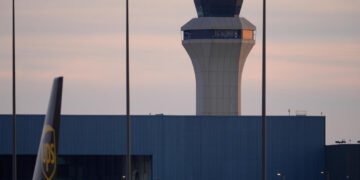
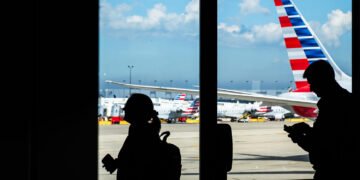





























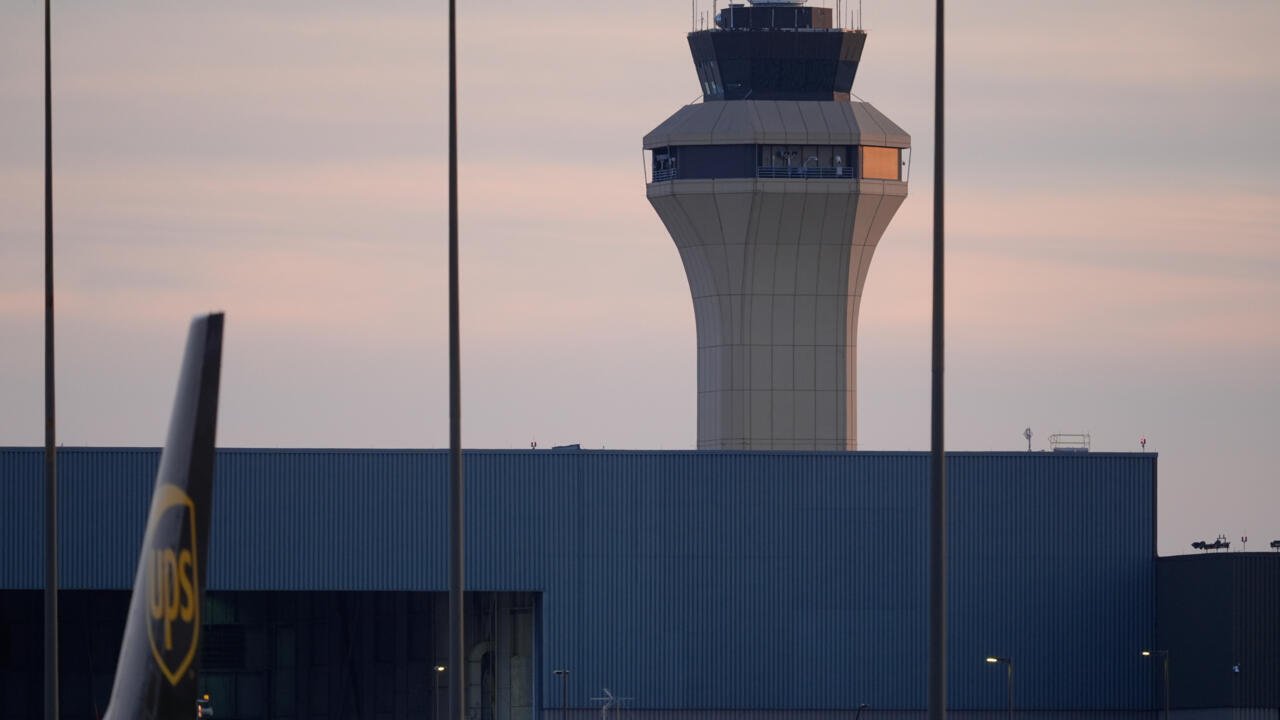
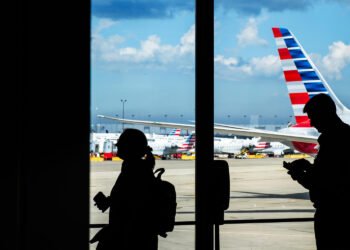
A nationwide ground stop that halted air travel across the United States on Friday has been lifted, the Federal Aviation Administration announced. However, airlines warned that normal operations would not resume immediately. Hundreds of planes and crews were out of position, making a swift recovery difficult after the FAA ground stop disrupted flights for millions of travelers.
What Caused the Ground Stop
The FAA cited “extraordinary circumstances” linked to communications failures at regional air traffic control centers. Homeland Security Secretary Markwayne Mullin told reporters at the White House that new technology introduced into an aging air traffic control system overwhelmed it. He described the systems as “overloaded” and “outdated.”
Stay connected to every major update — subscribe and follow us on the PhoenixQ website and across our social media platforms.
Mullin said investigators found no evidence of a cyberattack or rogue artificial intelligence incident. “There’s nothing completely certain right now. It doesn’t appear that way,” he said. He added that there were no “footprints” indicating an attack and that the failure appeared “mechanically driven.” Officials were still working to identify the exact cause.
Investigators also looked at a possible link to the FAA’s recent rollout of a new AI system designed to identify problems and reroute aircraft. However, that system operates from a single location near Washington, D.C., and only sends recommendations to air traffic control centers.
Scale of the Disruption
At least 827 flights were diverted as a result of the ground stop. By 7:05 p.m. EST, aviation analytics firm Cirium reported that 670 flights had returned to their departure airports, while 157 others were redirected to different airports. Major diversion points included Washington Dulles, Los Angeles International, Cincinnati/Northern Kentucky International, and Nashville International airports.
More than 11,000 flights carrying over 1.5 million passengers were scheduled to depart after 4 p.m. EST, raising the prospect of further cancellations and diversions. International flights were handled case by case, with some departing Friday evening.
The disruption also affected sports teams. NBA, NHL, and college teams were stranded trying to reach their destinations. NFL teams remained uncertain whether the situation would resolve in time for weekend travel. Cargo operations were also hit. FedEx, the world’s largest cargo airline, said it was ready to activate contingency plans to limit disruptions.
Passengers Left Stranded and Frustrated
At Chicago O’Hare Airport, travelers discovered the ground stop when departure boards showed widespread delays. Amber McQuilkin, 27, sat waiting on a bench, worried she would miss a trip to New York for the League of Legends world finals. “There’s not really any information being passed to me,” said the Seattle software engineer, who had taken a week of vacation for the trip.
Austin Curtis and his wife were rerouted mid-journey from South Bend, Indiana, to Denver when they were told to leave their plane at O’Hare. “We did see them taking luggage off our plane and others, so we’re assuming it’s going to be a pretty substantial delay,” Curtis said.
Aging Infrastructure Under Pressure
This ground stop was the first since January 2023 and only the second since the September 11, 2001 attacks. Congress approved $12.5 billion last year to modernize air traffic control infrastructure. Transportation Secretary Sean Duffy has said an additional $30 billion will be needed to complete the overhaul. The White House has begun lobbying Congress to approve the funding.
Aviation safety expert and former United Airlines pilot Steve Arroyo compared the incident to a regional outage in September that disrupted hundreds of Northeast flights. “If you don’t have that ability, you’ve got to stop airplanes on the ground,” Arroyo said, “and not put them in the air where you’re going to risk not being able to communicate with them.”