English













































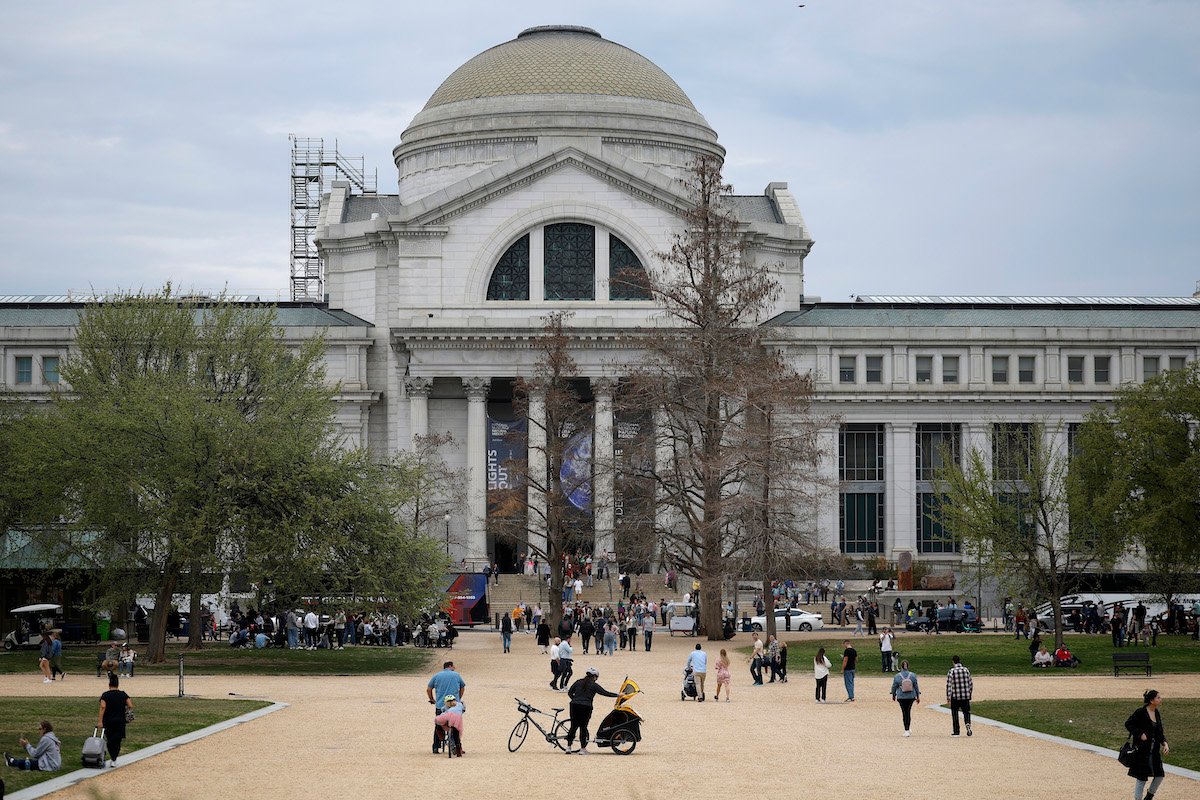
Most American museum visitors are uncomfortable with artificial intelligence playing a role in exhibitions and marketing, according to a major new survey. The findings reflect a broader public unease about AI that continues to grow across many sectors of society.
Strong Resistance to AI in Museum Content
The American Alliance of Museums 2026 survey found that only 9 percent of respondents accepted AI use in museum exhibitions. Meanwhile, 19 percent were comfortable with AI for brainstorming, but not for writing exhibition texts. Another 29 percent had no objection to AI drafting routine emails sent by museum staff.
Stay connected to every major update — subscribe and follow us on the PhoenixQ website and across our social media platforms.
However, the largest group took the strongest position. Forty-three percent said they expected humans to develop all museum content, including exhibitions, emails, and everything else.
Despite this public wariness, AI is not yet widely used in exhibition production. A recent New York Times report revealed that a small number of upcoming shows will incorporate the technology, though not always in the form of written wall texts. For example, the Smithsonian’s National Museum of Asian Art plans to use AI in a virtual reality recreation of James McNeill Whistler’s Peacock Room. The project forms part of a Tate-organized retrospective for the artist.
Attendance Patterns Shift After Pandemic
The AAM survey also examined museum attendance, which has been a persistent concern since the pandemic began in 2020. Many institutions have struggled to recover their visitor numbers. However, the survey highlighted a new and specific challenge: repeat visitation.
“In the six years since the pandemic began, this repeat visitation has leveled off into a lower ‘new normal’ that seems to reflect enduring changes in behavior,” the survey stated. “It’s not whether people are visiting museums that’s causing attendance shortfalls; it’s how often.”
Visitor Demographics Are Shifting
On a more positive note, the survey pointed to meaningful changes in who visits museums. Previously, museum audiences skewed whiter, older, and more educated than the general American population. The new data suggests that trend is changing.
According to the survey, only 47 percent of museum visitors now hold a college degree. Only 35 percent are white non-Hispanic or non-Latine, and only 26 percent are aged 60 or older. In fact, white respondents are the most likely to report never visiting museums at all. Asians and Asian Americans, by contrast, are the most likely to report visiting. Adults over 60 are the least likely of any age group to have visited in the past year, while parents or guardians of minor children are the most likely.
Public Supports Inclusive Museums
The survey also found strong public support for keeping museums inclusive. This comes as the current Trump administration pursues policies that could affect that mission.
“While younger people and liberals show the most inclusive attitudes, the majority of all age segments and the majority of conservatives still fall on the side of inclusion,” the AAM survey noted. The findings suggest that support for inclusive museums cuts across generational and political lines.