English















































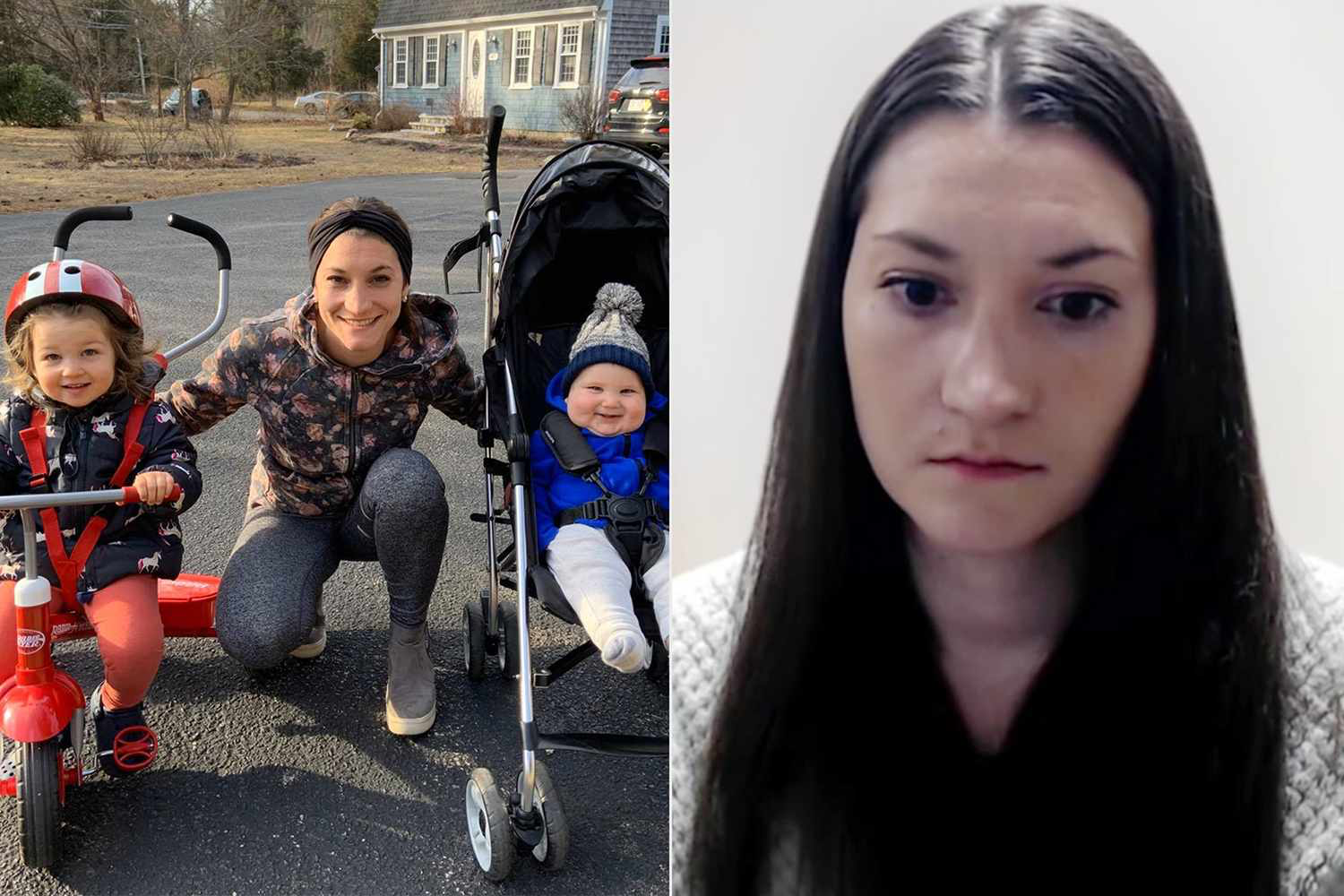
Trial centers on mental illness and criminal responsibility
The Postpartum Psychosis Murder Trial opened in Massachusetts as jurors prepared to examine one of the state’s most closely watched criminal cases. Lindsay Clancy, a former labor and delivery nurse, faces charges in the deaths of her three young children. However, her legal team argues that postpartum psychosis robbed her of criminal responsibility. Meanwhile, prosecutors insist she carefully planned the killings and understood her actions.

Opening statements began Monday in Plymouth, where both sides outlined sharply different accounts. The trial will likely continue for several weeks and feature testimony from psychiatric experts, investigators, and medical professionals.
Prosecutors allege planning and intent
Prosecutors contend Clancy deliberately sent her husband, Patrick Clancy, out to run errands before carrying out the killings on Jan. 24, 2023. They argue that those actions demonstrate planning rather than confusion or delusion.
Authorities say Clancy killed her children, Cora, 5, Dawson, 3, and Callan, 8 months old, before attempting to end her own life. She survived after jumping from a second-story window but suffered paralysis from the waist down. If the jury convicts her of murder, she faces life in prison without parole.
“Follow major developments with fast and accurate coverage from PhoenixQ.”

Defense points to postpartum psychosis
The defense presents a dramatically different explanation. Attorney Kevin Reddington argues Clancy suffered from postpartum psychosis, a rare psychiatric illness that can develop after childbirth.
According to the defense, Clancy experienced severe mental deterioration after the birth of her youngest child. She reportedly battled insomnia, manic episodes, suicidal thoughts, and worsening psychiatric symptoms. Doctors prescribed several medications, and she also received inpatient psychiatric treatment. Nevertheless, her condition allegedly continued to deteriorate.
Her lawyer says Clancy later reported hearing voices telling her to kill her children before taking her own life. The defense argues those symptoms reflected profound psychosis rather than criminal intent.
Experts explain the rare disorder
Medical experts describe postpartum psychosis as a rare but severe psychiatric emergency. The illness affects approximately one to two women per 1,000 births. Symptoms often include hallucinations, delusions, paranoia, rapid mood changes, and distorted thinking.
Most women with postpartum psychosis never harm their children. However, psychiatrists say untreated psychosis can create dangerous false beliefs. Some mothers mistakenly believe they are protecting their children from imagined threats.
Nicole Cirino, director of reproductive psychiatry at Baylor College of Medicine, has testified in similar cases. She explained that mothers suffering severe psychosis may believe they are saving their children rather than harming them.
Case echoes previous landmark trials
Legal experts have compared Clancy’s case with several high-profile infanticide cases, including Andrea Yates in Texas. Yates initially received a murder conviction after drowning her five children. However, a later trial found her not guilty by reason of insanity because of postpartum psychosis.
Another Texas mother, Dena Schlosser, also received a verdict of not guilty by reason of insanity after experts documented severe mental illness.
Clancy and her former husband have also filed lawsuits against her medical providers. They claim clinicians failed to properly diagnose and treat her psychiatric condition before the tragedy.
The jury must now decide whether Clancy acted with criminal intent or whether severe postpartum psychosis prevented her from understanding the nature of her actions. That decision could determine whether she spends her life in prison or receives long-term treatment in a secure psychiatric hospital.