English











































For nearly a century, the Academy Awards have never nominated a documentary for Best Picture. That long-standing exclusion may finally be challenged this awards season, and the question it raises is both simple and uncomfortable: why has it taken this long?
The documentary “You Can See Everything,” directed by Nathan Fielder and Lance Oppenheim, is generating serious Oscar buzz. The film takes a nonfiction look at Theranos founder Elizabeth Holmes. Strong critical acclaim and notable box office performance have placed it firmly in the Best Picture conversation. If it earns a nomination, it will make history. However, it will also shine a harsh light on decades of overlooked nonfiction filmmaking.
Stay connected to every major update — subscribe and follow us on the PhoenixQ website and across our social media platforms.
When the Academy expanded the Best Picture category from five to ten nominees after “The Dark Knight” missed a nod in 2008, the official announcement specifically mentioned the possibility of a documentary earning recognition. That possibility went unrealized for years. Meanwhile, other films from this current season, including “Once Upon a Time in Harlem” and “Naza,” also merit serious consideration.
To mark this potential milestone, Variety has identified 20 documentaries from the past four decades that deserved a Best Picture nomination. These films span a wide range of subjects and styles. They include a teenager’s pursuit of an NBA career, a daring high-wire walk between the World Trade Center towers, a confrontation with Indonesia’s history of mass killings and a real-time account of Edward Snowden’s surveillance revelations. Some were overlooked by the Academy at large. Others were not even nominated by the Documentary Branch itself.
Honorable mentions in the list include “An Inconvenient Truth” (2006), “Senna” (2010), “The Act of Killing” (2012) and “Apollo 11” (2019).
Films That Redefined Documentary Storytelling
Errol Morris’s “The Thin Blue Line” (1988) stands as perhaps the most consequential omission in documentary Oscar history. Morris investigated the 1976 murder of a Dallas police officer and, in doing so, helped free an innocent man. Randall Dale Adams left prison within a year of the film’s release. The documentary’s stylized reenactments, Philip Glass score and noir-influenced structure fundamentally changed how nonfiction films could be made. Despite this, the Documentary Branch passed on it entirely.
Two years later, Jennie Livingston’s “Paris Is Burning” (1990) documented Harlem’s ballroom culture of the late 1980s. Black and Latino queer performers built communities, families and an entire language of survival against poverty, racism and the AIDS crisis. The film won the Grand Jury Prize at Sundance. However, the Academy’s Documentary Branch snubbed it at the 1992 ceremony. Decades later, its influence is visible in “Pose,” “RuPaul’s Drag Race” and mainstream popular culture.
Steve James’s “Hoop Dreams” (1994) remains one of the most painful omissions in Oscar history. Over five years, James followed Chicago teenagers William Gates and Arthur Agee as they chased basketball dreams and sought an escape from poverty. The result is a nearly three-hour American epic about race, class and family. Critics celebrated it as one of the year’s best films regardless of genre. Yet the Documentary Branch failed to nominate it, prompting widespread outrage and eventually contributing to changes in the documentary nomination process. Remarkably, the film did receive an Oscar nomination for film editing. Best Picture, however, was never a realistic possibility under the rules of the time.
Errol Morris set a new standard. Steve James expanded what documentary storytelling could achieve. Both were ignored by the very institution that should have celebrated them.
Critical Darlings Overlooked by the Academy
Michael Moore’s “Bowling for Columbine” (2002) used the Columbine High School massacre as a starting point for a broader examination of America’s relationship with guns, violence and fear. The film mixed interviews, archival footage and Moore’s confrontational on-screen presence into a provocative argument. The Writers Guild named it the first documentary to win its original screenplay prize. The Academy followed with the documentary Oscar, where Moore’s acceptance speech became the most discussed moment of the ceremony. Even so, Best Picture was never in reach.
Werner Herzog’s “Grizzly Man” (2005) began with footage shot by Timothy Treadwell, a self-appointed protector of Alaskan grizzlies who was ultimately killed by one of the animals he sought to defend. Herzog’s narration transforms the material into a philosophical inquiry without losing sight of Treadwell as a human being. The film is funny, unsettling and devastating, sometimes within a single sequence. Despite wide critical admiration and strong audiences, the Documentary Branch passed on it.
James Marsh’s “Man on Wire” (2008) reconstructed Philippe Petit’s 1974 high-wire walk between the World Trade Center towers. Through interviews, archival footage and dramatic recreations, Marsh built the film with the precision of a heist thriller. It won the documentary Oscar at the 2009 ceremony and demonstrated clearly that nonfiction filmmaking could deliver the same pleasures as any narrative feature.
Banksy’s “Exit Through the Gift Shop” (2010) made uncertainty central to the viewing experience. The film blurred the line between documenting an art-world spectacle and manufacturing one. Banksy never resolved the question, and that ambiguity gave the film lasting power. It earned a documentary feature nomination but lost to “Inside Job.” Furthermore, it challenged the assumption that documentaries must maintain a clear separation between observer and subject.
Malik Bendjelloul’s “Searching for Sugar Man” (2012) followed the story of Rodriguez, a Detroit musician whose albums disappeared in America but became cultural anthems in apartheid-era South Africa. Bendjelloul constructed the mystery like a detective story. The emotional payoff felt almost too extraordinary to be true. Oscar voters awarded it the documentary prize in 2013. Yet no one pushed for a Best Picture campaign, despite the film’s proven ability to hold broad audiences. Bendjelloul died in 2014 at the age of 36. The film he left behind endures.
Powerful Stories That Deserved the Biggest Stage
Kurt Kuenne began “Dear Zachary: A Letter to a Son About His Father” (2008) as a tribute for the infant son of his murdered best friend, Andrew Bagby. What starts as a collection of home videos and memories becomes a devastating account of grief, family and a legal system that fails those seeking justice. Kuenne is not a detached observer. As events unfold, the film’s purpose shifts entirely, and its structure builds toward a moment no viewer can anticipate. The Documentary Branch passed on it. It remains one of the clearest arguments for why documentaries deserve consideration among the year’s best films.
Ava DuVernay’s “13th” (2016) examined the link between the 13th Amendment, which abolished slavery, and the rise of mass incarceration in the United States. DuVernay traced how the amendment’s language became a framework for systems of control. The film opened the 2016 New York Film Festival and earned a documentary feature nomination, ultimately losing to “O.J.: Made in America.” A decade later, DuVernay returned to the festival with “14th,” the closing night film of the 2026 edition, which Netflix will also release.
Raoul Peck’s “I Am Not Your Negro” (2016) drew on James Baldwin’s unfinished manuscript about Medgar Evers, Malcolm X and Martin Luther King Jr. Samuel L. Jackson narrated Baldwin’s words. The film’s power came from the collision between Baldwin’s observations and a country still unwilling to confront its past. It earned a documentary feature nomination and remains as timely today as it was on release.
Laura Poitras’s “Citizenfour” (2014) placed viewers inside a Hong Kong hotel room as Edward Snowden met with journalists and began disclosing classified information about government surveillance programs. Poitras allowed conversations to develop in real time. The film built suspense simply by letting history happen on screen. It won the documentary Oscar at the 2015 ceremony. However, no Best Picture momentum followed.
Joshua Oppenheimer’s “The Look of Silence” (2014) approached Indonesia’s 1965–66 mass killings through the perspective of an optometrist whose brother died during the violence. Oppenheimer resisted the conventions of historical exposé filmmaking. Instead, he allowed silences and glances to communicate what his subjects refused to say aloud. The film earned a documentary feature nomination but lost to “Amy.”
Recent Films That Fell Just Short
Jonas Poher Rasmussen’s “Flee” (2021) used animation to tell the story of Amin, an Afghan refugee who revealed the full truth of his childhood and his journey to safety for the first time. The animated format allowed Amin to revisit traumatic memories while protecting his identity. It created a visual language for experiences that would otherwise be impossible to reconstruct. “Flee” made Oscar history as the first film nominated simultaneously for documentary feature, international feature and animated feature. It lost in all three categories. Best Picture remained out of reach entirely.
Morgan Neville’s “Won’t You Be My Neighbor?” (2018) became the highest-grossing biographical documentary of its time. Rather than simply celebrate Fred Rogers, Neville examined the radical patience behind “Mister Rogers’ Neighborhood” and Rogers’s quiet conviction that children deserved to be taken seriously. The film reached the documentary shortlist but missed a nomination at the 2019 ceremony. Few films that year moved audiences so deeply, in any category.
Tim Wardle’s “Three Identical Strangers” (2018) opened as a feel-good story about triplets separated at birth and gradually revealed a disturbing secret psychological study that used infants as test subjects. Wardle controlled each revelation with the discipline of a thriller. Like “Won’t You Be My Neighbor?,” it reached the shortlist and then received no nomination. Its story of nature, nurture and institutional betrayal deserved a far wider audience.
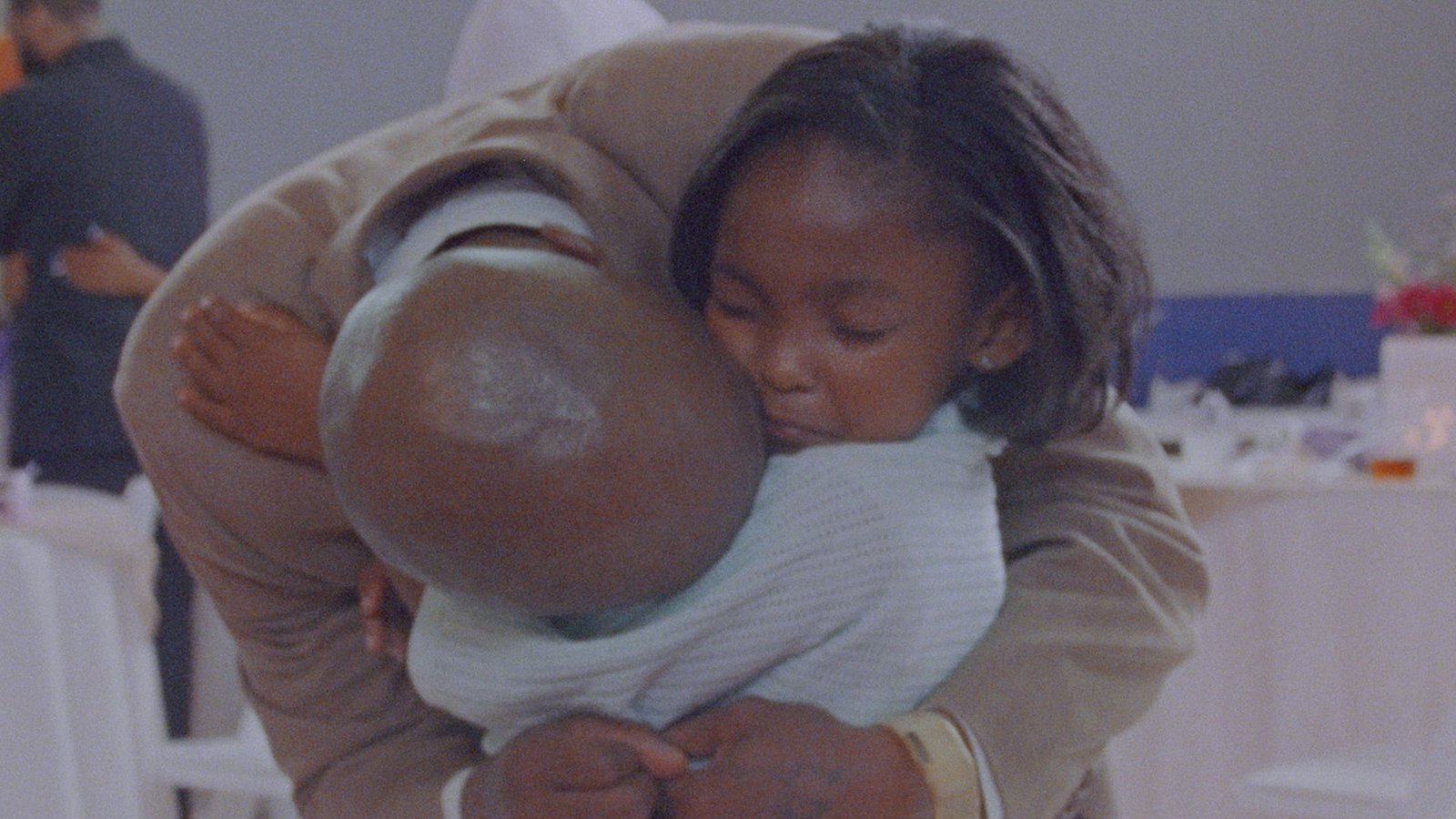
Angela Patton and Natalie Rae’s “Daughters” (2024) followed four girls preparing for a father-daughter dance inside a Washington, D.C., prison as part of a fatherhood program Patton helped create. The filmmakers focused on the girls’ anticipation, longing and anger. That choice carried the film toward a dance sequence of almost unbearable tenderness. “Daughters” won both the Audience Award and the Festival Favorite prize at Sundance. It reached the documentary shortlist but missed a nomination at the 2025 ceremony. Few films that year said more about love under impossible circumstances.
Sarah Polley’s “Stories We Tell” (2012) began as an investigation into her own family history and became a deeply layered exploration of memory and personal truth. Polley interviewed relatives and friends and reconstructed family moments with remarkable structural control. The film was overlooked for a documentary Oscar nomination, let alone Best Picture. That omission is particularly striking given Polley’s willingness to question the very conventions on which documentary filmmaking depends.
Kirsten Johnson’s “Cameraperson” (2016) assembled fragments from her decades of work as a documentary cinematographer into a moving essay about the ethics of looking and the emotional cost of bearing witness. The Documentary Branch failed to nominate it, a striking omission for a work so widely admired. Johnson’s 2020 follow-up, “Dick Johnson Is Dead,” a playful and heartbreaking reckoning with her father’s decline, could equally have claimed a place on this list.
Finally, Ezra Edelman’s “O.J.: Made in America” (2016) remains a subject of debate over its classification as a documentary feature. At nearly eight hours, it offers an expansive examination of race, celebrity, policing and the American justice system, using O.J. Simpson’s life as a lens for understanding the country’s deepest social divisions. Its recognition also prompted renewed scrutiny of how the Academy handles multipart nonfiction projects, contributing to subsequent eligibility changes. Whatever the classification debate, the filmmaking is extraordinary. Its scope exceeds that of most narrative features.
If “You Can See Everything” earns a Best Picture nomination this season, it will have earned its place in history. However, as this list makes clear, it should not have been the first to get there.