English
















































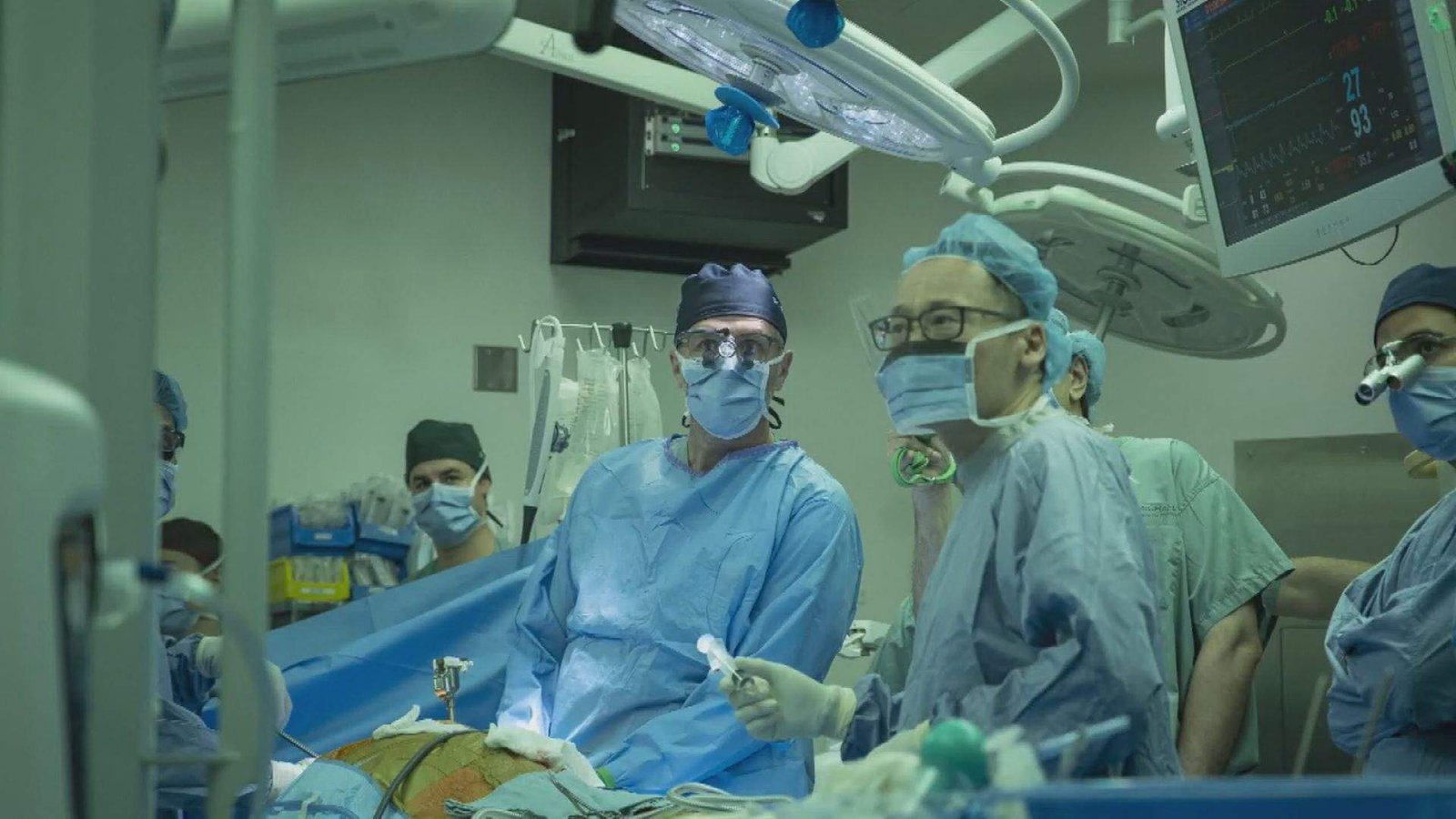
A pioneering Canadian medical procedure is offering new hope to patients living with atrial fibrillation, a common and potentially dangerous heart rhythm disorder. Doctors at St. Michael’s Hospital in Toronto have developed a two-stage robotic technique that combines minimally invasive surgery with catheter ablation. The approach is the first of its kind in Canada and could significantly improve outcomes for patients who have not responded to standard treatments.
Understanding Atrial Fibrillation
Atrial fibrillation, commonly known as AFib, affects one to two per cent of the general population. It is the most common form of arrhythmia and originates in the upper chambers of the heart. Symptoms include shortness of breath and persistent fatigue. However, the condition can also lead to serious complications such as stroke or heart failure.
Stay connected to every major update — subscribe and follow us on the PhoenixQ website and across our social media platforms.
For Edmonton resident Jon Davies, fatigue was the first warning sign. He had previously enjoyed mountain hiking and playing squash regularly. As he entered his early 50s, those activities became increasingly difficult. “I just figured it was old age and having a desk job and not enough exercise maybe,” Davies told Global News. His wife, Nora, also noticed he was sleeping far more than usual. Doctors eventually diagnosed him with atrial fibrillation.
Davies received a difficult prognosis. His heart had enlarged to the point where surgical treatment was no longer considered viable. Doctors told him he would need to remain on blood thinners indefinitely. He sought a second opinion, but received the same result. Until this year, he said he had simply accepted the situation as his “status quo.”
How Standard AFib Treatment Works
Doctors typically treat AFib with medication or a procedure called catheter ablation. Dr. Paul Angaran, cardiac arrhythmia director at St. Michael’s Hospital, explained the standard approach. “Patients are usually sedated or put to sleep entirely and we put little tubes in the groins and we pass wires into the heart, cross over to the left side of the heart and what we try and do is kill the tissue around the pulmonary veins,” he said.
The procedure creates small scars inside the heart. During AFib, faulty electrical signals cause the heart to beat irregularly. Those scars block the faulty signals and prevent them from spreading. Dr. Gianluigi Bisleri, director of minimally invasive and robotic cardiac surgery at St. Michael’s Hospital, described the energy sources used. “Typically we burn, so we use energy sources that overheat the tissue and sometimes we can use energy sources that freeze the tissue,” he said. “But either way, we create these scars that become permanent and stop the irregular heart rate.”
However, Dr. Angaran noted that standard catheter ablation does not work for every patient. Some cases, including Davies’s, fall outside the range where conventional treatment delivers reliable results.
A New Two-Stage Robotic Approach
Angaran and Bisleri collaborated to develop an alternative for patients who need more than standard ablation can offer. Their technique combines robotic minimally invasive surgery with catheter ablation in two separate stages. The first stage targets the heart from the outside using robotic tools. The second stage approaches from the inside using a catheter.
Bisleri explained the advantage of combining both methods. “It allows us to not only use the robotic technologies which give us more dexterity, more ability to reach and see the heart, but also to treat broader areas of the heart with the ablation,” he said. This combination of robotic surgery and catheter technology in a single treatment pathway is a Canadian first, according to Bisleri.
Patients must receive a referral to Bisleri and Angaran to access the procedure. Bisleri told Global News that while the referral process itself is straightforward, awareness of the technique remains limited. Between the two stages, patients wait several weeks or months. Doctors want the external scars to heal fully before proceeding with the internal catheter procedure.
Davies Among the First Patients Treated
Davies discovered the procedure through his own online research. He became one of the first patients to undergo the new technique. In September, he completed the first stage — the robotic surgery. He expects to return to Toronto within the coming weeks for the catheter ablation phase.
Reflecting on his experience, Davies expressed relief at having a meaningful option. “It’s nice to be able to potentially take that diagnosis and direct it in a much more human way, in a way that I appreciate much more than the alternative,” he said.
For patients with long-standing persistent atrial fibrillation, the results could be significant. Dr. Angaran told Global News that the long-term success rate using this combined approach could reach as high as 70 to 80 per cent. That figure represents a substantial improvement over what many patients in this category currently experience with existing treatments.