English














































“Editor-in-Chief: SHAPOUR-T”
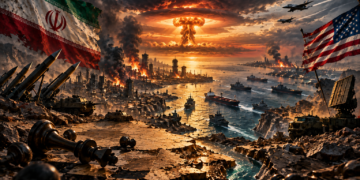
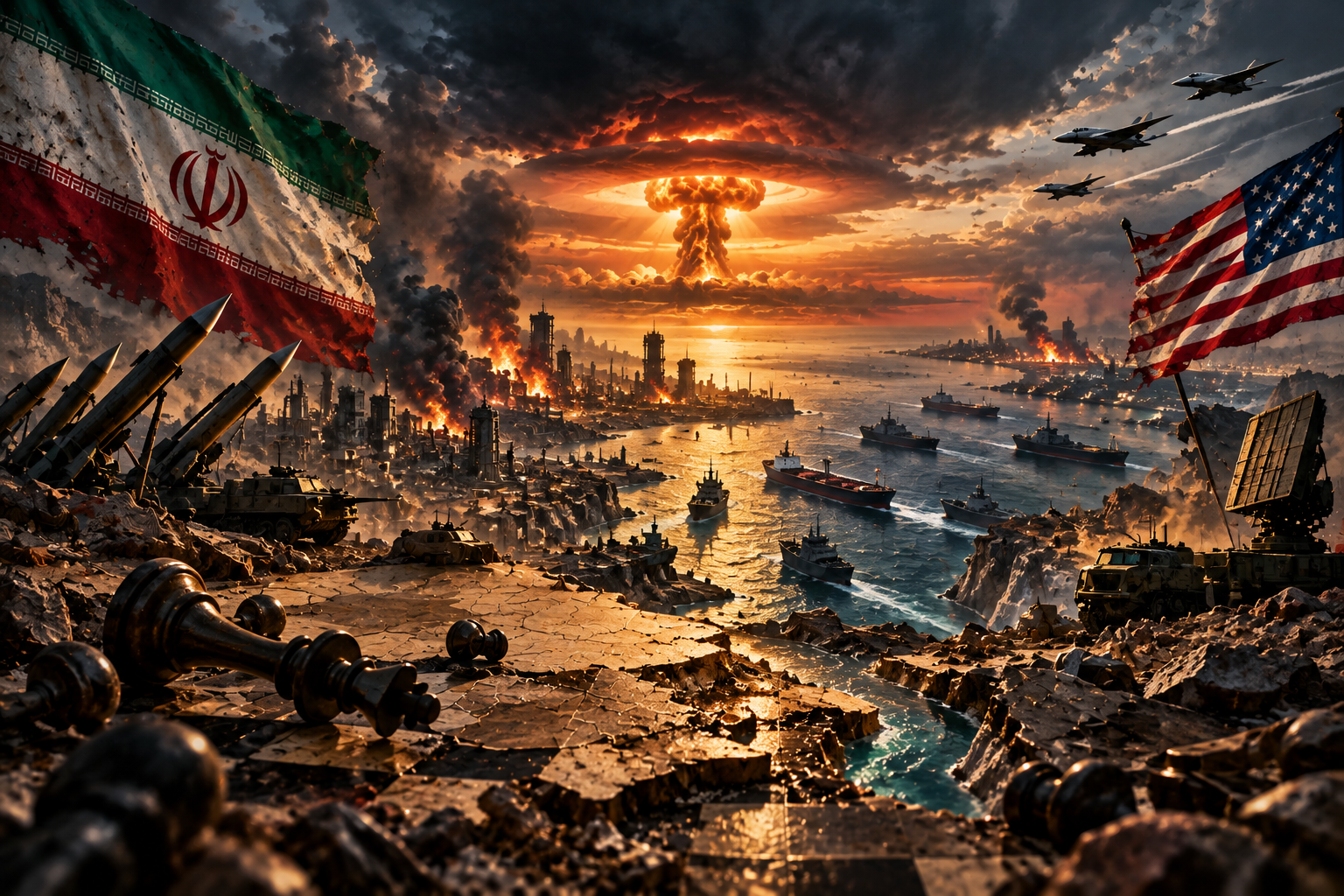
The Iran-Israel war has entered a complex and sensitive phase. Tehran continues to speak of resistance, but the pattern of confrontation has changed. Meanwhile, Washington and Israel are reassessing their military and political calculations. Iran’s ruling establishment also faces difficult choices between continuing confrontation and preserving its political structure.
The central question is whether fewer direct attacks signal progress toward an agreement. Alternatively, are the opposing sides preparing for a more dangerous phase? The possibility of a wider regional war remains a serious concern. Moreover, escalating nuclear tensions could make the crisis even more unpredictable.
Iran’s Strategy: From Direct Attacks to Proxy Warfare
The apparent decline in direct Iranian attacks against Israel raises important questions. Has Tehran lost significant operational capabilities? Or does its leadership believe that direct confrontation now carries greater risks than benefits?
Military strikes against Iranian infrastructure may have weakened operational capabilities and changed Tehran’s calculations. Furthermore, Iranian leaders may seek to avoid another large-scale Israeli response.
However, Iran’s network of allied armed groups remains influential across the region. The Houthis in Yemen and Hezbollah in Lebanon are among its most important partners. Nevertheless, their operations cannot automatically be attributed to direct Iranian orders without independent evidence.
Continued fighting in Yemen and threats against energy infrastructure demonstrate the danger of regional escalation. Therefore, fewer direct missile attacks do not necessarily mean the confrontation is ending.
Europe: Security Threats Beyond the Middle East
European governments have also expressed concerns about threats allegedly linked to Iran. British officials have accused Tehran of connections to a suspected plot involving RAF Fairford.
Iran denies these allegations. However, growing security concerns could further damage relations between Tehran and European governments.
If investigators establish links between Iranian-backed networks and such operations, the confrontation could expand beyond the Middle East. Consequently, Iran could face additional diplomatic pressure and security measures.
Why Has Israel Apparently Reduced Operations Against Iranian Leaders?
Israel’s apparent shift in operational priorities raises another important question. Has targeting senior Iranian officials become less important to Israeli decision-makers?
Public information does not reveal the details of Israel’s classified security plans. However, Israeli authorities may now prioritize weakening military infrastructure and preventing missile capabilities from recovering.
Moreover, removing political leaders does not necessarily dismantle an entire governing system. Military and security institutions can survive leadership changes and continue operating.
Therefore, a possible reduction in operations against senior officials does not establish the existence of a secret agreement.
Islamabad Negotiations: Peace or a Deal to Preserve the Regime?
Negotiations in Islamabad have become an important part of diplomatic efforts. Pakistan has played a mediating role in attempts to reduce tensions between Tehran and Washington.
However, a fundamental question remains. Are these negotiations designed to end the war, or does regime preservation influence the calculations?
One political hypothesis suggests Tehran could offer nuclear and security concessions in exchange for reduced military pressure. Israel might also prefer fewer immediate threats over a prolonged and costly confrontation.
Nevertheless, no credible public evidence establishes a secret Iran-Israel agreement to protect the Islamic Republic’s leadership.
Ghalibaf, Mojtaba Khamenei, and the Possibility of a Political Bitter Pill
Mohammad Bagher Ghalibaf’s involvement in negotiations has drawn attention to Iran’s internal decision-making structure. Meanwhile, questions surrounding Mojtaba Khamenei’s position and authority remain politically significant.
Some speculation portrays Ghalibaf as a possible figure who could announce a major political retreat. However, reliable evidence does not establish that he has received such a mission.
The expression “bitter pill” recalls Ayatollah Ruhollah Khomeini’s acceptance of United Nations Security Council Resolution 598 in 1988. That decision demonstrated how Iran’s leadership could abandon earlier positions to preserve its governing structure.
A similarly costly compromise may now be under consideration. However, its timing remains unknown. Iranian officials could also introduce concessions gradually without publicly acknowledging defeat.
Washington and the Strait of Hormuz: Economic Pressure Instead of Wider War
Washington retains significant military and economic tools against Iran. However, launching another major operation could produce unpredictable consequences.
A wider conflict could disrupt energy markets and threaten American forces. Furthermore, domestic political considerations may influence Washington’s decisions.
Meanwhile, the Strait of Hormuz has become a central source of strategic leverage. The United States seeks to protect maritime trade, while Tehran uses its geographical position to increase pressure.
The crisis also carries strategic consequences for China and Russia. However, American naval pressure does not mean Washington controls the entire global energy market.
Therefore, delaying a broader military offensive does not necessarily indicate American retreat. Washington may continue combining economic pressure, negotiations, and military readiness.
Is the Middle East Moving Toward a Wider, Possibly Nuclear War?
The greatest danger may come from expanding conflicts involving armed groups aligned with Tehran. A decline in direct Iranian attacks does not automatically signal regional stability.
A major strike against energy infrastructure or military installations could trigger retaliatory attacks. Consequently, additional countries could become involved in the conflict.
However, nuclear tensions represent an even more serious concern. Disputes over Iran’s nuclear program and international monitoring remain unresolved.
It is essential to distinguish attacks against nuclear facilities from the actual use of nuclear weapons. No credible evidence establishes that nuclear warfare is imminent. Nevertheless, escalating confrontation increases the danger of miscalculation.
China and Russia also maintain significant strategic interests in the region. Therefore, a wider war could complicate competition among major global powers.
The central question is whether the opposing sides can still contain the crisis. Alternatively, could the relative silence of missiles simply provide time for military repositioning?
Conclusion: The End of War or the Beginning of a More Dangerous Phase?
The Iran-Israel war now extends far beyond missiles and drones. Diplomatic negotiations, proxy networks, and global energy routes are also shaping its future.
Iran’s ruling establishment may consider major concessions to preserve its political structure. Meanwhile, Washington could combine economic pressure with military threats. Israel may also adjust its security priorities as regional conditions evolve.
However, the hypothesis of a secret agreement protecting Iranian leaders remains unproven. Likewise, no reliable evidence establishes when a historic political retreat might be announced.
The risk of wider conflict remains significant. Armed groups, the Strait of Hormuz crisis, and unresolved nuclear disputes could push the region toward another dangerous phase.
Perhaps the most dangerous mistake would be to assume the war is ending when the opposing sides have merely changed how they fight it.
Ultimately, the future of this crisis will depend on military, economic, and diplomatic decisions rather than a single political announcement.