English














































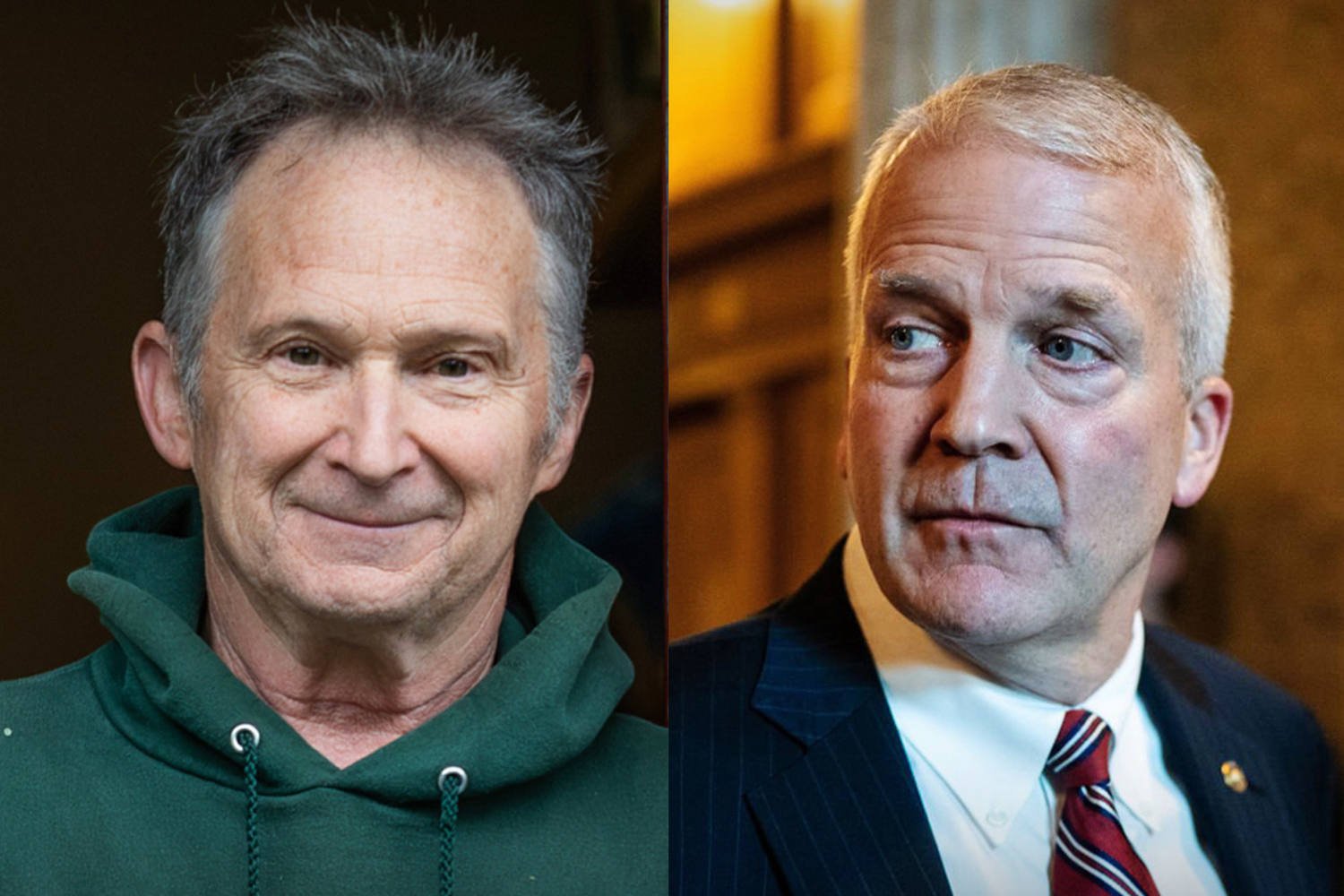
The U.S. Department of Justice has filed a federal lawsuit against Alaska election officials, seeking to block certification of the state’s November U.S. Senate election results unless incumbent Republican Senator Dan Sullivan wins. The move comes less than two weeks before Election Day and raises significant legal questions about the federal government’s role in state election processes.
Two Sullivans on the Ballot
At the heart of the lawsuit is the presence of a second candidate named Daniel J. Sullivan Jr. on the same ballot as sitting Senator Daniel S. Sullivan. DOJ attorneys argue this creates a serious risk of voter confusion. “Some supporters of Senator Sullivan likely will inadvertently vote for Daniel J. Sullivan,” the filing states.
Stay connected to every major update — subscribe and follow us on the PhoenixQ website and across our social media platforms.
The November ballot does distinguish between the two men. Senator Dan S. Sullivan appears with the labels “registered Republican” and “incumbent” beside his name. Daniel J. Sullivan Jr. appears without any party affiliation listed. However, the Justice Department argues that distinction may not be enough to prevent voters from making mistakes.
The Trump administration is asking the court to block certification specifically if Senator Sullivan loses and if redirecting all votes cast for Sullivan Jr. to the senator would have changed the outcome under Alaska’s ranked-choice voting system.
DOJ’s Legal Authority Questioned
Legal experts have challenged the department’s authority to take this action. Justin Levitt, an NBC News contributor and former DOJ official under President Obama, said no law gives the Justice Department the power to challenge ballots or delay certification. Typically, that right belongs to private citizens and candidates.
By law, the DOJ’s role in elections is largely limited to protecting civil rights and prosecuting election law violations. U.S. elections are run by state and local officials, who hold responsibility for certifying results.
The lawsuit also came on the same day Attorney General Todd Blanche told reporters the department had no intention of improperly interfering in elections. “I’m not trying to not have an election certified. Of course not,” Blanche said, while acknowledging there could be extreme scenarios where DOJ involvement might be warranted.
Sullivan Jr.’s Candidacy Under Scrutiny
Sullivan Jr.’s candidacy has faced challenges since the beginning. In June, Alaska election officials removed him from the ballot, ruling his candidacy was not in “good faith.” Officials cited his choice to run as “Dan” rather than “Daniel” and his registration as a Republican despite having no prior Republican Party affiliation on record in Alaska.
Alaska courts later overturned that decision and allowed him to remain on the ballot. In August’s all-party primary, Sullivan Jr. finished third with just 2.5% of the vote. Democrat Mary Peltola led with 49.5%, while Senator Sullivan received 41.4%.
Sullivan Jr. did not respond to a request for comment on the federal lawsuit.
Political Accusations Surround the Case
Senator Sullivan’s campaign and Republican allies have accused Sullivan Jr. of being a Democratic plant, deliberately placed on the ballot to siphon votes from the incumbent. President Donald Trump has repeatedly called Sullivan Jr. a “cheat” and a spoiler candidate.
“It’s cheating. It’s a spoiler candidate to go on the ballot with the exact same name as your great Senator Dan Sullivan,” Trump said in a social media video earlier this month. “He was just put there by the Democrats to confuse the voter, and it’s very unfair.”
Associate Attorney General Stanley Woodward, who signed the filing, said the action was brought “to protect the integrity of the 2026 Senate election in Alaska.” A DOJ spokesperson added that Sullivan Jr.’s “candidacy was intended to mislead voters and compromise the fairness of the ballot,” and that the department was acting under the National Voter Registration Act to prevent the candidacy from undermining Alaska’s election.
It remains unclear why the department chose to act at this point, with Election Day now less than two weeks away.