English











































A growing number of people are undergoing rib remodeling surgery to achieve a narrower waist, despite warnings from patients who describe the recovery as intensely painful. Meanwhile, Spanish media continues to react to a deadly train collision, and experts weigh in on whether any seat on a train is truly safer than another.
Spain Reacts to Deadly Train Crash
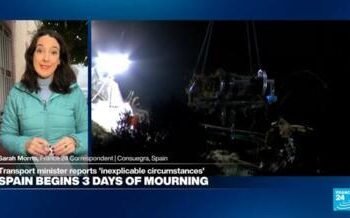
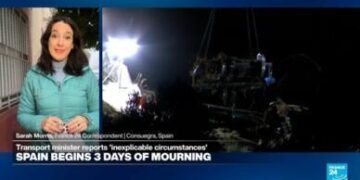
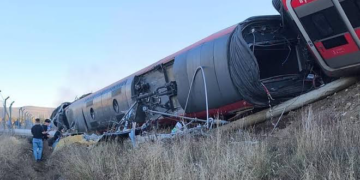
Spanish newspapers are responding to a devastating train crash that killed dozens of people on Wednesday. Both El Mundo and El País noted that this is not the first such incident. The previous train accident in Spain occurred just nine months earlier.
Stay connected to every major update — subscribe and follow us on the PhoenixQ website and across our social media platforms.
El País published a first-person account from one of its own journalists, who happened to be on the train during the crash. He had also covered the Adamuz rail disaster in January. “I had that feeling again of living through a nightmare,” he wrote, describing a strange calm among passengers as they freed themselves from the last carriage.
The crash may also carry political consequences. According to Democrata, the incident could damage Prime Minister Pedro Sanchez’s reputation ahead of snap elections scheduled in just one month. Transport Minister Oscar Puente faces particular scrutiny. He held the same post during January’s train disaster. The paper outlined three possible outcomes for him: “continuity, resignation or dismissal.” Puente’s position is further complicated by a comedy video he appeared in after the earlier crash, in which he imitated a derailing train.
Is There a Safest Seat in a Train Crash?
The New York Times explored whether passengers can improve their chances of survival by choosing a specific seat. There is a general consensus that sitting in the middle of the train offers the most protection against front or rear impacts. Some experts go further, recommending a middle aisle seat facing backward. This position reduces whiplash and lowers the risk of injury from flying objects.
However, experts caution that train crashes involve too many variables for any single rule to apply. In Wednesday’s Spanish crash, for example, the impact came from the rear. That meant the front of the train was actually the safest location. Passengers, of course, had no way of knowing that in advance.
Rib Remodeling Surgery on the Rise
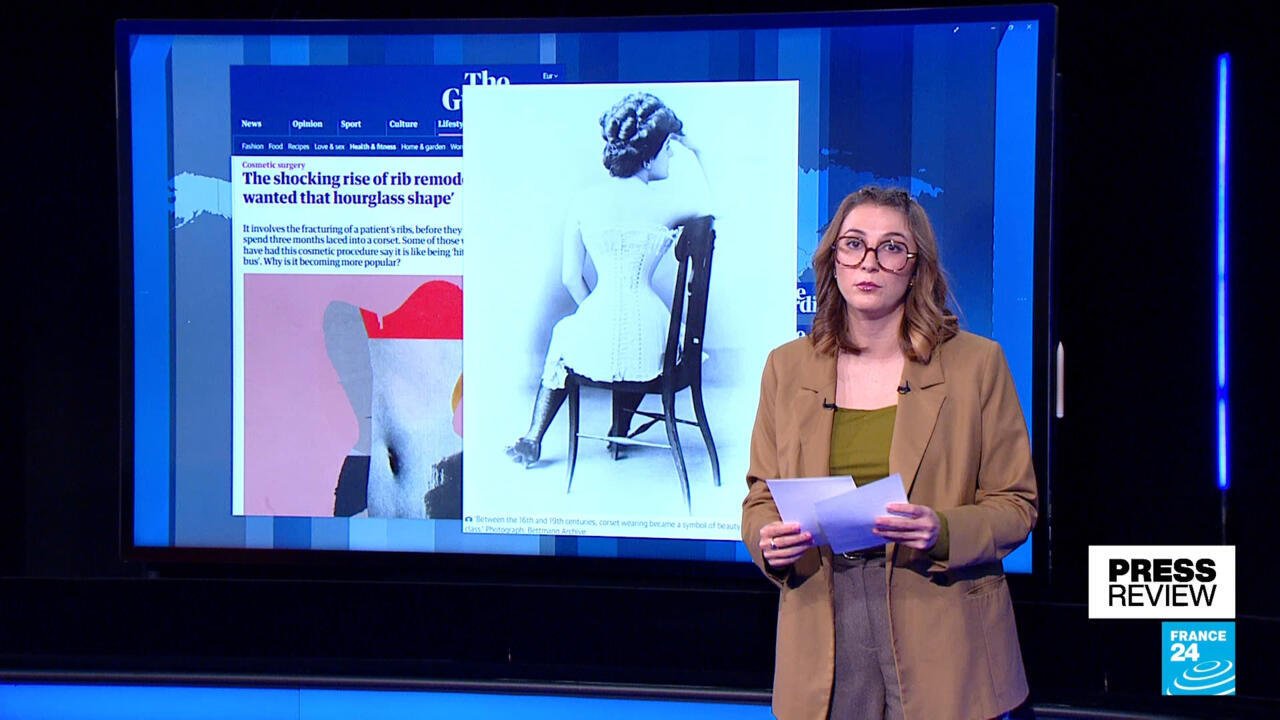
The Guardian reports that rib remodeling surgery is becoming increasingly popular, despite serious warnings from those who have undergone the procedure. Surgeons first fracture the patient’s ribs, then require the patient to wear a corset for approximately three months, nearly around the clock. The goal is to create a dramatically narrowed, wasp-like waist.
Patients who spoke to The Guardian described the experience as extremely painful. One woman said recovery felt like “being hit by a bus.” Another could not sleep comfortably for more than a week due to constant pain.
Although the procedure remains uncommon, demand is clearly growing. Between 2018 and 2024, more than 2,300 patients underwent rib remodeling surgery. The overall complication rate stands at 3.7 percent, which experts consider notably high for a cosmetic procedure.
Photographing the Frozen Edges of the World
Finally, polar specialists Sue Flood and Ian Dawson have released a new photography book capturing life in the Arctic and Antarctica. The Times featured several images from the collection, describing them as photographs that “document life at the frozen edges of the world.” The book offers a rare visual record of some of the planet’s most remote and fragile environments.