English






























Russian President Vladimir Putin used a major diplomatic gathering in Moscow on Wednesday to position Russia as Africa’s most reliable partner, accusing Western nations of continuing to exploit the continent through debt and resource extraction.
Putin addressed the third Russia-Africa Summit, a two-day event held in Moscow and attended by government delegations from 48 African countries. Twenty-two African heads of state attended in person. During the summit, Putin held individual meetings with many of those leaders, covering topics ranging from trade and security to arms deals and grain supplies.
Stay connected to every major update — subscribe and follow us on the PhoenixQ website and across our social media platforms.
Russia Pushes for Influence Across Africa
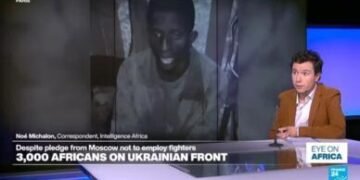
The Russia-Africa Summit first took place in 2019. It forms part of a broader Russian effort to expand political, economic and military influence across the continent. Russia’s Africa Corps paramilitary fighters remain active in several African nations. Meanwhile, Russian state media, cultural institutions and state-owned companies are also working to grow their presence, with interests spanning mining and power generation.
Cultivating ties with African nations and other Global South countries has also served a strategic purpose for Moscow. Russia has used these relationships to push back against Western pressure over its war in Ukraine.
At the summit, Putin argued that a multipolar world was emerging but faced resistance from powerful nations unwilling to accept the shift. “Africa is increasingly asserting itself as one of the key players in the global economy and politics,” he said. He added that some countries, shaped by a colonial mindset, continued to enrich themselves at Africa’s expense. Western critics regularly accuse Putin of exploiting Africa’s colonial history to advance Moscow’s own interests.
Putin Criticises Western Lending Practices
Without naming specific countries, Putin accused Western nations of attempting to trap African states in debt bondage. He claimed they forced African governments to accept financial assistance on predatory terms, which he argued slowed long-term development across the continent.
By contrast, Putin presented Russia as a constructive partner. He said Russian business did not engage in neo-colonial resource extraction. Instead, he argued, Russia supports local processing of raw materials, which creates jobs and generates tax revenue for African economies.
However, Western governments have accused Russian paramilitary forces of propping up military juntas in countries such as Mali. Critics say Moscow uses these arrangements to extend its geopolitical reach and push out former colonial powers like France. Russia rejects those accusations.
Grain, Education and Infrastructure Pledges
Putin also outlined a series of concrete offers to African nations. He said Russia supports greater African representation within the International Monetary Fund and the World Bank. He also expressed readiness to pursue joint projects in transport and agricultural infrastructure.
On education, Putin noted that around 40,000 African students are currently enrolled at Russian universities, describing this as a record number.
Furthermore, Putin said Russia stood ready to expand grain and fertiliser supplies beyond the 40 African countries that already receive them. He reported that Russia supplied 13 million metric tonnes of agricultural products to Africa in the first nine months of this year alone.
The summit underlines Moscow’s sustained push to deepen its footprint across Africa at a time when its relationships with Western nations remain deeply strained over the ongoing conflict in Ukraine.