English








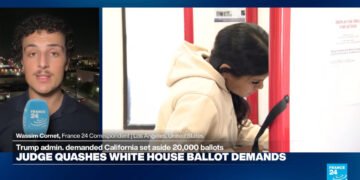
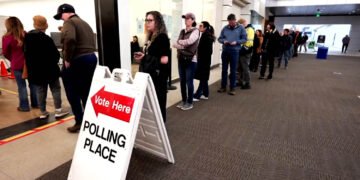
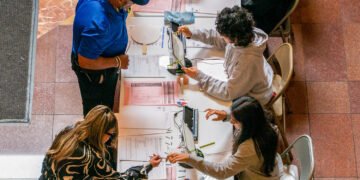
























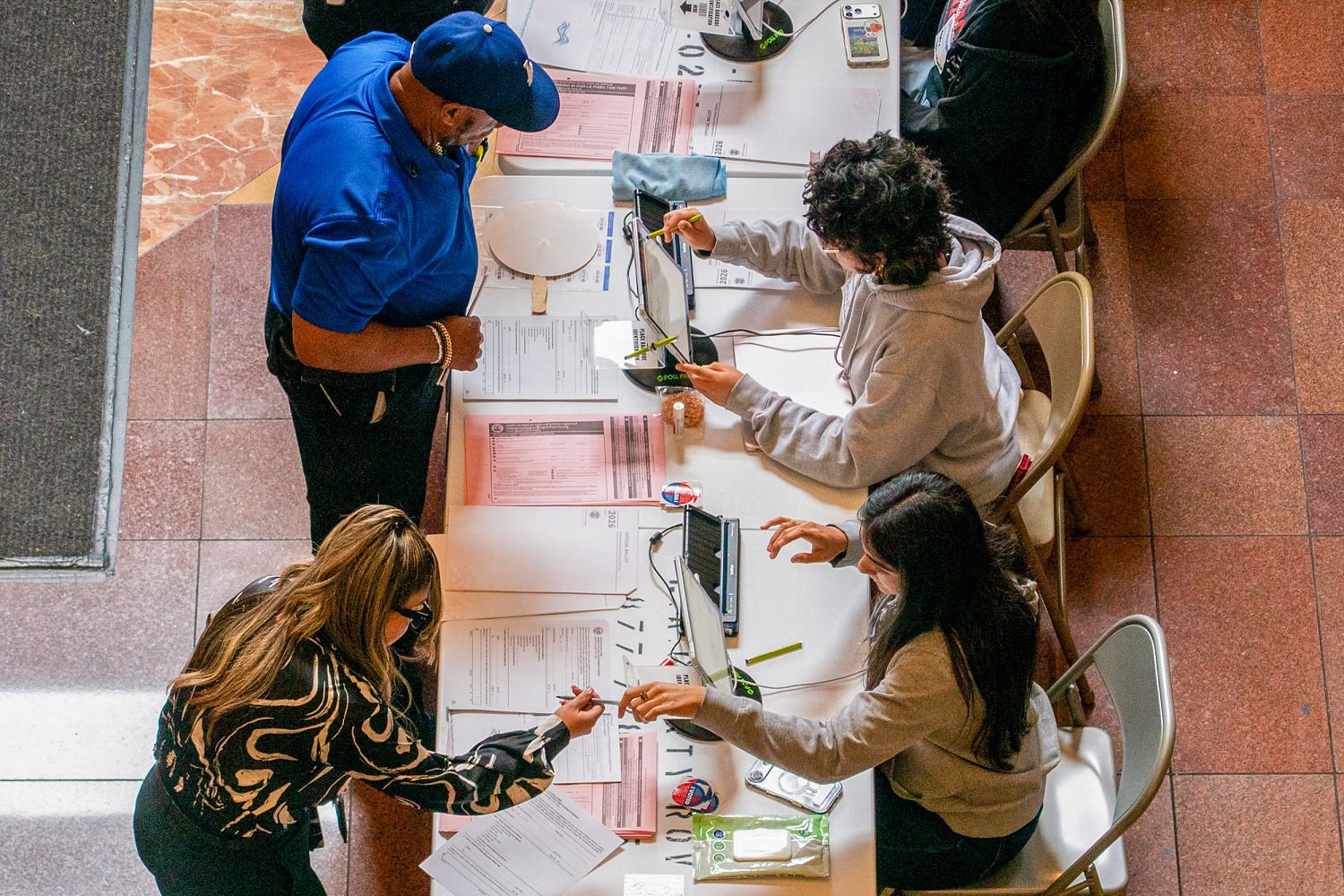
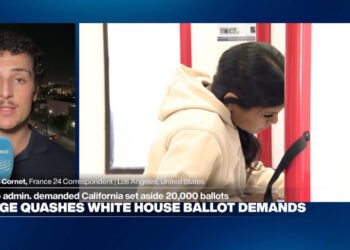
The U.S. Supreme Court has rejected an emergency request from the Trump administration seeking to isolate up to 20,000 mail-in ballots in California. Officials alleged those ballots could have been submitted by noncitizens. The court acted swiftly on Monday, turning down the request without issuing any explanation.
Court Moves Quickly Against Administration Request
The Supreme Court’s decision came just hours after the Trump administration filed its emergency appeal. Notably, the court did not ask California for its response before ruling — an unusual step that underscored how quickly justices moved to dismiss the claim. Lower courts had already ruled against the administration before the matter reached the Supreme Court.
Stay connected to every major update — subscribe and follow us on the PhoenixQ website and across our social media platforms.
California Attorney General Rob Bonta, a Democrat, welcomed the decision. “This latest decision should put an end to the administration’s attempt to disrupt California’s elections through emergency court orders,” he said. He added that his office would remain vigilant against further federal efforts to interfere with state elections.
California Pushes Back on Federal Intervention
California officials had firmly resisted the Justice Department’s intervention. They noted that noncitizen voting is already illegal under state law. They also expressed doubt about the accuracy of the federal government’s data.
Meanwhile, a federal judge on Saturday ordered the Justice Department to stop threatening California election officials with prosecution over the noncitizen voting issue. The administration had warned those officials they could face criminal charges if noncitizens were allowed to vote.
The administration argues it has authority to intervene because federal law prohibits noncitizens from voting. However, the 9th U.S. Circuit Court of Appeals disagreed. It found no evidence that Congress intended that federal law to override state election rules.
Broader Pattern of Setbacks
President Trump has long claimed that millions of noncitizens vote illegally in U.S. elections. Election experts say such cases are extremely rare. Despite this, the administration has pressured several states to verify voter citizenship using a federal database.
Those efforts have repeatedly fallen short. In Nevada, for example, federal officials claimed they had confirmed 185 noncitizens on the voter rolls. Nevada authorities responded that every person on that list was, in fact, a citizen.
In California, the noncitizen ballot challenge also faced a practical obstacle. Thousands of mail-in ballots had already been processed. After election officials verify a ballot’s validity through signature matching, they discard the identifying information before counting the vote. As a result, it would be impossible to trace which ballots the alleged noncitizens may have cast.
Legal Experts Note Broader Significance
Travis Crum, an election law expert at Washington University in St. Louis and an NBC News contributor, said the Supreme Court’s swift rejection of the Trump administration’s noncitizen voter claims echoed an earlier pattern. He compared it to how the court quickly dismissed Republican requests to redraw a congressional district map last summer.
In both cases, Crum said, the court acted fast to signal its disapproval of the underlying claims. The decisions also reinforced the longstanding principle that federal courts should not intervene in elections while they are already underway.