English











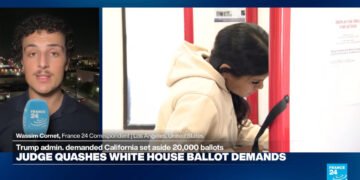
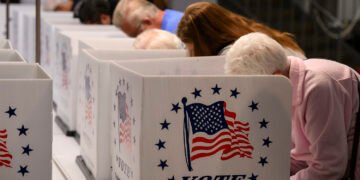

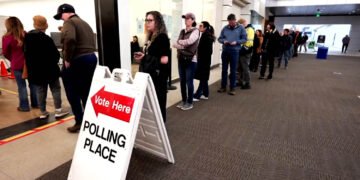




























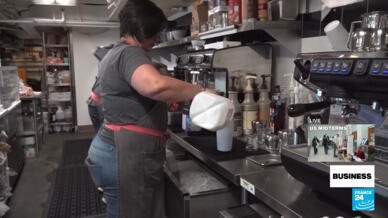
As Americans headed to the polls for the midterm elections, economic anxiety dominated the national mood. Despite relatively strong headline figures, many middle-class Americans say they are struggling with the rising cost of everyday goods and services. At the same time, small businesses across the country are facing a growing crisis driven by the tariff policies of President Donald Trump.
Small Businesses Feeling the Pressure
Trump’s tariffs have placed a heavy burden on small business owners. Unlike large corporations, smaller companies often lack the financial reserves to absorb sudden cost increases. As a result, many have been forced to cut staff, raise prices or shut down entirely.
Stay connected to every major update — subscribe and follow us on the PhoenixQ website and across our social media platforms.
The strain has translated into a significant rise in business bankruptcies. Correspondents spoke directly with affected business owners, who described mounting pressure on their operations. For many, the tariffs have pushed already tight margins past the breaking point.
Economy Tops Voter Concerns at Midterms
The economy emerged as the top concern for voters during the midterm elections. While official macroeconomic data has remained broadly positive, many Americans say those numbers do not reflect their daily reality. The gap between headline statistics and lived experience has fueled widespread frustration.
Middle-class households, in particular, report feeling squeezed by the rising cost of living. Higher prices on imported goods, partly driven by tariff increases, have added to financial stress for millions of families. Therefore, economic dissatisfaction shaped how many voters approached the ballot box.
A Difficult Outlook for Small Enterprises
Small business owners interviewed by correspondents painted a difficult picture. Several described scrambling to find alternative suppliers or pass costs on to customers. However, many said customers were already pulling back on spending, leaving businesses caught between higher costs and weaker demand.
The combination of tariff-driven cost increases and softening consumer spending has created a particularly challenging environment. Furthermore, small businesses that rely heavily on imported materials or goods have had little room to maneuver. For some, bankruptcy has become the only option.
The situation highlights a growing divide between the broader economic data and the experience of everyday Americans. While unemployment figures and GDP numbers have remained relatively stable, the ground-level reality for small businesses and working families tells a more complicated story. The midterm elections offered voters a chance to signal how they feel about that gap.