English














































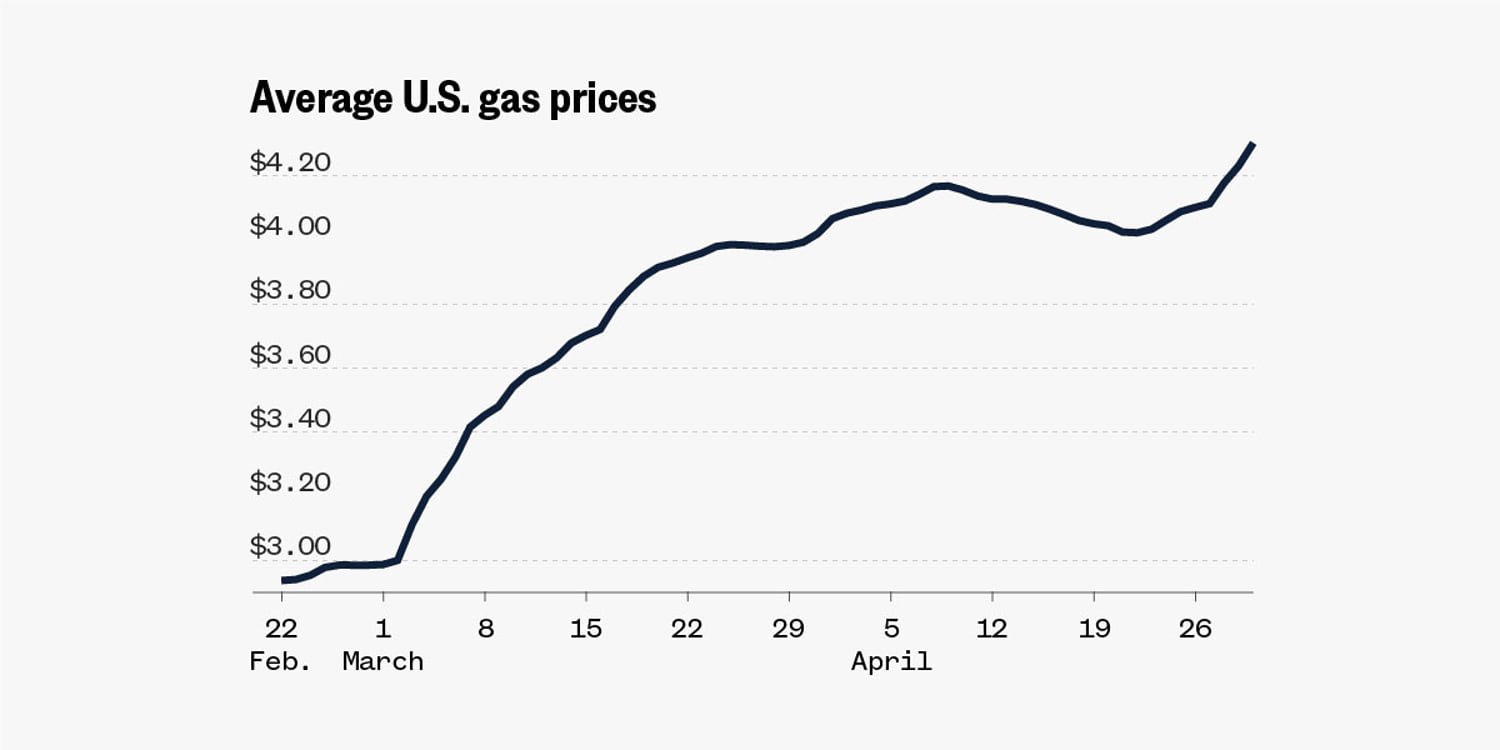
Gas prices across the United States have surged by more than 30% following the outbreak of war involving the U.S. and Israel in Iran, pushing the national average close to $4 per gallon. The sharp rise reflects a tightening in global oil supply triggered by the conflict, and the financial pressure is being felt by households already managing stretched budgets.
A Nation Feeling the Pump
Data from motor club AAA confirms the national average is approaching $4 per gallon. That figure represents a significant jump from pre-conflict levels and marks one of the steeper price increases American drivers have faced in recent years.
Stay connected to every major update — subscribe and follow us on the PhoenixQ website and across our social media platforms.
The connection between the Iran war and rising fuel costs is direct. Global oil markets reacted quickly to the conflict, with supply constraints driving prices upward at speed. Consumers across the country are now absorbing those costs every time they fill their tanks.
Tracking Prices From State to County Level
NBC News is monitoring how U.S. gas prices shift at the national, state, and county levels. The outlet is updating its coverage daily to reflect the latest available data as the situation continues to evolve.
The county-level tracking offers a granular view of how fuel costs vary across different regions. Some areas face steeper prices than others, depending on local taxes, distribution infrastructure, and proximity to fuel supply chains.
Household Budgets Under Strain
For many American families, the timing is difficult. Budgets were already under pressure before the latest spike in fuel costs. The additional burden of higher gas prices adds to a broader set of financial challenges facing consumers nationwide.
Economists and consumer advocates have noted that fuel costs affect more than just driving expenses. Higher gas prices ripple through the broader economy, raising transportation and delivery costs that ultimately push up the price of everyday goods.
As the conflict in Iran continues, analysts expect gas price volatility to persist. The degree to which prices stabilize or climb further will depend largely on how global oil supply responds to ongoing geopolitical developments in the region.