English












































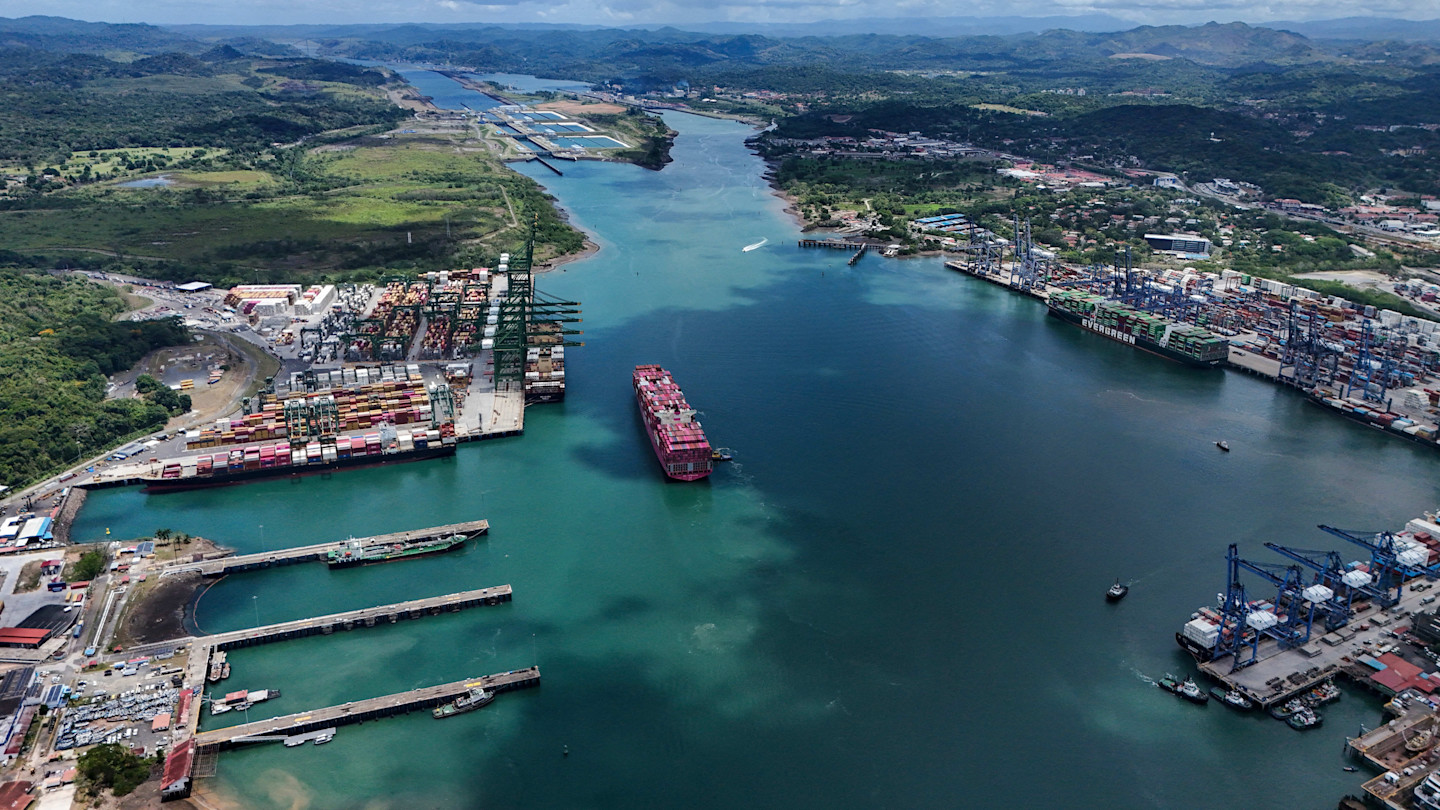
The Panama Canal will limit daily ship transits as El Niño threatens to reduce water levels. The Panama Canal Authority expects the weather pattern to create fresh challenges for global shipping. Lower water levels could force the canal to restrict traffic and manage available water more carefully.
The Panama Canal relies heavily on freshwater to operate its locks. Each vessel passing through the canal requires large volumes of water. Therefore, prolonged dry conditions can directly reduce the number of ships the waterway can handle.
El Niño raises pressure on canal operations
El Niño can bring unusually dry conditions to parts of Central America. As rainfall declines, reservoirs that supply the canal can lose water. Consequently, canal authorities may need to reduce daily transits to protect long-term operations.
The Panama Canal already faced severe water shortages during previous dry periods. Authorities introduced transit restrictions to conserve water and maintain reliable operations. Those measures also affected shipping schedules and increased concerns about delays.
The latest restrictions could again affect vessels that depend on the canal. Operators may need to adjust routes, schedules, or cargo plans. Some companies could also consider alternative waterways if restrictions become more severe.
“Don’t miss any major story—stay connected with PhoenixQ.”
Global trade could feel the impact
The Panama Canal provides a vital link between the Atlantic and Pacific oceans. Thousands of commercial vessels use the route each year. These ships transport energy products, agricultural goods, manufactured products, and other commodities.
Any reduction in canal capacity can therefore affect international supply chains. Fewer daily transits could increase waiting times for ships. In turn, longer delays could raise transportation costs for carriers and cargo owners.
The impact could become more significant if dry conditions continue for an extended period. Shipping companies closely monitor canal conditions because route changes can add substantial costs. Some vessels may also need to travel much longer distances around South America.
Water management remains a key challenge
Canal authorities must balance commercial demand with the need to preserve freshwater supplies. The canal’s reservoirs also provide drinking water for nearby communities. That makes water conservation an important issue beyond maritime transportation.
The Panama Canal has invested in measures designed to improve water management and strengthen its resilience. However, changing weather patterns continue to create operational challenges. El Niño could intensify those pressures if rainfall remains below normal.
For global shipping, the latest warning highlights the canal’s vulnerability to climate conditions. The Panama Canal remains essential to international trade. However, reduced water availability could limit its capacity and create new uncertainty for shipping operators.