English


































Republicans have launched an unprecedented wave of late advertising spending in congressional races, pouring more than $700 million in new ad bookings since the start of September. The surge reflects growing anxiety within the GOP as traditionally safe Republican states and districts face unexpected competitive pressure heading into the midterm elections.
The figures come from an NBC News analysis of data provided by AdImpact, a political advertising tracking firm. The $700 million represents entirely new money, added on top of ad reservations already committed over the summer. By comparison, Democrats booked more than $430 million in new ad reservations across the same races during the same period.
Stay connected to every major update — subscribe and follow us on the PhoenixQ website and across our social media platforms.
Senate Races Drive the Spending Gap
The disparity between the two parties is sharpest in the battle for Senate control. Nearly seven out of every ten newly booked advertising dollars in Senate races are coming from Republican sources. Much of that money is flowing into Texas, where Democrat James Talarico is mounting a serious challenge to a seat the GOP has held for decades. Republicans have committed almost $150 million in new ad spending to support their nominee, Ken Paxton, the state’s attorney general.
A newly formed group called Texas PAC accounts for more than $115 million of those bookings in Texas alone over the past month. However, because Republicans are spending largely through outside groups rather than through Paxton’s campaign directly, they pay premium advertising rates. Talarico’s campaign, meanwhile, benefits from lower candidate ad rates under federal rules. As a result, the actual number of ad airings and their audience reach is not as lopsided as the raw dollar figures suggest.
Democrats have not won a statewide election in Texas in more than 30 years. Still, the scale of Republican spending there signals that party leaders are treating the race as genuinely at risk.
Ohio, Michigan and a Broader Defensive Push
Senate races in Ohio and Michigan also attracted more than $75 million each in new Republican-aligned ad spending during September. Both states feature well-funded Democratic candidates. Former Senator Sherrod Brown is running in Ohio, while Abdul El-Sayed, a former county health official, is the Democratic candidate in Michigan.
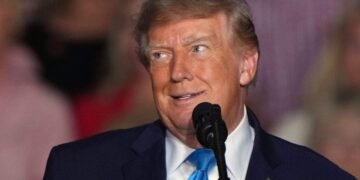
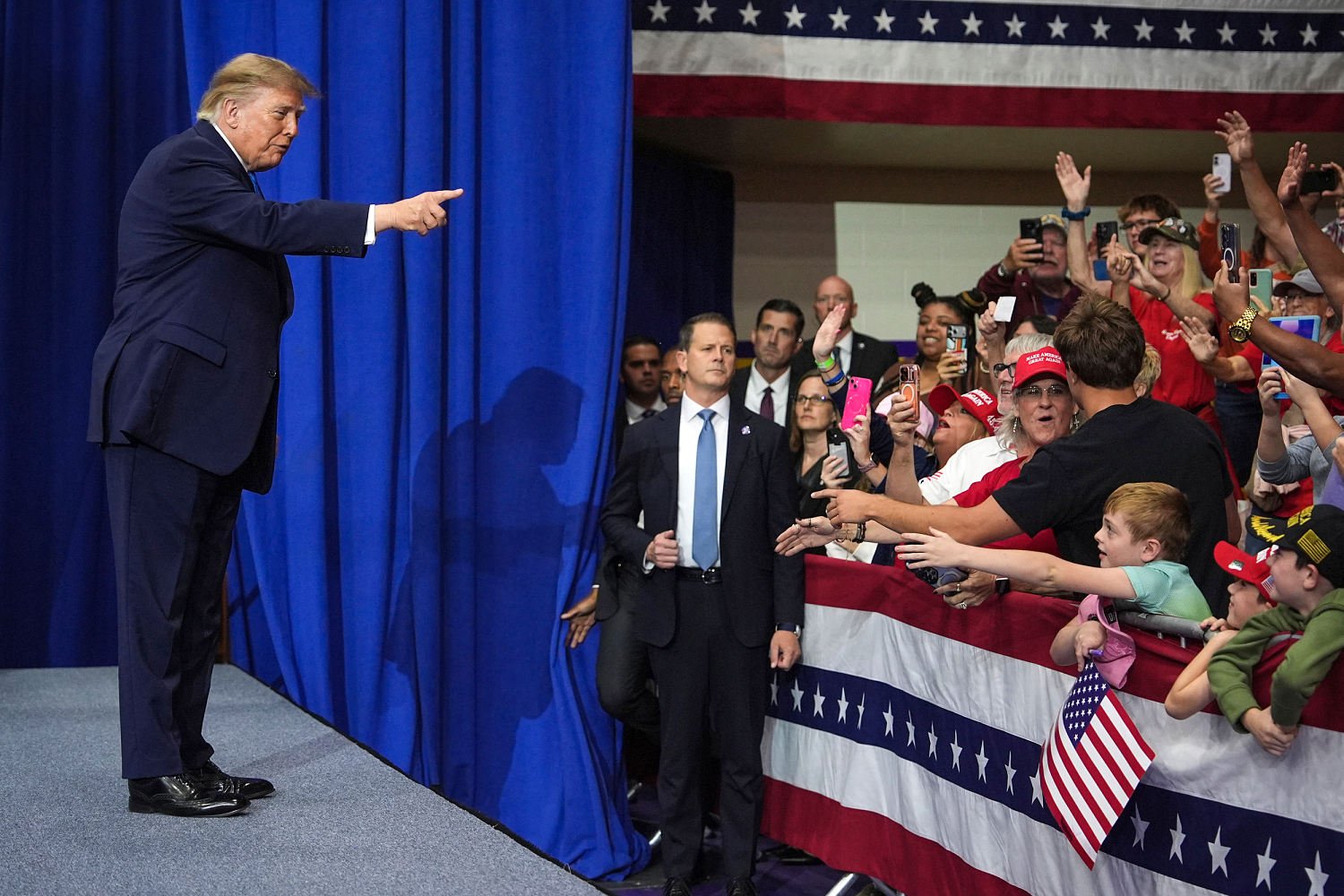
Much of the Republican money flows through two outside groups: No Going Back PAC and Safety and Affordability PAC. Together, those groups have booked more than $150 million in new advertising across dozens of races since early September. The New York Times recently confirmed that MAGA Inc., Donald Trump’s primary super PAC, is the main source of funding for those efforts, drawing on hundreds of millions of dollars the organization has accumulated over recent years.
Senator Tim Scott of South Carolina, who chairs the Senate GOP’s campaign committee, publicly credited Trump’s political operation with sustaining the cash flow. Scott told reporters he met last week with Trump’s chief of staff, Susie Wiles, and received a direct message of reassurance. “Money will not be our problem,” Scott said Wiles told him. He added, “Knowing that they are going to invest completely in these races is incredibly helpful, because cash is king.” Scott also said, “We finally find ourselves at a cash advantage because of MAGA Inc. It’s a powerful tool that is providing us with the firepower necessary to really share our message.”
A Republican strategist involved in Senate races offered a frank assessment of the party’s position. “With the environment not on our side and an incumbent presidency, the three things we have going for us are good candidates, a good map and a lot more money than they do,” the strategist said.
Democrats See Panic, Not Momentum
Democrats are drawing a different conclusion from where the Republican money is going. The vast majority of new GOP spending targets states and districts that Trump carried in 2024, including congressional seats he would have won by double digits. Those include North Carolina’s 1st District, Texas’ 35th District and Alaska’s at-large congressional district.
The spending also covers races Republicans considered safe until recently. In Kansas, the top Senate Republican super PAC reallocated millions originally set aside for North Carolina to shore up the Senate race there instead.
Lauren French, communications director at Senate Majority PAC, the super PAC aligned with Senate Democratic leadership, rejected the idea that the spending reflects Republican strength. “The money is not because there is this swell of Republican momentum; the money is because of a swell of Republican panic,” French said. “Voters don’t like anything they are selling — that includes the message, the candidates and the president.”
Meredith Kelly, a Democratic strategist working on House and Senate races, was equally blunt. “When you are defending in such deep-red territory, the technical term for that is: ‘You’re f—ed,'” Kelly said. She acknowledged the GOP’s financial edge but questioned whether it would be enough. “Republicans, if they have one advantage, it’s that they have more money, and they are putting that money to the test right now post-Labor Day,” Kelly said. “However, the big question is: Is that money enough to counteract the fact that Donald Trump’s coalition is falling apart?”
Kelly also warned that the fundraising gap remains a structural problem for Democrats. “It’s a huge problem, and it will be an ongoing problem,” she said. “It creates such an initial advantage for the Republicans that we have to close the gap in a variety of ways — candidate money, better message, better candidates. We are setting ourselves up for an uphill battle every single time because of the Republican donor strength in terms of the billionaire class.”
Despite the financial pressure, Democrats point to favorable political conditions, including Trump’s declining approval ratings and strong candidate recruitment, as factors that money alone may not be able to overcome.