English














































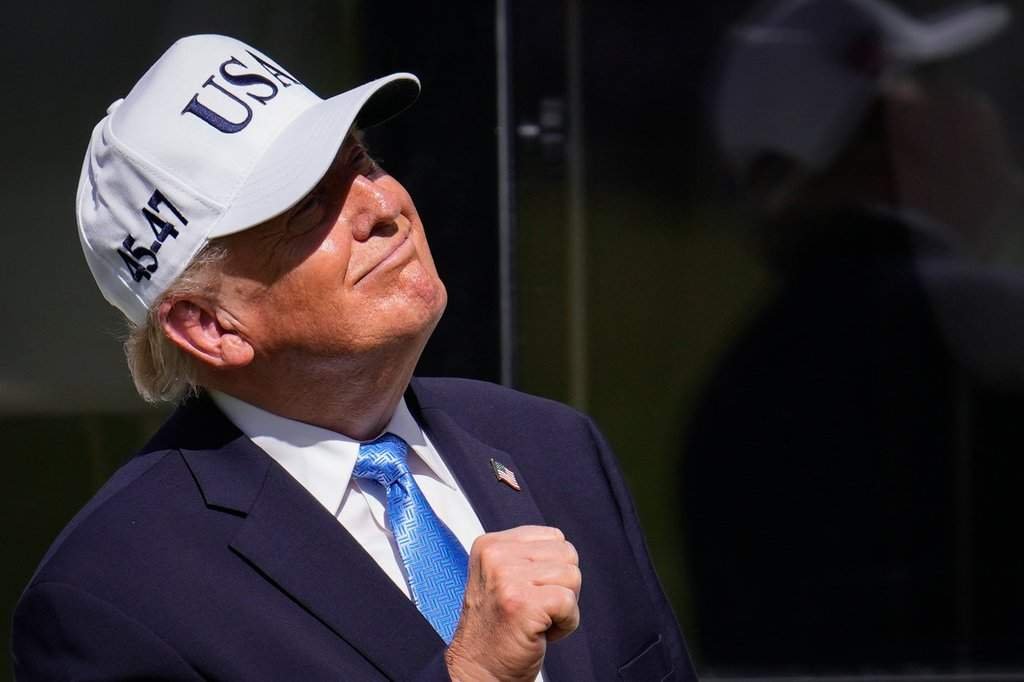
U.S. President Donald Trump has intensified his trade war with Canada by imposing outright bans on imports of select Canadian goods. The bans took effect at 12:01 a.m. ET on Tuesday, targeting products that include certain alcoholic beverages, dairy byproducts, and motorcycles. The move marks a significant new escalation in the ongoing dispute between the two countries.
The office of Canada-U.S. Trade Minister Dominic LeBlanc responded swiftly. Officials stated that the government’s top priority remains “protecting and supporting Canadian workers, farmers, families and businesses from these unjustified actions.”
Stay connected to every major update — subscribe and follow us on the PhoenixQ website and across our social media platforms.
Trade Talks Collapse Amid Mounting Pressure
Formal trade negotiations between Canada and the United States broke down last month. Both sides accused each other of introducing last-minute changes to the talks. After negotiations collapsed in August, Washington imposed 50 per cent tariffs on a wide range of Canadian goods. Ottawa responded with its own retaliatory tariffs within weeks.
Trump then signed two executive orders in response. One directed federal agencies to remove Canadian goods from government procurement lists. The other formally authorized Tuesday’s import bans. The president also signed a separate order to rename Lake Ontario as Lake America.
On Monday, Trump told reporters in the Oval Office that he expects Canada to return to the negotiating table within weeks. “I think what’s going to happen is over the next three or four weeks, they’re going to come to us and they’re gonna say, ‘We’re gonna get rid of all the tariffs,'” he said. “We’re going to win everything.”
Broader Tariff Measures Already in Place
Canada also faces a separate 10 per cent tariff that the Trump administration links to forced labour concerns in supply chains. However, goods that comply with the Canada-U.S.-Mexico Agreement, known as CUSMA, are exempt from those duties.
In addition, Canadian industries face further pressure from Trump’s sectoral tariffs. Steel, aluminum, automobiles, and cabinetry are among the sectors already absorbing the impact of those measures. For example, Stelco, a steel producer based in Hamilton, Ontario, recently announced plans to lay off hundreds of workers as a direct result of U.S. tariffs.
Economic Impact Expected to Be Targeted but Serious
Analysts suggest the new import bans could prove devastating for the specific industries affected. However, the restrictions are unlikely to significantly damage Canada’s overall economic growth in the short term. The affected sectors represent a narrow slice of the broader Canadian economy.
Meanwhile, the Trump administration continues to use trade restrictions as leverage. The goal appears to be pressuring Canada into making concessions during any future negotiations. As both sides remain at an impasse, Canadian businesses and workers in targeted industries face growing uncertainty about what comes next.