English












































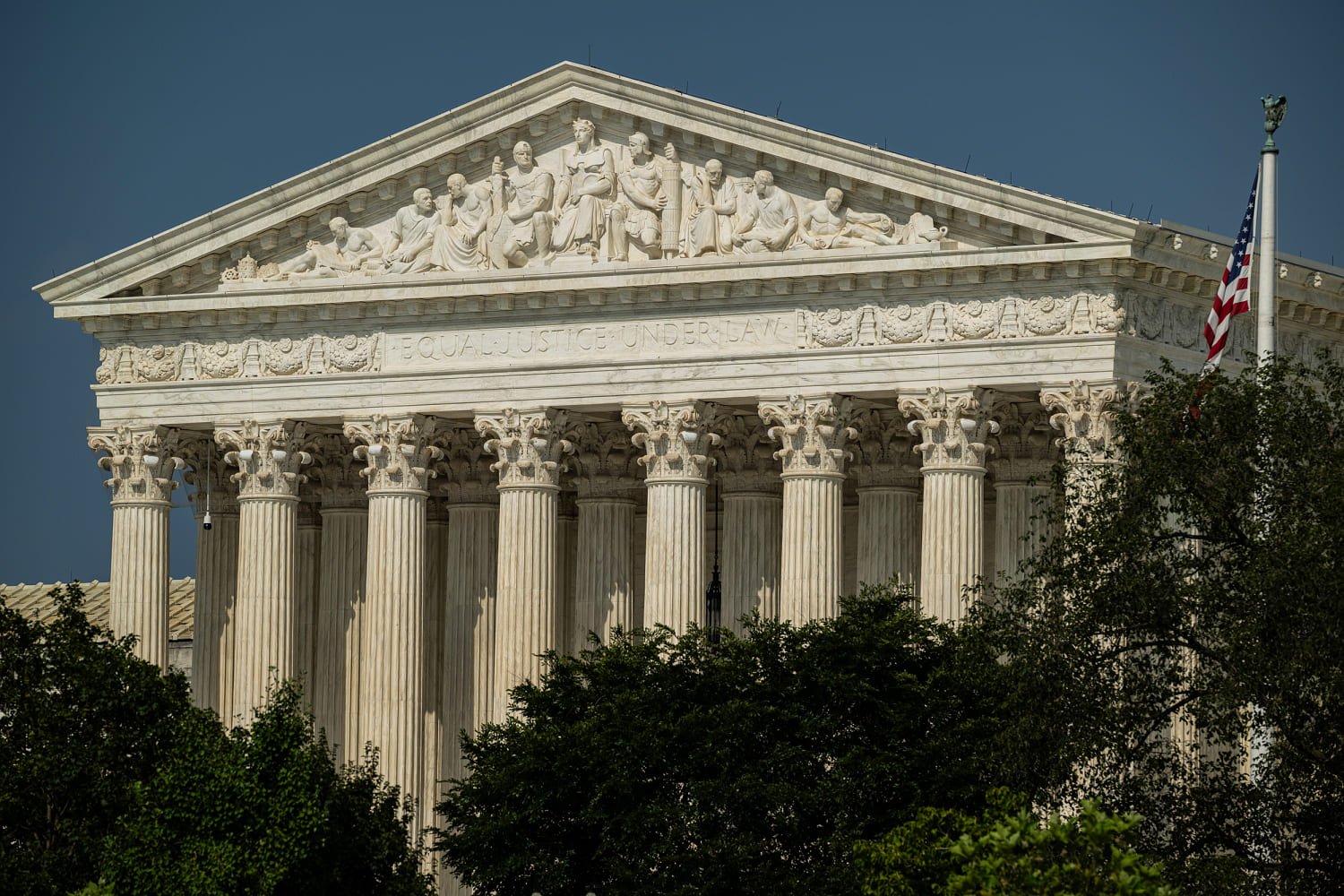
The U.S. Supreme Court has cleared the way for the Trump administration to resume deporting immigrants to countries where they have no ties. The court’s six conservative justices granted the government’s emergency request on Tuesday, overruling a lower court decision that had blocked the policy. The three liberal justices dissented. The court also announced it would hear oral arguments in December and issue a final ruling on the legal questions involved.
What the Court Decided
The appeals court had ruled that the third-country deportation process violated federal immigration law. Specifically, it found that affected individuals did not receive a proper opportunity to raise safety concerns before removal. The Supreme Court’s unsigned order suspended that ruling while litigation continues.
Stay connected to every major update — subscribe and follow us on the PhoenixQ website and across our social media platforms.
James Percival, general counsel of the Department of Homeland Security, welcomed the decision. “A bad day for criminal illegals and open borders activists alike,” he said in a statement Tuesday afternoon. “It’s not too late to get $3,000 and a flight home.”
The Supreme Court previously allowed the policy to move forward after lower courts blocked it at an earlier stage. Later, at the Trump administration’s request, the court clarified that its decision applied to eight men the government sought to send to South Sudan.
Scale of Third-Country Deportations
Since President Trump began his second term in January 2025, thousands of immigrants have been deported to third countries. Destinations have included South Sudan, Eswatini and Rwanda. According to the Migration Policy Institute, approximately 15,000 people were deported to third countries in 2025, with Mexico receiving the largest share.
The Trump administration argues that no individual case-by-case review is necessary. Officials say the countries that have agreed to accept immigrants have provided assurances that they will not mistreat them. The government has also stated it will not deport anyone to a country that has not given such assurances.
Concerns Raised by Plaintiffs
Four unnamed immigrants challenged the policy in court. They argued that people deserve a meaningful opportunity to claim they could face torture or persecution in a third country. Massachusetts-based U.S. District Judge Brian Murphy agreed with that position. The Boston-based 1st U.S. Circuit Court of Appeals later upheld his ruling, citing a federal law that bars deportations to countries where a person faces likely persecution.
Although courts initially put the appeals court ruling on hold, it took effect on September 23. The Trump administration then moved quickly to the Supreme Court for relief.
Trina Realmuto, a lawyer at the National Immigration Litigation Alliance representing the plaintiffs, criticized Tuesday’s decision. “People facing removal to third countries are once again at immediate risk of being sent to places where they have no meaningful opportunity to seek protection,” she said. “That is an enormous consequence for people whose lives and safety are on the line.”
Plaintiffs’ lawyers also noted that the lower court rulings did not require anyone to be released from detention. Furthermore, those rulings did not prevent third-country removals outright. They only required that people have a chance to raise objections first.
Operational and Human Impact
Solicitor General D. John Sauer told the court that pausing third-country deportations had caused serious problems. He said the halt created logistical difficulties, added costs, potential diplomatic complications and prevented the removal of dangerous individuals. One flight scheduled to carry 70 people with criminal convictions to three different countries was canceled immediately as a result of the pause.
Meanwhile, plaintiffs allege that some people already deported to third countries have suffered serious mistreatment. Court documents describe cases involving indefinite detention, physical abuse and sexual abuse. The lead plaintiff, identified only as D.V.D. in court records, is a Cuban national with severe mental illness. His lawyers say he fears deportation to a country where he would not receive psychiatric care. The Supreme Court’s December oral arguments will ultimately determine how the policy proceeds going forward.