English








































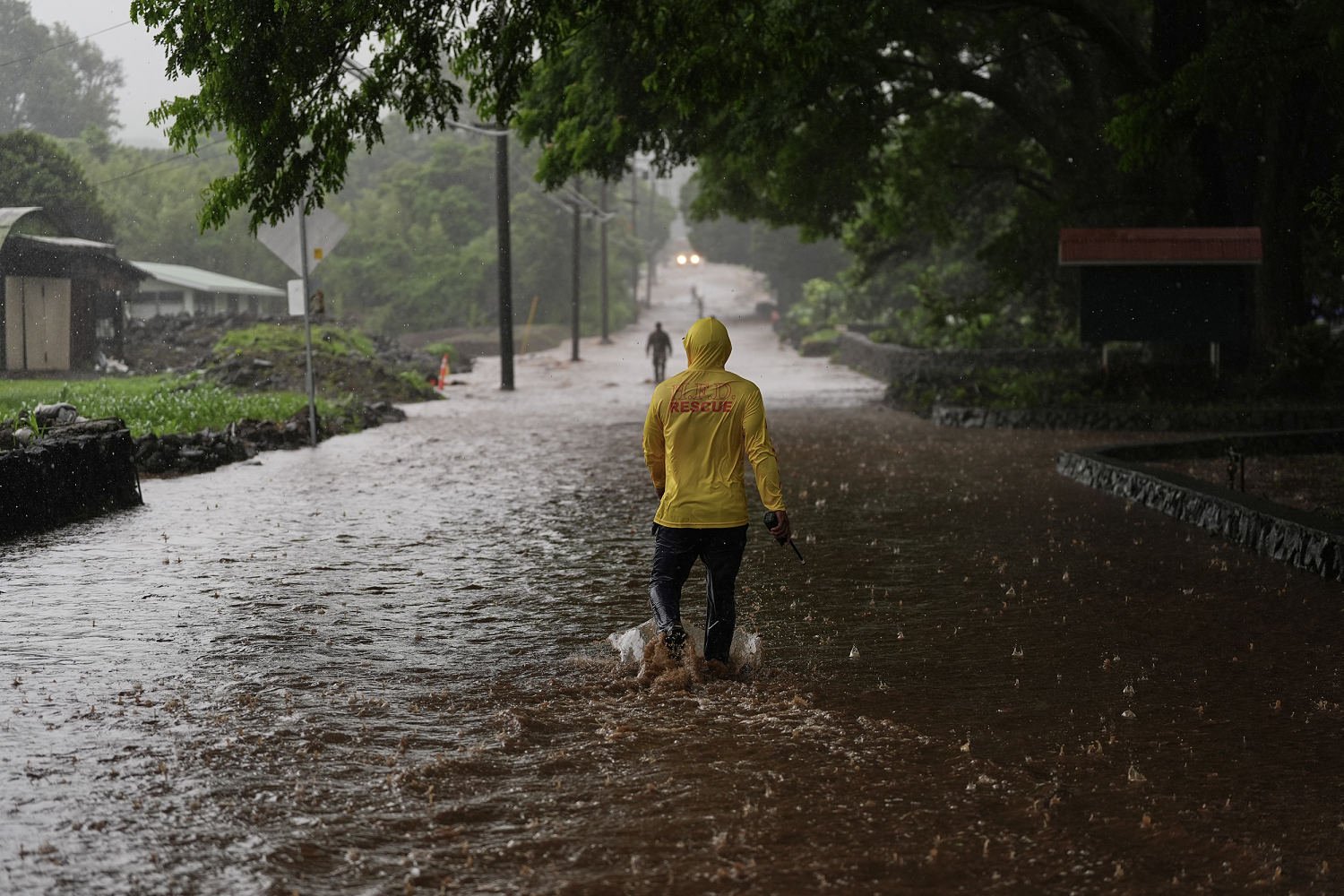
Hawaii is grappling with what local officials are calling “storm fatigue” after a third hurricane in recent weeks churned through waters near the islands. Hurricane Nolo, a Category 4 storm, remained offshore Sunday but still delivered damaging effects to parts of the Big Island, adding to the toll already inflicted by Hurricanes Lala and Lowell earlier in the season.
A Season of Relentless Storms
The eastern and central Pacific have produced at least 19 named storms this season. None of the three hurricanes that approached Hawaii made landfall. However, their combined impact has left communities battered and residents on edge.
Stay connected to every major update — subscribe and follow us on the PhoenixQ website and across our social media platforms.
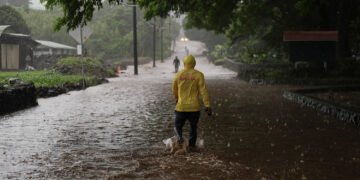
Hilo Mayor Kimo Alameda described the emotional toll on Sunday. “There’s storm fatigue and there’s some PTSD,” he told NBC News. “There’s a lot of anxiety around the weather now.” He pointed specifically to Hurricane Lala, which struck last month and caused catastrophic flooding in southern parts of the island. That storm killed two people and damaged more than 200 homes, despite never making landfall.
Following Lala’s destruction, Governor Josh Green issued three separate disaster proclamations related to storm damage in September alone. After Nolo approached, Green also issued an emergency proclamation. In response, officials activated more than 120 National Guard members on the Big Island, with roughly 400 deployed statewide. President Donald Trump approved a federal emergency declaration, authorizing FEMA to coordinate assistance and provide funding support.
Nolo’s Impact and the Community’s Response
Authorities reported some rescues related to Nolo but confirmed no deaths or major structural damage. Mayor Alameda acknowledged the island took some hits but expressed relief. “For the most part, we dodged a huge bullet,” he said. “It could have been much worse.”
In Nāʻālehu, at the island’s southern tip, resident Peggy McKibbin surveyed silt-covered roads from her four-wheeler on Sunday. She pointed out buildings still bearing the scars of Lala — a bakery, a fire station and a hardware store, all destroyed. “Everyone has been very much affected by this,” McKibbin said.
Meanwhile, Nolo remained a Category 4 hurricane Sunday afternoon and forecasters expected it to strengthen further. However, the storm’s center was projected to stay south and southwest of the Hawaiian Islands. A hurricane watch remained in effect for the Papahānaumokuākea Marine National Monument, which Nolo was expected to approach on Tuesday, according to the National Hurricane Center.
An Unusually Active Pacific Season
National Weather Service lead forecaster Bob Oravec said the Pacific has been unusually active this year. Storm activity is running above average during what is already the peak of hurricane season. Oravec noted the pattern aligns with El Niño conditions, which typically drive more tropical storms and hurricanes across the Pacific.
Despite the exhaustion, Mayor Alameda said residents are prepared if another storm approaches. “Unfortunately, we’ve been having a lot of practice,” he said. He also noted that Hawaii has recently dealt with a tsunami threat, an earthquake and ongoing monitoring of the Kīlauea volcano.
Hurricane Polo Targets Mexico’s Baja Peninsula
Further south, Mexico’s Baja Peninsula braced for a direct threat on Monday. Hurricane Polo, a Category 3 storm, was moving toward the peninsula after already lashing parts of Mexico’s southwest coast with heavy rain and strong winds.
The U.S. National Hurricane Center in Miami reported Sunday afternoon that Polo carried top sustained winds of 125 mph. At that time, the storm was moving north-northwest at 12 mph, roughly 285 miles west-southwest of Cabo San Lucas at the peninsula’s southern tip.
In response, the Mexican navy deployed three vessels capable of delivering aid to coastal communities cut off by the storm. The navy also gathered personnel and humanitarian supplies at the ports of Guaymas and Mazatlán along the Pacific Coast.
Also on Sunday, Tropical Storm Rachel formed off Mexico’s southwest coast. Rachel carried maximum sustained winds of 40 mph and was located about 275 miles south of Acapulco. Authorities placed a tropical storm watch in effect for the area.