English







































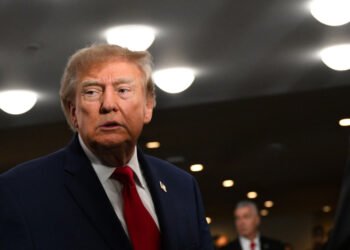
U.S. President Donald Trump has signaled that the United States will continue purchasing Canadian potash, while also expressing interest in securing a lower price from Belarus. Trump made the remarks during a bilateral meeting with Ukrainian President Volodymyr Zelenskyy on the sidelines of the United Nations General Assembly.
The comments came just one day after Trump suggested he was exploring a deal to buy cheaper potash from Belarus. His goal, he said, was to reduce American dependence on Canadian imports. However, Trump appeared to walk back the idea of replacing Canada entirely.
Stay connected to every major update — subscribe and follow us on the PhoenixQ website and across our social media platforms.
“Belarus has a lot of potash, and our farmers need good prices, and we want to get a lower price,” Trump told reporters. “We’ll continue to go with Canada, but Belarus would like to sell it for a much lower price.”
Saskatchewan Pushes Back on Belarus Deal
Saskatchewan Premier Scott Moe quickly condemned Trump’s initial remarks about sourcing potash from Belarus. Moe argued that buying Belarusian potash is unethical because Belarus actively supports Russia’s invasion of Ukraine. He noted that more than 40 countries, including Canada and its allies, have imposed sanctions on Belarus for that reason.
“Buying blood potash from Belarus is supporting Russian aggression,” Moe said. “It’s wrong and it doesn’t make sense.”
Meanwhile, Belarusian President Alexander Lukashenko acknowledged that his country cannot supply the United States with large volumes of potash. That limitation further complicates any potential shift in American sourcing.
Canada Dominates Global Potash Supply
Saskatchewan is the world’s largest producer of potash, and the United States is its biggest customer. According to the U.S. Geological Survey, the U.S. imports 79 percent of its potash from Canada. Russia accounts for 11 percent of U.S. potash imports, while Belarus supplies just three percent.
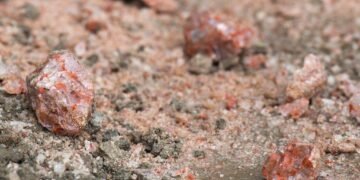
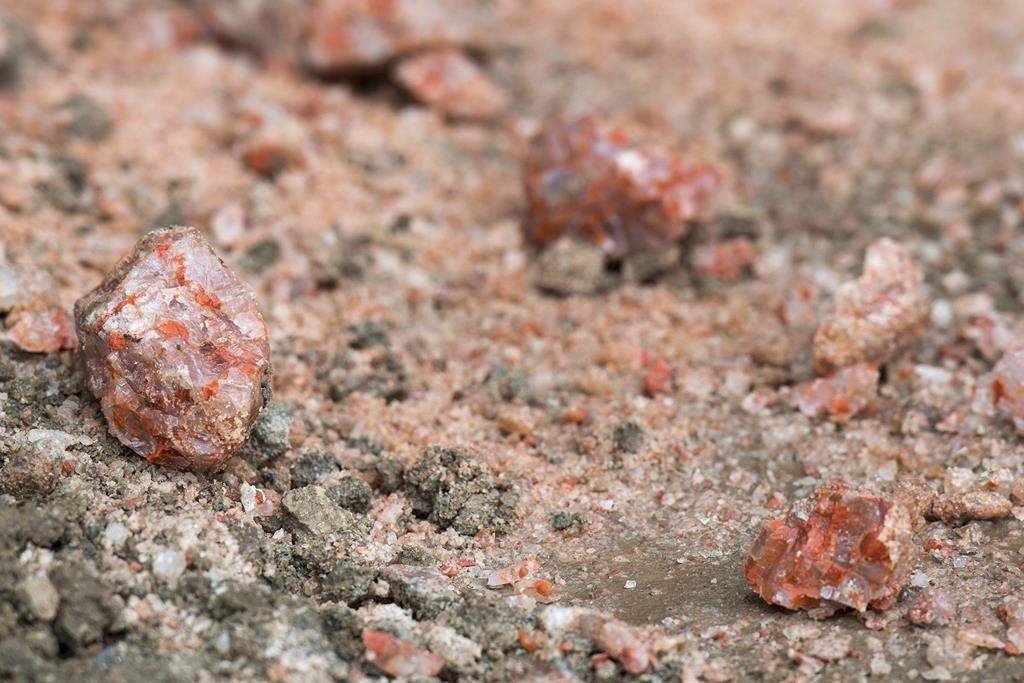
Potash consists of minerals and chemicals that contain potassium. It is a vital ingredient in fertilizer production, supporting plant growth, increasing crop yields, improving disease resistance, and enhancing water retention in soil.
The U.S. Geological Survey also states that “no substitutes exist” for potash in agriculture. That makes it a critical resource for food security, giving Canada significant leverage in any trade dispute.
Broader Trade Tensions Between Canada and the U.S.
The potash dispute sits within a wider breakdown in Canada-U.S. trade relations. Last month, trade talks between the two countries collapsed after Ottawa walked away from the negotiating table. Prime Minister Mark Carney said the U.S. had introduced last-minute demands, including restrictions on Canada entering new trade agreements with other countries.
Since then, Trump has escalated economic pressure on Canada. He has imposed multiple rounds of tariffs and introduced additional import restrictions targeting Canadian goods.
The suggestion of turning to Belarus as an alternative supplier also drew criticism on democratic grounds. Freedom House, a Washington, D.C.-based nonprofit that publishes annual assessments of democracy worldwide, describes Belarus as an authoritarian state where “elections are openly rigged and civil liberties are severely restricted.” Belarus scored just seven out of 100 on Freedom House’s freedom index. Canada, in contrast, scored 97.
For now, Trump’s latest comments suggest the U.S. has no immediate plans to abandon Canadian potash imports. However, his continued interest in lower prices from Belarus indicates that pressure on Canada’s dominant position in the American market is unlikely to ease soon.