English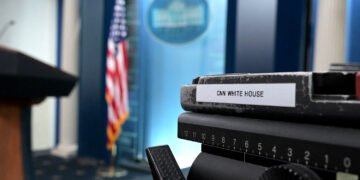
























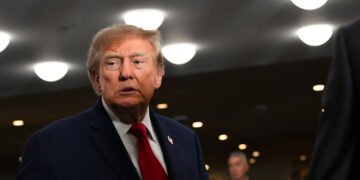







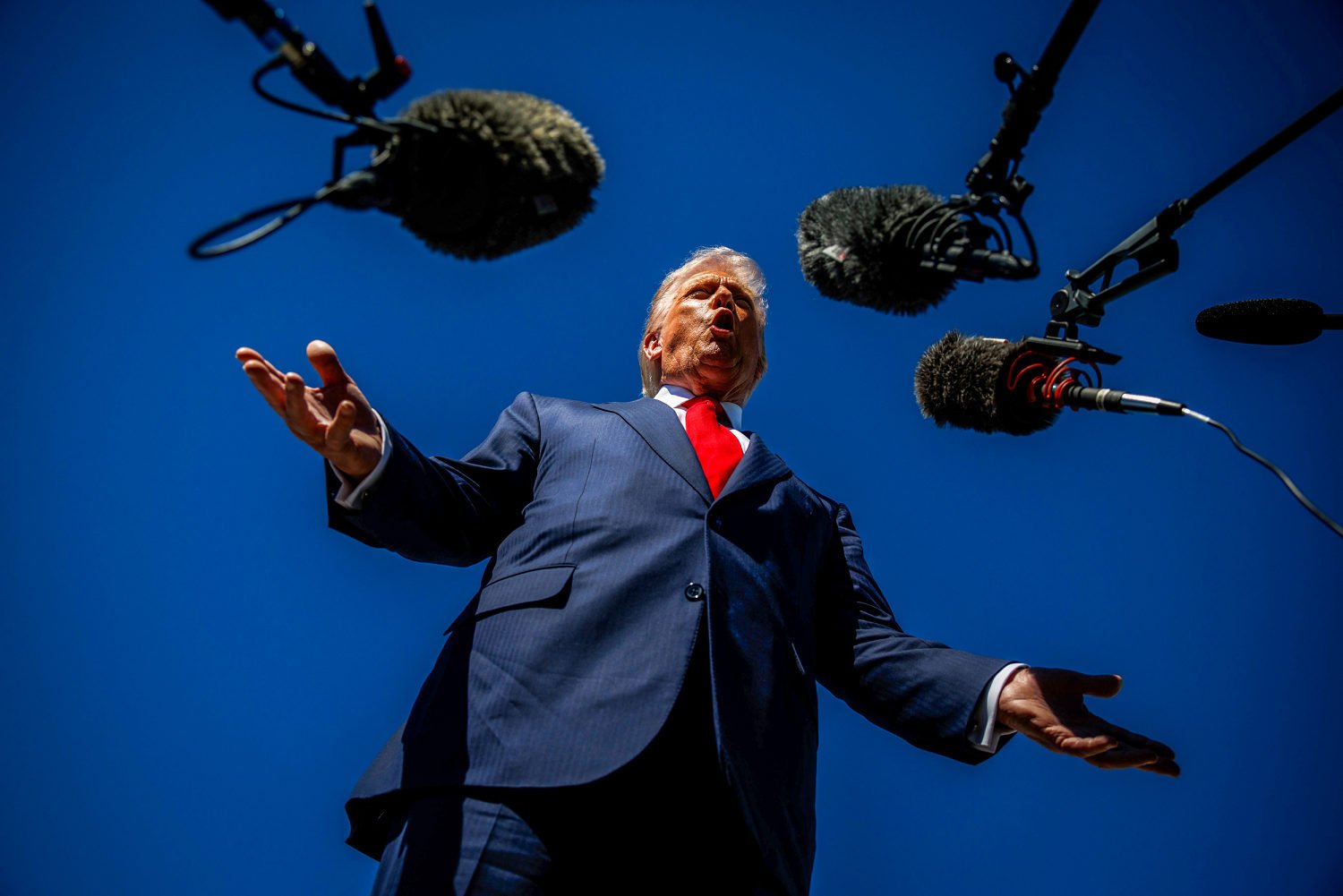
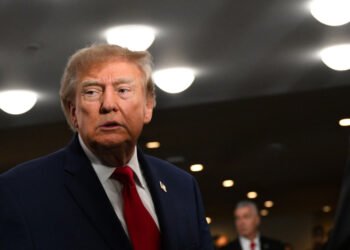
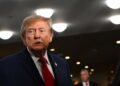
President Donald Trump’s tendency to shift rapidly between issues is frustrating Republican allies and costing his party valuable time to build a clear economic message ahead of the midterm congressional elections. Republican strategists and people who have worked with Trump say his unpredictable approach is leaving candidates struggling to keep up.
Economy Takes a Back Seat to Media Feuds
Polling consistently shows that voters care most about high prices and the cost of living. However, Trump has repeatedly steered away from those concerns and toward issues that voters rank far lower on their list of priorities.
Stay connected to every major update — subscribe and follow us on the PhoenixQ website and across our social media platforms.
The clearest example came on a recent Friday. In the hour before Trump held an Oval Office event focused on lowering prescription drug prices, he announced a ban on three news outlets from the White House grounds. The move caught some of his own staff off guard and immediately dominated the news cycle.
Rather than redirect attention back to economic policy, Trump amplified the controversy. The media ban quickly overshadowed the drug pricing event, which White House internal polling identifies as Trump’s most popular issue with voters.
“We’re less than 45 days out from the election and for the last three days no voter has heard anything about what Donald Trump wants to do to lower prices,” said Douglas Heye, a former communications director for the Republican National Committee. “That’s a problem for any Republican on the ballot.”
Republican Candidates Distance Themselves from Trump
Some GOP candidates in competitive races are now openly breaking with the president. Rep. Maria Elvira Salazar of Florida, normally a strong Trump supporter, released an ad criticizing his mass deportation agenda. Meanwhile, Republican candidates in Iowa and Michigan have spoken out against the Iran war and its effect on consumer prices.
Rep. Ashley Hinson, an Iowa Republican running a tough Senate race, called for an “immediate end” to the Iran war in a social media post. That marks a sharp reversal. Hinson had previously voted against resolutions directing Trump to halt the war on six separate occasions.
“Iowans are being squeezed and shouldn’t have to foot the bill at the pump or the checkout line for the war in Iran,” Hinson wrote. “We need to use every option at our disposal to provide some relief from high prices.”
Republican strategist Maura Gillespie put it bluntly. “The president is out there touting his new arch,” she said, referring to Trump’s plan to build a large arch near Arlington National Cemetery. “None of that addresses the gas prices being over $4. None of that addresses the younger voters who are struggling to afford their first home. None of that is landing.”
Gillespie added that Republicans need to separate their messaging from Trump and focus on constituent concerns. “That’s the only thing that’s going to get them elected,” she said.
The White House Media Ban and Its Fallout
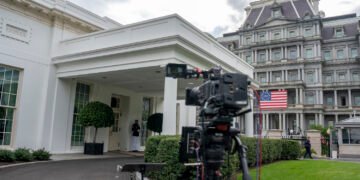
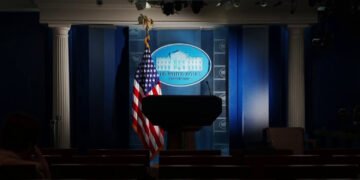
Trump announced the expulsion of CNN, MSNBC and Politico from the White House grounds, citing his dissatisfaction with their coverage. Several senior White House aides learned of the decision only after it took effect. Chief of staff Susie Wiles was not in the building when Trump made the announcement, according to a person familiar with the situation.
The confusion extended to senior officials. Vice President JD Vance appeared uncertain how to characterize the policy. Trump had specifically used the word “banning,” but Vance told reporters: “He’s not banning media outlets. What he’s doing is saying, ‘We’re not going to give you special access to the White House if you engage in what is effectively propaganda.'”
Reporters from all three outlets faced immediate consequences. MSNBC reporter Akayla Gardner, CNN’s Betsy Klein and Politico’s Cheyenne Haslett were all denied access on Saturday. Klein and Haslett both had their White House press credentials confiscated at the gate.
The ban also disrupted standard press pool operations. CNN held the TV pool rotation on Monday, but the White House blocked them from fulfilling that role. In response, the four remaining pool networks — NBC, ABC, CBS and Fox — refused to substitute for CNN. As a result, no TV pool coverage took place that day. Conservative outlet Newsmax attempted to broadcast Trump’s remarks at a ribbon-cutting ceremony, but audio failed because pool cameras were absent. “So maybe, Tim, this is one example of it backfiring just a little bit,” the Newsmax host acknowledged on air.
All three outlets filed suit against Trump on Monday. They argue the ban violates First Amendment protections and due process rights. U.S. District Judge Timothy Kelly, a Trump appointee, scheduled a hearing for Wednesday on the outlets’ motion for a temporary restraining order. This is not the first time Kelly has handled such a case. During Trump’s first term, CNN sued after the White House barred reporter Jim Acosta, and Kelly ordered the administration to restore his press credentials. The administration ultimately complied.
A Broader Pattern of Unpredictability
The media ban is part of a wider pattern of erratic messaging. In April, Trump threatened to destroy Iran’s civilization, then backed off hours later. He described Iran’s leaders as “very rational” in June, then called them “scum” in July. At the United Nations this week, Trump revived the hardline rhetoric, warning he may need to “annihilate” Iran and “drive them into hell” if the regime refuses a deal.
Also this month, Trump announced he would send every American a $5,000 check if Republicans win the midterms. A key Republican senator whose committee oversees spending told reporters he had seen no details of how the plan would work.
“He’s very unpredictable. He calls it trusting his gut,” one Republican senator told NBC News, requesting anonymity to speak candidly.
A person close to the administration noted that labor and stock markets have remained resilient during Trump’s term, though wages are lagging behind inflation. “The story no one is writing is how well the economy is doing in spite of the president’s lack of discipline,” the person said, adding that Trump, now 80, is growing “more impulsive with age.”
White House spokesman Kush Desai pushed back on that characterization. “The Trump administration has remained laser-focused delivering on the president’s long-term economic agenda on the home front,” Desai said in a statement. He cited continued private-sector job growth, rising investment and month-over-month price declines in beef, chicken, prescription drugs and other essentials.
Meanwhile, a recent run of setbacks has dampened the mood inside the West Wing. The Federal Reserve, now led by Trump’s handpicked chairman Kevin Warsh, defied the president’s wishes and raised interest rates. The Supreme Court also blocked Trump’s attempt to use the Postal Service to restrict mail-in voting ahead of the midterms. Gas prices have risen since the U.S. and Israel launched the war against Iran on February 28, fueling a slow-growing backlash within the Republican Party. Trump’s approval rating stands at 41% in a new NBC News poll, a second-term low.
The frustration has reached beyond political circles. Singer-songwriter Pat Boone, 92, released a video on X offering unsolicited advice to the president. “Right now, I feel like you’re very tired,” Boone said directly to camera. “I think you’re wearing out and you’re feeling the pressure and expressing yourself in ways that are not becoming to you — that are not presidential.” His recommendation to Trump was simple: “Be quiet.”