English





































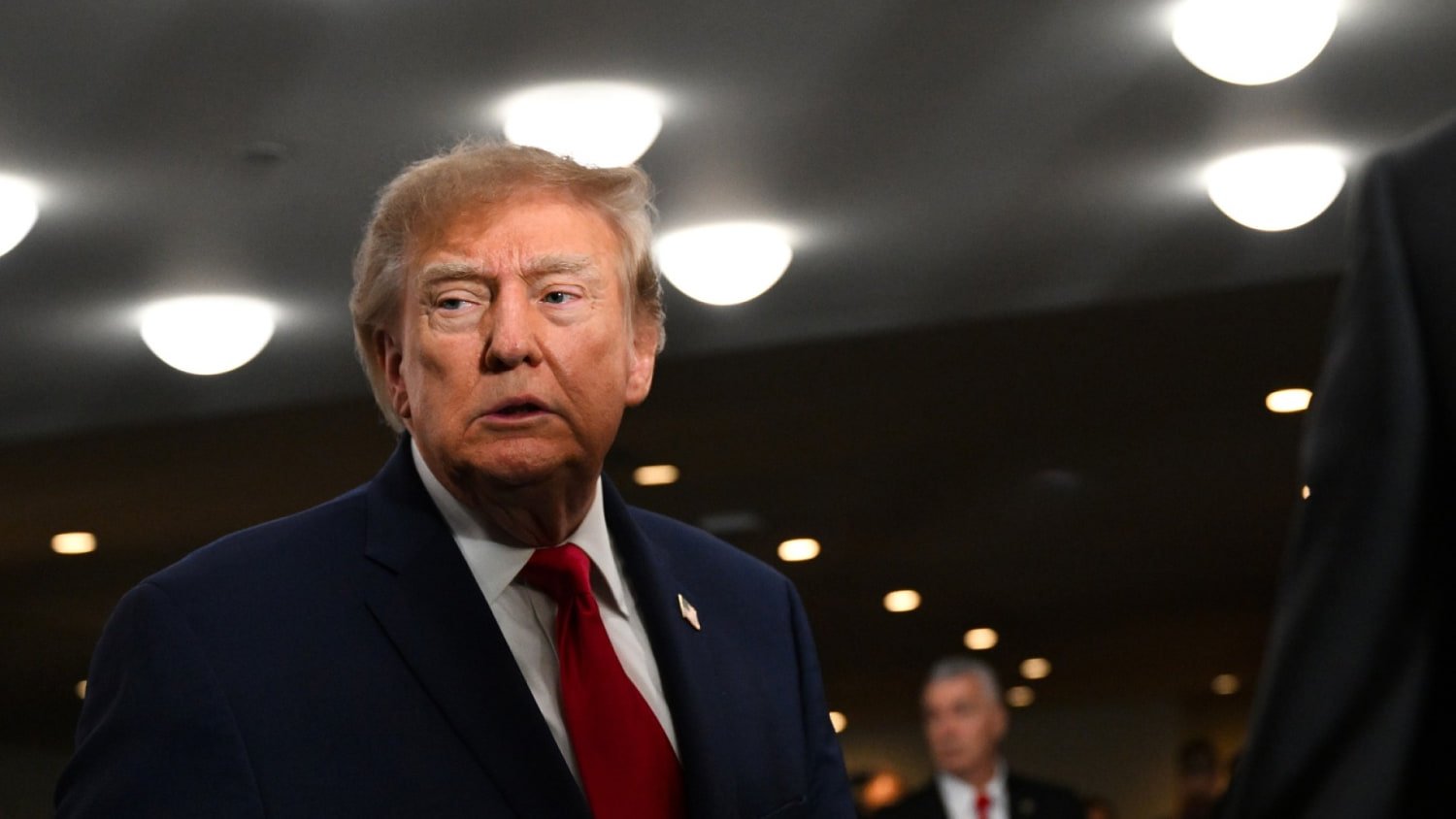
President Donald Trump declared at the United Nations General Assembly on September 22, 2026, that the United States would focus exclusively on developing artificial superintelligence. His statement drew immediate attention, arriving at a time when concerns about the potentially catastrophic consequences of advanced AI continue to grow worldwide.
Trump’s AI Superintelligence Declaration at the UN
Speaking before world leaders, Trump said the U.S. would “only encourage superintelligence” in its approach to AI development. The remark marked a significant policy signal. It suggested the administration intends to prioritize the most advanced tier of artificial intelligence rather than supporting a broader range of AI technologies.
Stay connected to every major update — subscribe and follow us on the PhoenixQ website and across our social media platforms.
The declaration came as experts and policymakers around the world debate how to manage AI development responsibly. Many researchers have warned that superintelligence — AI that surpasses human cognitive ability across all domains — carries serious and potentially irreversible risks. However, Trump’s remarks indicated no intention to slow development or impose guardrails on the technology.
Broader Context of Trump’s UN Address
Trump’s AI comments formed just one part of a wide-ranging speech at the General Assembly. During the address, he also called Iran the “bully of the Middle East.” His remarks on Iran came amid an ongoing war, raising questions about how his UN speech might affect U.S. relations with Tehran.
Trump also highlighted the capture of Venezuelan President Nicolás Maduro and referenced a subsequent oil deal with Venezuela. In addition, he described Cuba as “a failed state,” a remark that prompted the Cuban delegation to walk out of the chamber.
Meanwhile, Trump announced a deal with Denmark for what he described as “permanent control” over Greenland’s security. That announcement added to a series of bold foreign policy statements the president made during his time at the UN.
AI Policy Signals and Growing Debate
Trump’s focus on superintelligence aligns with his administration’s broader position on artificial intelligence. Earlier, he downplayed the need for guardrails on AI development. Critics argue that pushing toward superintelligence without safety measures poses serious dangers. Supporters, however, believe aggressive development keeps the United States ahead of global competitors.
The September 22 UN address therefore placed AI policy at the center of U.S. foreign policy discussion. As international debate over AI governance intensifies, Trump’s declaration that America will “only encourage superintelligence” is likely to shape how other nations respond to U.S. leadership on the issue in the months ahead.