English



































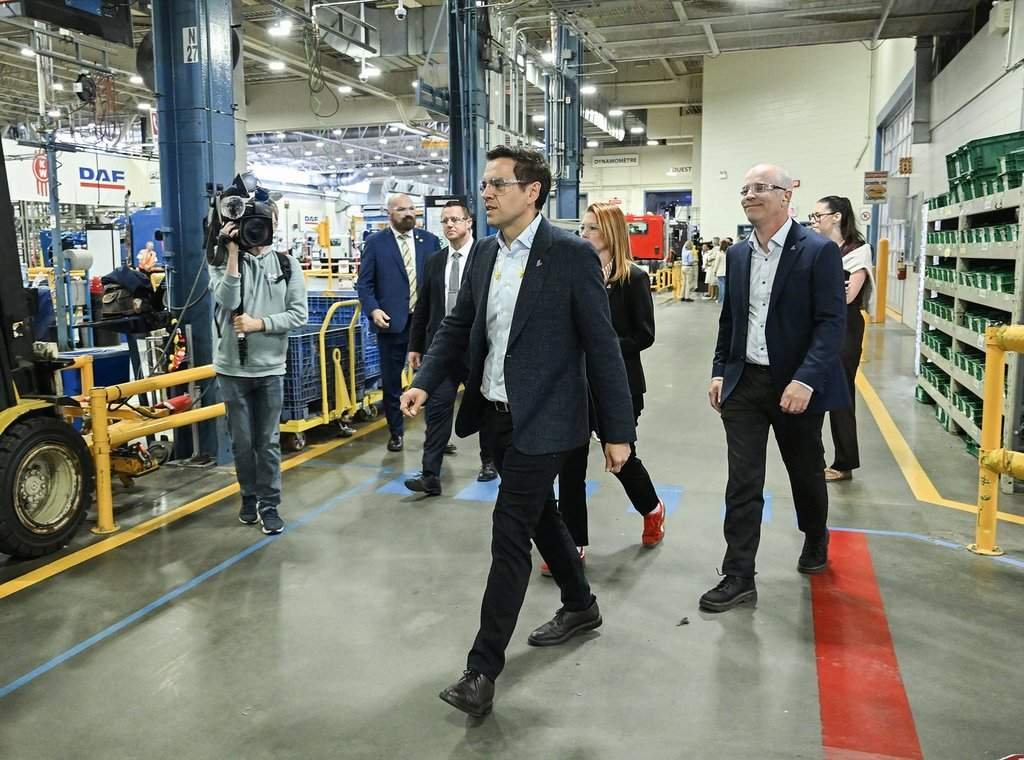
Quebec’s provincial election campaign entered its 27th day on Tuesday, with party leaders returning to the trail and preparing for a pivotal final debate just days before voters head to the polls.
Leaders from five major parties — the Parti Québécois, the Liberals, the Coalition Avenir Québec, the Conservatives and Québec solidaire — are all gearing up for the third and final televised debate. The debate takes place Wednesday in Montreal, with the provincial vote scheduled for October 5.
Stay connected to every major update — subscribe and follow us on the PhoenixQ website and across our social media platforms.
Alliance Questions Dominate the Campaign
In recent days, questions about potential post-election alliances have dominated the campaign. Several leaders raised the possibility of a coalition if no single party wins a majority. However, Parti Québécois Leader Paul St-Pierre Plamondon firmly rejected that idea on Monday.
St-Pierre Plamondon pushed back after rivals suggested his policy positions closely resemble those of Conservative Leader Éric Duhaime. He stated that an alliance between the two parties was simply not on the table.
The exchange reflects growing uncertainty about the election outcome. With less than two weeks remaining, no party appears positioned to secure a clear majority government.
Minority Government Seen as Most Likely Outcome
Poll aggregator Qc125 currently places the Parti Québécois as the front-runner in the race. Even so, the data suggests a minority government remains the most probable result on election night.
A minority outcome would force the winning party to either govern with support from rivals or negotiate a formal alliance. That prospect has made the alliance question one of the central issues of the final stretch of the campaign.
Wednesday’s debate in Montreal gives all five leaders a final major opportunity to address voters directly. It also gives them a platform to draw clear distinctions from their opponents before the October 5 vote.
Quebec voters will cast their ballots in less than two weeks. The result could reshape the province’s political landscape significantly, depending on whether any party manages to outperform current polling projections.