English





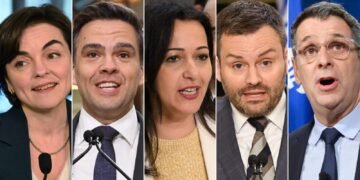


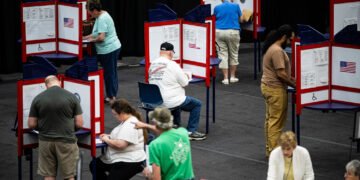


























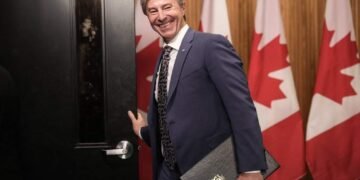


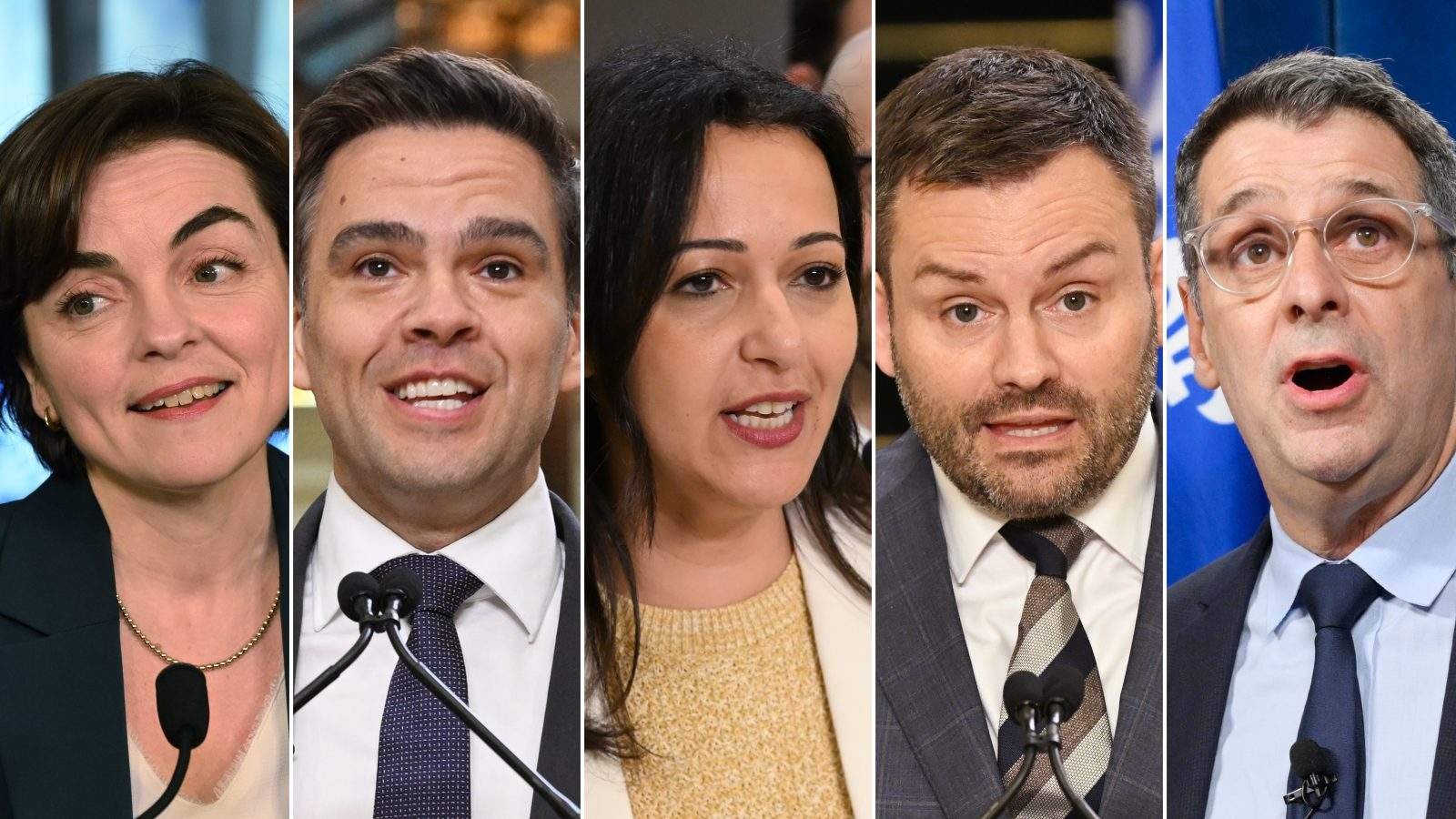
Quebec voters cast their ballots Monday in a provincial election that has placed the separatist Parti Québécois firmly at the front of the race. After a 39-day campaign covering issues from sovereignty and immigration to affordability and fiscal policy, five party leaders made their final appeals to the public as results began rolling in.
PQ Leads the Race but Majority Remains Uncertain
Throughout the campaign, PQ leader Paul St-Pierre Plamondon consistently led in the polls. The latest Leger survey for Journal/TVA Nouvelles put the PQ at 29 per cent support. Among francophone voters, the party holds a 16-percentage point advantage over its rivals.
Stay connected to every major update — subscribe and follow us on the PhoenixQ website and across our social media platforms.
St-Pierre Plamondon ran an aggressive campaign, targeting voters frustrated with eight years of Coalition Avenir Québec governance. He described the CAQ’s record as producing “catastrophic results.” According to the same Leger poll, 77 per cent of Quebec voters want a change in government.
A central PQ promise is a sovereignty referendum in 2029. However, St-Pierre Plamondon has assured Quebecers the vote will not happen while U.S. President Donald Trump remains in office. Despite the PQ’s strong polling numbers, support for Quebec sovereignty itself remains low, with federalists holding the advantage on that specific question.
Whether the PQ can secure a majority in the National Assembly remains unclear. The party has not held government since 2014. Still, St-Pierre Plamondon has significantly raised its profile during this campaign.
Fiscal Policy Takes Centre Stage
Quebec’s finances emerged as a major issue during the campaign. The province recorded a deficit of $7.2 billion in the last fiscal year. Voters along the campaign trail repeatedly raised concerns about affordability, homelessness, immigration, language policy and economic uncertainty tied to the United States.
The PQ promised to address the deficit directly. PQ candidate and economist Marceau said a PQ government would reduce overall spending, lower business taxes and cut subsidies to multinational corporations. The party also committed to balancing the provincial budget by 2028–29.
Meanwhile, CAQ leader Christine Fréchette argued her government needed time to recover from poor financial planning and debt left by the Liberals before 2018. She campaigned on affordability, health care and support for families and seniors, including promises of more funding for home care and school-related expenses.
CAQ Faces a Difficult Campaign
Fréchette took over the CAQ leadership just six months before the election. She described her offer to voters as a change in leadership without a change in government, promising to “move forward through the storm.”
Her campaign, however, faced repeated setbacks. Controversies included the issuance of French-only voter cards and an unsubstantiated claim about foreign interference in the election. Support for the CAQ dropped sharply during the 39-day campaign, falling 10 points to just 14 per cent, according to Leger.
Former politicians and experts used the term “glass cliff” to describe Fréchette’s position, suggesting she assumed leadership at a time when the party already faced a high risk of failure. Despite the difficult circumstances, Fréchette said she intends to remain as CAQ leader regardless of the election outcome.
Fréchette also argued that St-Pierre Plamondon’s referendum plans would destabilize the province and strain its economy. She framed her real opponent not as the PQ, but as President Trump, saying the CAQ would defend Quebec’s interests during ongoing trade negotiations with the United States.
Other Parties Compete for Voter Attention
Quebec Liberal Party leader Charles Milliard steadily gained ground throughout the campaign. Leger polling placed Liberal support at 25 per cent by election day. Milliard, who has never held elected office, was largely unknown to voters at the start of the campaign. Over the following weeks, he built a following, particularly among English-speaking Quebecers.
Milliard positioned himself as the only federalist candidate in the race. On Sunday, he urged voters opposed to a sovereignty referendum to vote strategically for the Liberals. His campaign focused on the Quebec economy, support for business owners, education, internships and a proposed commission on mental health.
Conservative leader Éric Duhaime also gained momentum during the campaign, reaching 20 per cent support in the Leger poll. He campaigned on large tax cuts and reducing the size and cost of government. If the PQ wins a minority government, Duhaime promised to use any balance-of-power position to block a sovereignty referendum. In 2016, Duhaime faced backlash for comments considered Islamophobic and sexist. His support is strongest among men and voters aged 35 to 54.
Québec Solidaire candidate Ruba Ghazal, who co-founded the party 20 years ago, recorded the lowest support of the five leaders. Nevertheless, her party expects to win seats in the National Assembly. Ghazal, who moved to Canada from Beirut at age 10, promotes an inclusive vision of Quebec autonomy. She argued that independence should appeal to anglophones and immigrants alike. Her support is strongest in Montreal. She urged voters not to cast strategic ballots, saying Quebecers should “vote with their hearts.”