English








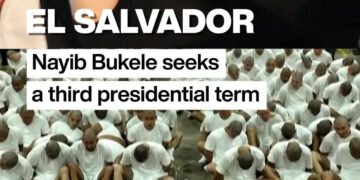

































El Salvador’s President Nayib Bukele is moving to secure a third term in office after engineering constitutional changes that removed presidential term limits. The self-described “coolest dictator on earth” has built enormous public support through his aggressive crackdown on gang violence, though his methods have drawn sharp criticism from human rights groups.
Constitutional Changes Clear the Path
Bukele pushed through amendments to El Salvador’s constitution to eliminate restrictions on how many terms a president can serve. The changes effectively opened the door for him to remain in power beyond what the original constitution allowed. Critics argue the move undermines democratic institutions and concentrates power in the hands of one leader.
Stay connected to every major update — subscribe and follow us on the PhoenixQ website and across our social media platforms.
However, Bukele remains broadly popular among Salvadorans. Many citizens credit him with transforming a country once paralyzed by gang violence into a significantly safer place to live. His approval ratings have consistently ranked among the highest of any leader in Latin America.
Gang Crackdown Drives Popularity
Bukele launched a sweeping anti-gang campaign that resulted in the mass arrest of tens of thousands of suspected gang members. The operation dramatically reduced homicide rates across the country. As a result, many Salvadorans feel safer in their communities than they have in decades.
At the same time, the crackdown triggered serious concerns about human rights violations. Organizations monitoring the situation reported widespread arbitrary detentions, overcrowded prisons, and allegations of abuse inside detention facilities. Critics say due process rights were routinely ignored during the mass arrests.
A Polarizing Figure on the World Stage
Bukele embraces controversy and often courts attention with provocative statements. His self-applied label of “coolest dictator on earth” reflects a style that blends populist politics with social media savvy. While some admire his boldness, others see the rhetoric as a warning sign about the direction of democracy in El Salvador.
International observers and democratic watchdog organizations have raised alarms about the erosion of checks and balances under his leadership. Despite this, Bukele shows no signs of stepping back. Instead, he is pressing forward with his bid for a third term, betting that his popularity with ordinary Salvadorans will carry him through.