English
































France’s media regulator, Arcom, has announced plans to monitor prominent YouTubers and online content creators for political bias ahead of the country’s presidential election next year. The move marks a significant expansion of Arcom’s existing powers over broadcast media.
A Growing Influence on Young Voters
Arcom has traditionally overseen news channels and radio stations during French elections. Its role includes ensuring that all presidential candidates and parties receive fair airtime. However, the regulator now recognises that online creators often reach larger audiences than traditional media outlets, particularly among younger viewers.
Stay connected to every major update — subscribe and follow us on the PhoenixQ website and across our social media platforms.
“There’s a new phenomenon, it’s here and it’s massive,” Arcom president Martin Ajdari said at a press conference in Paris. He stressed that the regulator would focus only on the most significant French video creators, and that audio-only podcasters would not fall under the new rules.
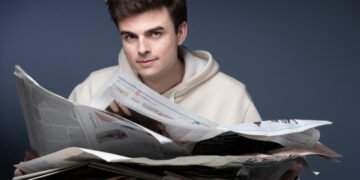
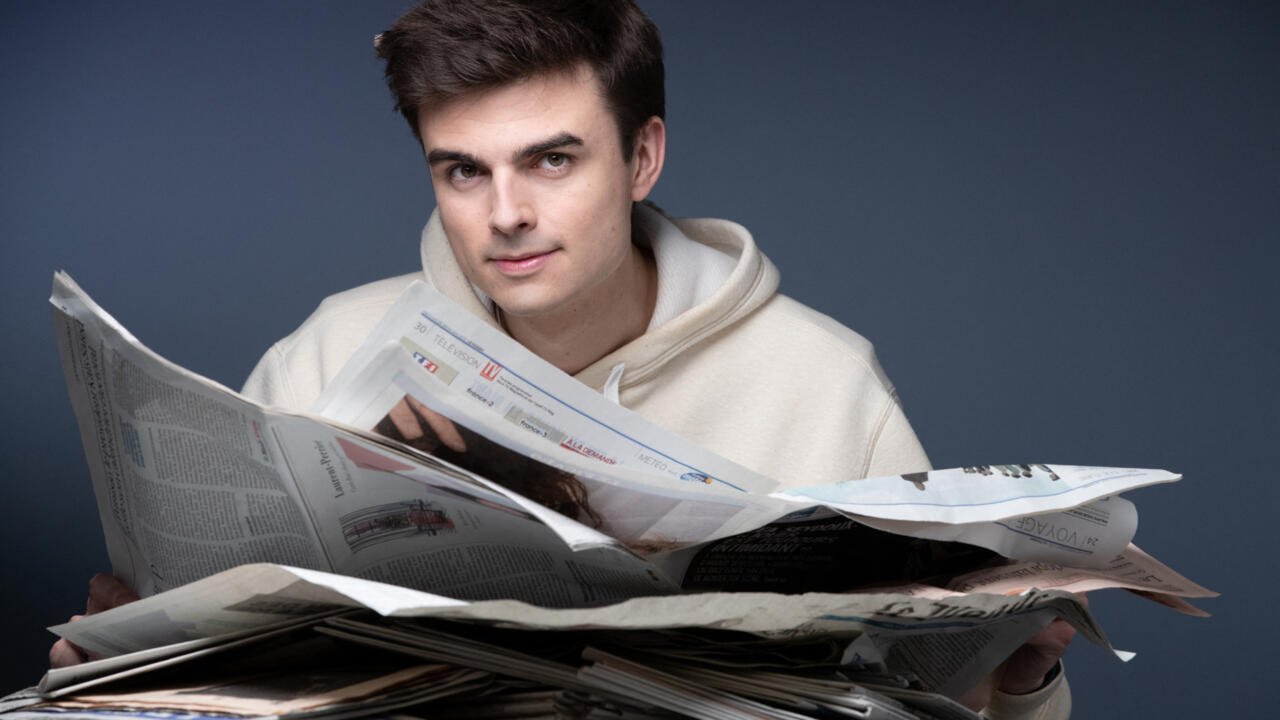
Among those likely to be monitored are current affairs YouTuber HugoDecrypte, whose real name is Hugo Travers, and interview show host Guillaume Pley. Research from the Reuters Institute found that HugoDecrypte has become the single most important news source for younger audiences, reaching more than a quarter of all people under 35. Meanwhile, Guillaume Pley has 3.8 million subscribers on YouTube and has already announced plans to interview presidential candidates next year.
Election Timeline and Fairness Rules
France heads to the polls on April 18 and May 2 to elect a new president. Far-right leader Marine Le Pen currently leads in the polls, followed by Jean-Luc Mélenchon, who has become a favourite among younger voters. Parliamentary elections are also expected to follow, likely in June.
Under Arcom’s existing rules, presidential candidates must receive airtime proportional to their projected vote share during the first phase of campaigning. However, from April 5 to April 30, all candidates must receive equal treatment. These standards will now also apply to monitored online creators.
“This issue arises in very concrete terms for creators whose audiences exceed those of traditional television channels,” Ajdari added.
France’s Broader Push to Regulate Online Content
This latest step builds on France’s established reputation as a leader in online regulation. In 2023, the country passed legislation introducing possible prison sentences and fines for influencers who fail to declare paid promotions or advertise fraudulent products.
The decision to extend election monitoring to YouTubers and video creators reflects a broader shift in how political information reaches voters. As digital platforms continue to grow, regulators across Europe are increasingly looking at ways to apply traditional media standards to online content. France’s approach may set a precedent for other countries facing similar challenges ahead of major elections.