English














































The United States is threatening to ban diesel fuel exports to parts of Europe unless key countries release more of their national diesel reserves. The move aims to ease surging fuel prices ahead of the U.S. midterm elections, according to reports from Reuters and Politico. The threat adds new pressure on Germany and France, which U.S. officials believe have not fully honored earlier commitments to release emergency oil stocks.
Export Ban Threat Follows Trump’s Earlier Warning
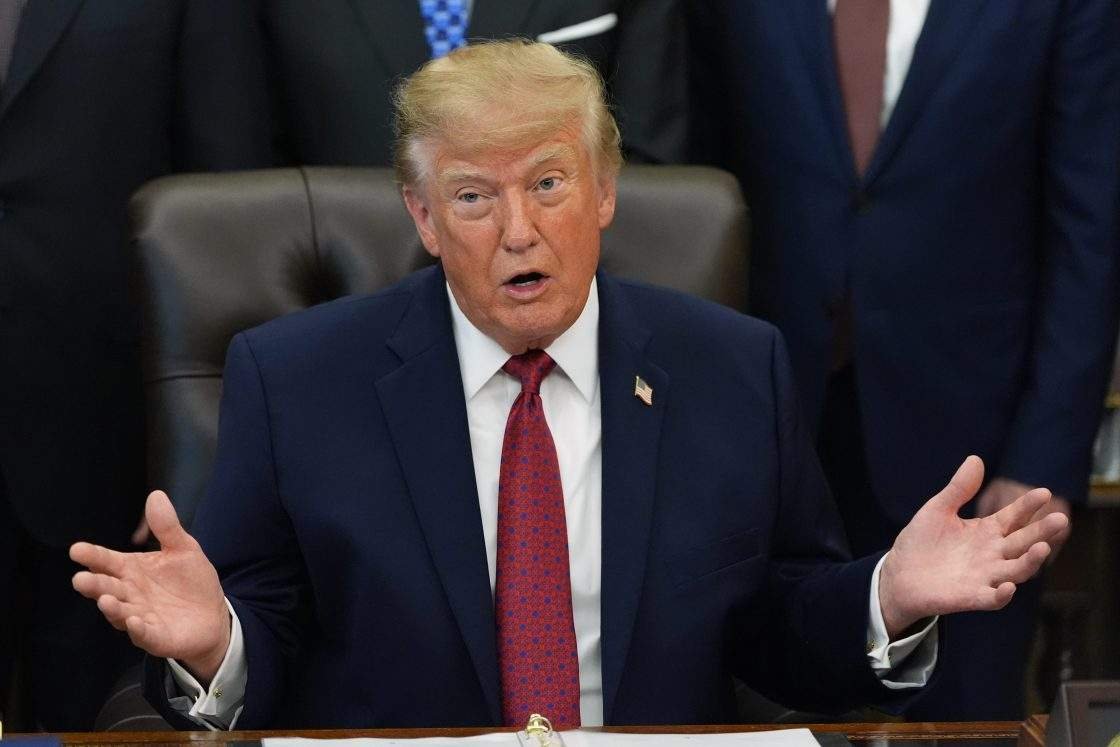
Last week, President Donald Trump said his administration was considering a temporary ban on all U.S. diesel exports. The proposal drew strong opposition from industry groups and energy economists. Critics warned it could cause long-term economic damage, even if it offered some short-term price relief.
Stay connected to every major update — subscribe and follow us on the PhoenixQ website and across our social media platforms.
Meanwhile, U.S. Energy Secretary Chris Wright told reporters on Wednesday that Washington expected Europe to announce new diesel supply measures soon. “We’ve lost some diesel exports from the Middle East, although we’re restoring those, and we’ve lost diesel exports from China,” he said. “So that’s a lot of interruptions.”
A U.S. official told Reuters that cooperation was clearly in Europe’s interest. “It is in Europe’s best interest to work with the United States as we pursue multiple pathways to boost the supply of refined products and lower costs for consumers,” the official said.
Europe Asked to Release 120 Million Barrels
A source based in a European capital told Reuters that the U.S. has asked the European Union to release 120 million barrels of diesel over the next six months. In response, the European Commission held a call on Thursday with officials from Germany, France, Italy, Ireland and Britain. The discussion focused on the possible need to release diesel stocks.
Germany’s economy ministry did not respond to a request for comment. France’s energy ministry declined to comment.
Global Supply Disruptions Drive Prices Higher
Several major disruptions have tightened global diesel supplies in recent months. A joint U.S. and Israel attack on Iran in February sparked a wider Middle East conflict. As a result, the Strait of Hormuz shipping channel has been nearly completely blocked. The war in Ukraine has also cut diesel exports from Russia and other nations, adding further pressure to global supply chains.
The United States is the world’s largest producer and supplier of diesel fuel, followed by Russia and Saudi Arabia, according to the International Energy Agency. Diesel is essential across industrial, agricultural and logistics sectors. It powers trucks, tractors, ships and trains, and also supports electricity generation in remote areas.
Although releasing strategic reserves could help lower prices in the short term, analysts caution that those stockpiles must eventually be replenished. That process increases long-term oil demand. When supply is limited and demand stays high, prices typically rise further.
Record Fuel Prices Hit Consumers in the U.S. and Canada
Diesel prices have been hovering near record levels for several weeks. In the United States, the national average price for diesel reached US$6.39 per gallon, according to the American Automobile Association. That compares to $3.71 a year ago. Last week, prices hit an all-time high of $6.53 per gallon.
In Canada, the national average for diesel fuel sits at around C$2.60 per litre, according to Natural Resources Canada. That is up from $2.35 last month and roughly $1.54 a year ago. Regular gasoline also climbed, with the Canadian national average reaching about $1.75 per litre, compared to $1.71 last month and $1.35 a year ago, according to the Canadian Automobile Association.
Both Canadian consumers and businesses have felt the impact of rising fuel costs since the conflict with Iran began earlier this year. Prices for fuel and other energy commodities have surged worldwide amid ongoing geopolitical tensions, and further volatility remains possible as supply and policy conditions continue to shift.