English
































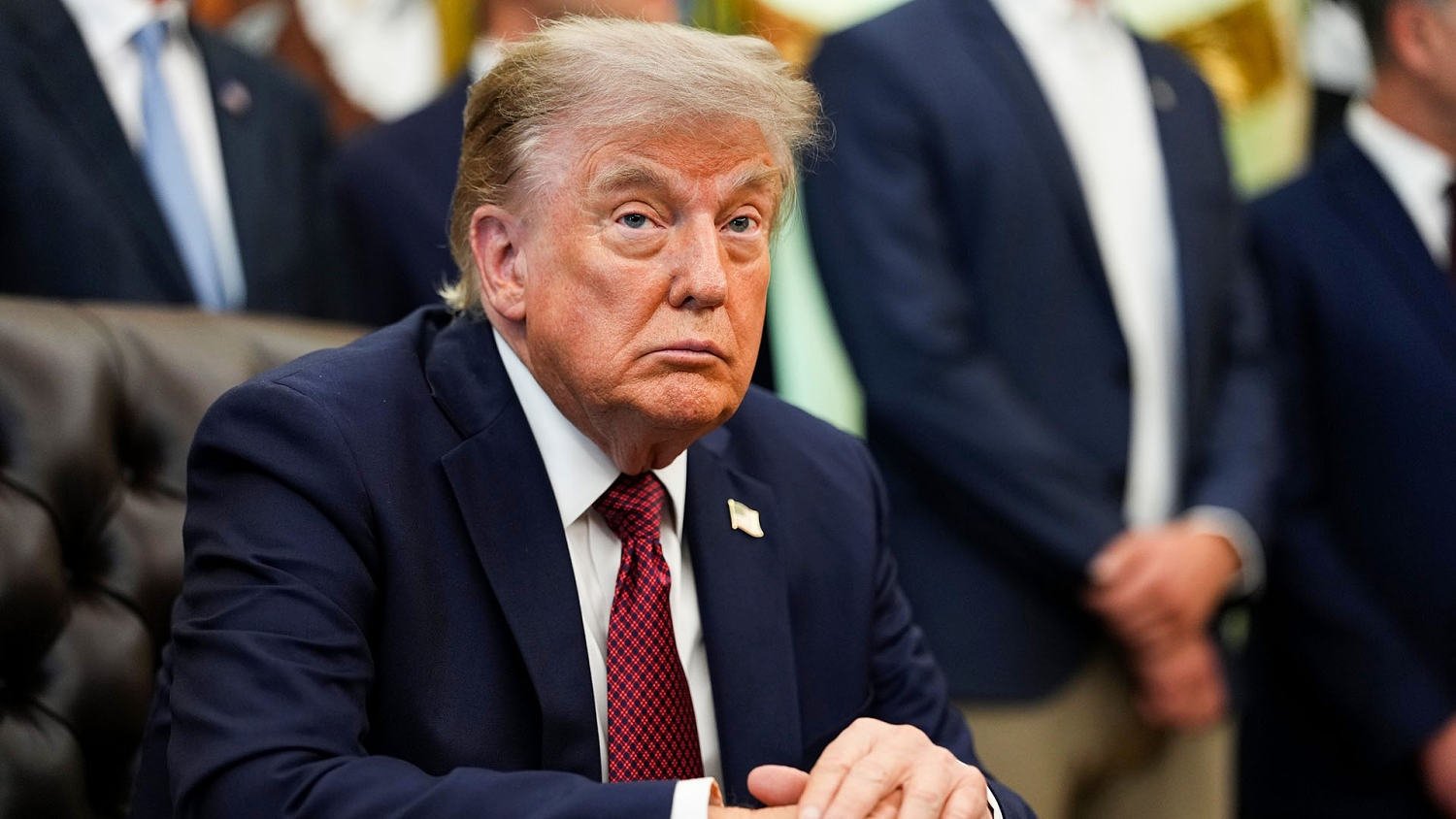
President Donald Trump dismissed concerns about the dangers of artificial intelligence on September 15, 2026, calling them a hoax and pushing back against growing calls from lawmakers to regulate the technology.
Trump Calls AI Threat a Hoax
During a surprise on-stage phone call with Nvidia chief Jensen Huang, Trump made his position clear. “The robots will not be taking over,” the president said. “The whole thing is a hoax.”
Stay connected to every major update — subscribe and follow us on the PhoenixQ website and across our social media platforms.
Rather than treating AI as a threat, Trump framed the global competition over artificial intelligence as a race to be won. His comments stand in sharp contrast to the mood among many lawmakers, who argue that guardrails against AI are now urgently needed.
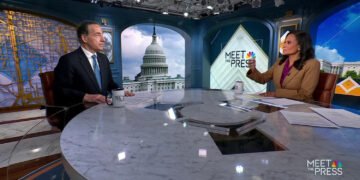
NBC correspondent Hallie Jackson reported on Trump’s remarks for TODAY on September 15, 2026. The report highlighted the growing divide between the president’s position and the concerns raised by members of Congress on both sides of the aisle.
Lawmakers Push for AI Regulation
While Trump continues to downplay AI risks, many legislators are moving in the opposite direction. A growing number of lawmakers say the technology poses real dangers. They are calling for federal rules to govern how AI systems are developed and used.
The debate over AI regulation has intensified in recent months. Supporters of oversight argue that unchecked AI development could carry serious consequences for jobs, national security and public safety. However, Trump shows no sign of softening his stance.
Instead, the president appears focused on ensuring the United States leads the world in AI development. His call with Jensen Huang, the head of one of the world’s most influential chip manufacturers, underscored that competitive framing. Nvidia plays a central role in powering AI systems globally, making Huang a key figure in the broader AI conversation.
A Widening Political Divide
Trump’s dismissal of AI dangers puts him at odds with a significant portion of Washington. Furthermore, it signals that the White House is unlikely to support major AI regulation in the near term.
As the debate continues, the gap between the administration and pro-regulation lawmakers appears to be widening. For now, Trump’s message remains consistent. He sees artificial intelligence not as a threat to manage, but as a competition to win.