English














































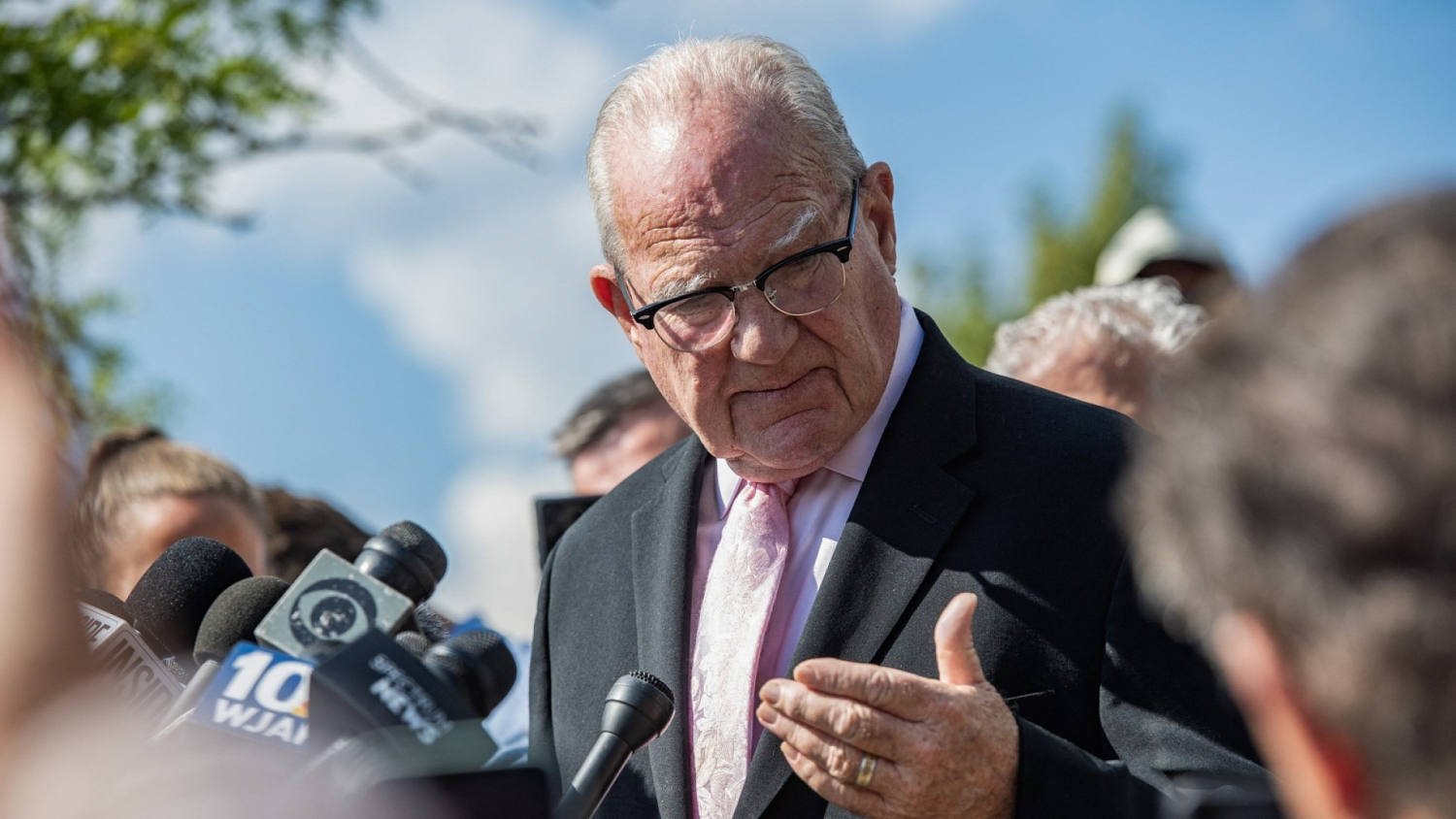
Lindsay Clancy’s defense attorney has publicly called on President Donald Trump to issue a federal pardon for his client, speaking out for the first time since her state murder trial ended in a mistrial. The request, made by attorney Kevin Reddington, has raised immediate legal questions about whether such a pardon is even constitutionally possible.
Mistrial Sets the Stage for Pardon Request
The Lindsay Clancy murder case concluded without a verdict after jurors failed to reach a unanimous decision. The judge declared a mistrial following the deadlock, leaving open the possibility of a retrial. Reddington, who previously praised his client as “brave” following what he described as a “sad case,” used the moment to make his public appeal to the president.
Stay connected to every major update — subscribe and follow us on the PhoenixQ website and across our social media platforms.
NBC News legal analyst Danny Cevallos has outlined the significant legal limitations surrounding the request. A presidential pardon applies only to federal offenses. Clancy faced charges under state law, which means a Trump pardon would carry no legal authority over her case.
The Legal Barrier to a Presidential Pardon
Under the U.S. Constitution, the president holds broad pardon power — but only for federal crimes. State criminal cases fall entirely under the jurisdiction of state governments. No president can override a state prosecution through the federal pardon process.
This distinction makes Reddington’s request legally unenforceable, regardless of whether Trump chose to act on it. Only the governor of Massachusetts would hold the authority to grant clemency in a state-level case like Clancy’s. A federal pardon from Trump would have no effect on any potential retrial she may face.
What Comes Next for Lindsay Clancy
Following the mistrial declaration, prosecutors indicated they intend to continue pursuing justice in the case. The district attorney’s office confirmed it would seek to retry Clancy. Legal analysts have noted that the jury’s vote breakdown will likely shape the prosecution’s strategy going forward.
The question of whether and when a retrial might take place remains unresolved. Reddington’s pardon appeal, while unlikely to produce a legal outcome, keeps the Lindsay Clancy case in the public spotlight as both sides prepare for what may come next. The case, which drew widespread national attention, now enters a new and uncertain legal phase.