English







































A deadly anthrax outbreak in northeastern Zambia has killed at least 50 wild animals and infected 12 people, prompting authorities to issue urgent public health warnings across the region. Officials are urging residents to avoid consuming, handling, or distributing meat from wild animals as the situation continues to develop.
Animals Dead, Dozens at Risk
The outbreak struck Muchinga Province, where 46 hippos, five buffaloes, eight elephants, and one crocodile have died. Authorities confirmed that local people consumed carcasses from the dead animals. As a result, 12 individuals contracted anthrax and are currently receiving treatment.
Stay connected to every major update — subscribe and follow us on the PhoenixQ website and across our social media platforms.
Norman Chipakupaku, National Coordinator for the National Disaster Risk Management Division, provided an update over the weekend. He confirmed the death toll and noted that officials expect the number of human infections to rise. However, he offered some reassurance. “The good news is that nobody has died,” he said.
Zambia’s National Disaster Risk Management Division formally alerted the public last week to a “reported outbreak of suspected anthrax cases and environmental pollution in Muchinga Province.” The government deployed an aircraft and Ministry of Health personnel to the area to conduct further testing and treat affected patients. Veterinary experts and police officers are also actively investigating the outbreak.
Government Response and Safety Measures
Authorities have moved quickly to contain the spread. Police roadblocks are now in place to stop vehicles that may carry contaminated meat out of the affected area and into larger markets. In addition, hunting has been temporarily suspended in the region until a full investigation is complete.
The government warned the public not to slaughter live animals or butcher animals found dead. Officials also advised people to avoid contact with blood, tissues, or other materials from animals suspected of carrying the disease. Anyone who notices unusual or unexplained animal deaths should report them immediately to veterinary, health, or disaster management authorities.
“The Government, through the Provincial and District Disaster Risk Management structures, has undertaken assessments to establish the extent of the outbreak and put in place measures aimed at containing the situation, protecting communities and safeguarding livelihoods,” the National Disaster Risk Management Division stated.
What Is Anthrax?
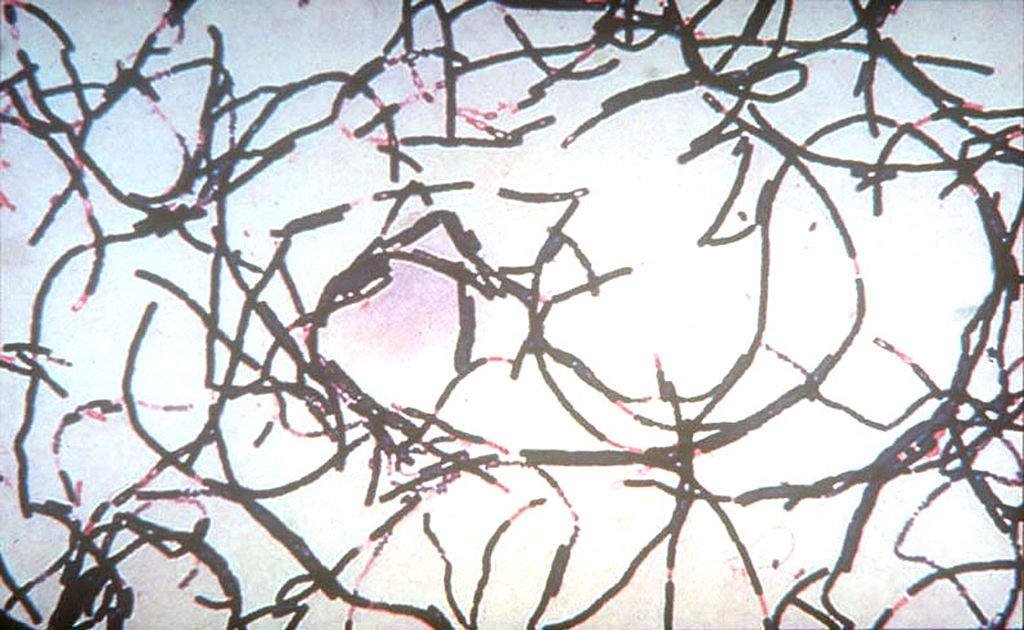
Anthrax is a serious infectious disease caused by a spore-forming bacterium called Bacillus anthracis. The bacteria survive in soil and primarily affect grazing animals. Animals become infected when they consume dormant spores from the ground. People most commonly contract the illness by eating meat from infected animals.
According to the Centers for Disease Control and Prevention, humans can also contract anthrax through a cut or scrape in the skin, by breathing in spores, or by consuming contaminated food or water. Anthrax occurs naturally in soil around the world and does not require human involvement to spread.
Symptoms vary depending on how a person is exposed. They can range from small itchy bumps or blisters to flu-like symptoms such as fever, coughing up blood, shortness of breath, confusion, or dizziness, according to the Cleveland Clinic. Inhaled anthrax spores can make people very sick very quickly. Furthermore, an outbreak may go undetected until medical professionals begin seeing large numbers of patients with similar symptoms.
Beyond natural outbreaks, anthrax has also been used in bioterrorism. In 2001, powdered anthrax was mailed to media organizations and the offices of U.S. senators in Washington, D.C., and Florida. That attack killed five people and made 17 others ill. Unlike many biological threats, anthrax spores are difficult to detect because they are nearly impossible to see, smell, or taste.
The Zambia anthrax outbreak remains under active investigation. Officials continue to monitor the situation closely and have urged the public to follow all safety guidance until authorities declare the area safe.