English











































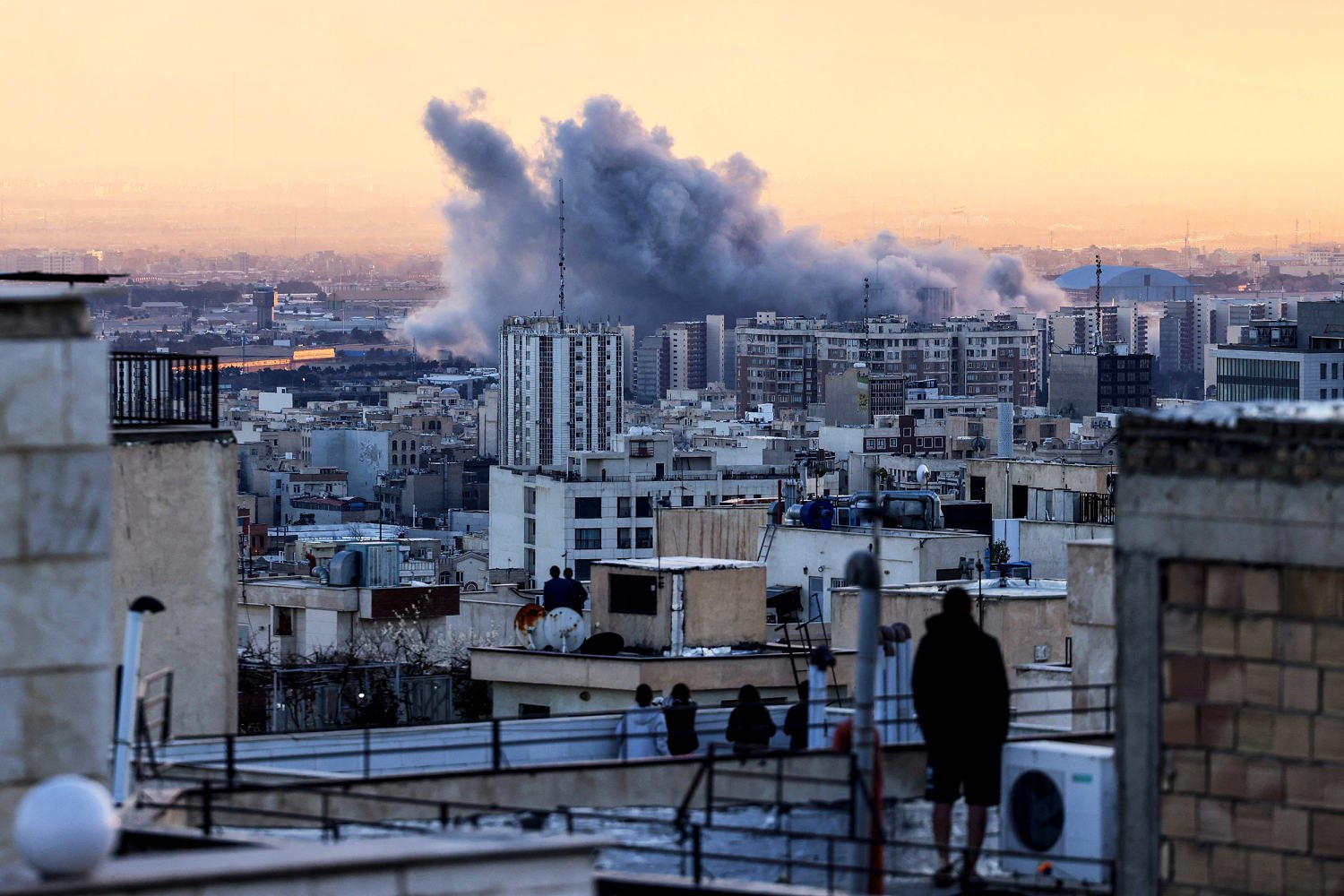
The Pentagon’s internal watchdog has warned that the U.S. war with Iran has created serious munitions shortfalls and supply chain disruptions, according to the first inspector general report on the conflict. The report, released Monday, covers the period from February 28 through June 30 and offers one of the most detailed public accountings yet of the war’s financial and operational toll on the U.S. military.
Munitions Shortfalls and Supply Chain Strain
The inspector general found that the conflict has produced a shortage of key munitions and “bottlenecks” in supply chains. In response, the Pentagon is working to streamline procurement, reduce production lead times, and stockpile critical materials and components.
Stay connected to every major update — subscribe and follow us on the PhoenixQ website and across our social media platforms.
Defense Secretary Pete Hegseth has denied reports that U.S. munitions stocks are running low. President Donald Trump also pushed back on Monday, posting on Truth Social that the U.S. is “producing more Exquisite and Elite Weapons than at any time in our History.” Two weeks earlier, Trump posted that the U.S. had “virtually unlimited” ammunition and rejected reports of any shortfall.
However, the inspector general’s findings contradict those assurances. The report documents the destruction of at least 30 large U.S. drones and significant damage to aircraft and other military equipment during the first four months of the war.
War Costs Reach Tens of Billions
The report estimates the war has cost roughly $33.4 billion. That figure includes $22.3 billion in expended munitions, $3.7 billion in equipment losses, and $7.4 billion in other expenditures. It does not account for repairing damaged facilities.
Those numbers are considerably lower than other estimates. NBC News reported in July that three U.S. officials and three people familiar with internal cost estimates put the total between $80 billion and $100 billion. The Pentagon publicly stated in July that the war had cost $37.5 billion, though that figure also excludes aircraft replacement, base repairs, and weapons replenishment.
Aircraft losses alone were substantial. The report lists the destruction or extensive damage of four F-15E jet fighters, one F-35A Joint Strike Fighter, one A-10 Warthog, twelve KC-135 refueling aircraft, and nine additional aircraft. More than 30 MQ-9 drones had also been destroyed by June, citing figures from the Congressional Research Service.
Iran Targeted U.S. Bases and Diplomatic Facilities
The report provides one of the first official government confirmations that Iran targeted the U.S. Navy’s main logistics hub in Bahrain using drones and ballistic missiles. NBC News had previously reported in April that the damage to U.S. military bases was far more extensive than publicly acknowledged.
In addition, the State Department sustained more than $208 million in damage across four countries: Iraq, Kuwait, Saudi Arabia, and the United Arab Emirates. That total includes $184 million in damage to diplomatic facilities and $25 million in losses from construction delays.
Meanwhile, U.S. forces flew as many as 5,000 flights from European bases in support of the war effort. Trump has repeatedly criticized European allies for not contributing enough to the conflict.
Personnel Displaced, Troops’ Morale Not Addressed
The war has displaced more than 20,000 U.S. military and diplomatic personnel, who were relocated at the start of the conflict and in the weeks that followed. Most injured U.S. forces received initial medical evaluations on the ground, sometimes by local ambulances, and were treated at local facilities after airlift capabilities were moved due to security concerns.
The report does not address troop morale, despite growing concerns about conditions for service members deployed to the region. In recent weeks, reports emerged of deteriorating conditions aboard the USS Abraham Lincoln during an extended deployment. The Pentagon subsequently announced it would replace the carrier. The Lincoln is currently en route to its home port in San Diego following a stop in Thailand.
The report also does not address what NBC News and others have described as a likely U.S. strike on an elementary school in Iran during the opening hours of the conflict. The military has not yet released an internal investigation into that incident. NBC News reported in June that a report was being finalized.
Trump initially said the war would last only weeks. Over the weekend, however, he suggested it might not end until after November’s midterm elections, or possibly just before. The Pentagon did not immediately respond to a request for comment on the inspector general’s findings.