English






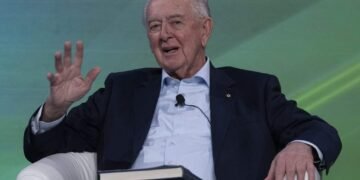









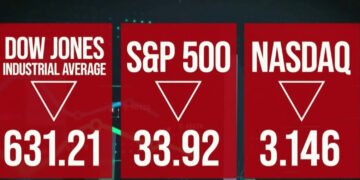
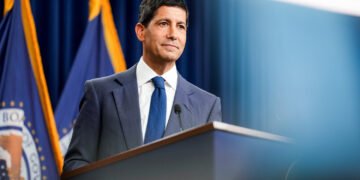

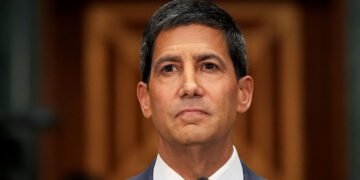


















The United States Federal Reserve raised interest rates in a move aimed at tackling persistent inflation. Fed Chair Kevin Warsh, appointed by President Donald Trump, led the decision. The rate increase marks a significant step in the central bank’s ongoing effort to bring inflation under control.
Trump Backs Fed Chair’s Independence
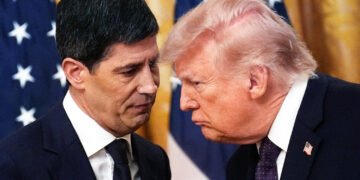
President Trump responded to the rate hike by expressing confidence in Warsh. Trump said he wants the Fed chair to operate independently. The statement is notable, as presidents have historically faced pressure to avoid publicly influencing central bank decisions.
Stay connected to every major update — subscribe and follow us on the PhoenixQ website and across our social media platforms.
Trump’s remarks suggest he supports Warsh’s approach, even as the rate increase may affect borrowing costs for American consumers and businesses. Higher interest rates generally make loans more expensive. As a result, spending and investment can slow across the economy.
What the Rate Hike Means for Americans
The Federal Reserve uses interest rate adjustments as a primary tool to manage inflation. When inflation rises, the Fed typically raises rates to cool economic activity. The goal is to reduce demand and bring prices back toward stable levels.
However, higher rates also carry trade-offs. Mortgage rates, credit card costs and business loans all tend to rise alongside Fed rate increases. Therefore, many households may feel the impact directly through higher monthly payments.
NBC News correspondent Brian Cheung reported on the Fed’s decision and the White House’s response. The rate hike reflects the central bank’s continued focus on price stability. Meanwhile, markets and economists will closely watch future Fed meetings for signals about the next steps in monetary policy.