English











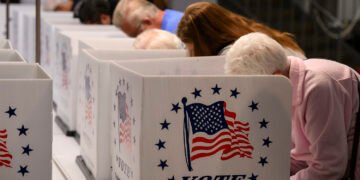






























Iowa has re-emerged as one of the most closely watched competitive states heading into the midterm elections, drawing renewed attention from political analysts, campaigns and voters across the country.
The Hawkeye State, which had drifted toward reliably Republican territory in recent election cycles, is once again showing signs of genuine competitiveness. That shift has made Iowa a focal point of midterm strategy for both major parties.
Stay connected to every major update — subscribe and follow us on the PhoenixQ website and across our social media platforms.
Iowa Returns to the Competitive Map
Political observers have noted that Iowa’s battleground status reflects broader national trends. Economic concerns, including the cost of gas and groceries, appear to be shaping voter sentiment in significant ways. These kitchen-table issues often carry outsized weight in states like Iowa, where working-class and rural voters make up a substantial portion of the electorate.
Meanwhile, Republicans find themselves playing defense in several races they might have expected to hold comfortably. That defensive posture has added to the sense that the midterm landscape is more unpredictable than many anticipated.
Democrats, for their part, see an opening. However, turning that opportunity into actual wins will require strong turnout and a message that resonates with Iowa’s diverse mix of urban, suburban and rural communities.
What Is Driving Voter Attention
Analysts point to several factors behind Iowa’s renewed competitiveness. Inflation remains a top concern for many households. Voters across the state continue to feel the pressure of rising prices at the pump and in grocery stores. Those economic frustrations can quickly translate into political consequences for whichever party holds power.
In addition, national political figures and controversies have added noise to an already complex environment. The midterm cycle has seen unusually high levels of outside attention and campaign spending directed at states like Iowa. That investment alone signals how seriously both parties are treating the state.
Furthermore, candidate quality and local campaign execution are expected to play a meaningful role in the final outcome. Iowa voters have historically shown a willingness to split their tickets, which makes the state particularly difficult to predict.
What Comes Next
As the midterms approach, Iowa’s competitive races will likely attract even more resources and media coverage. Both parties understand that the state’s electoral votes and congressional seats could help determine the balance of power in Washington.
For now, Iowa stands as a clear example of how quickly political geography can shift. A state that once seemed settled has become, once again, genuinely contested ground. Voters there will ultimately decide whether that shift produces real change on Election Day.