English











































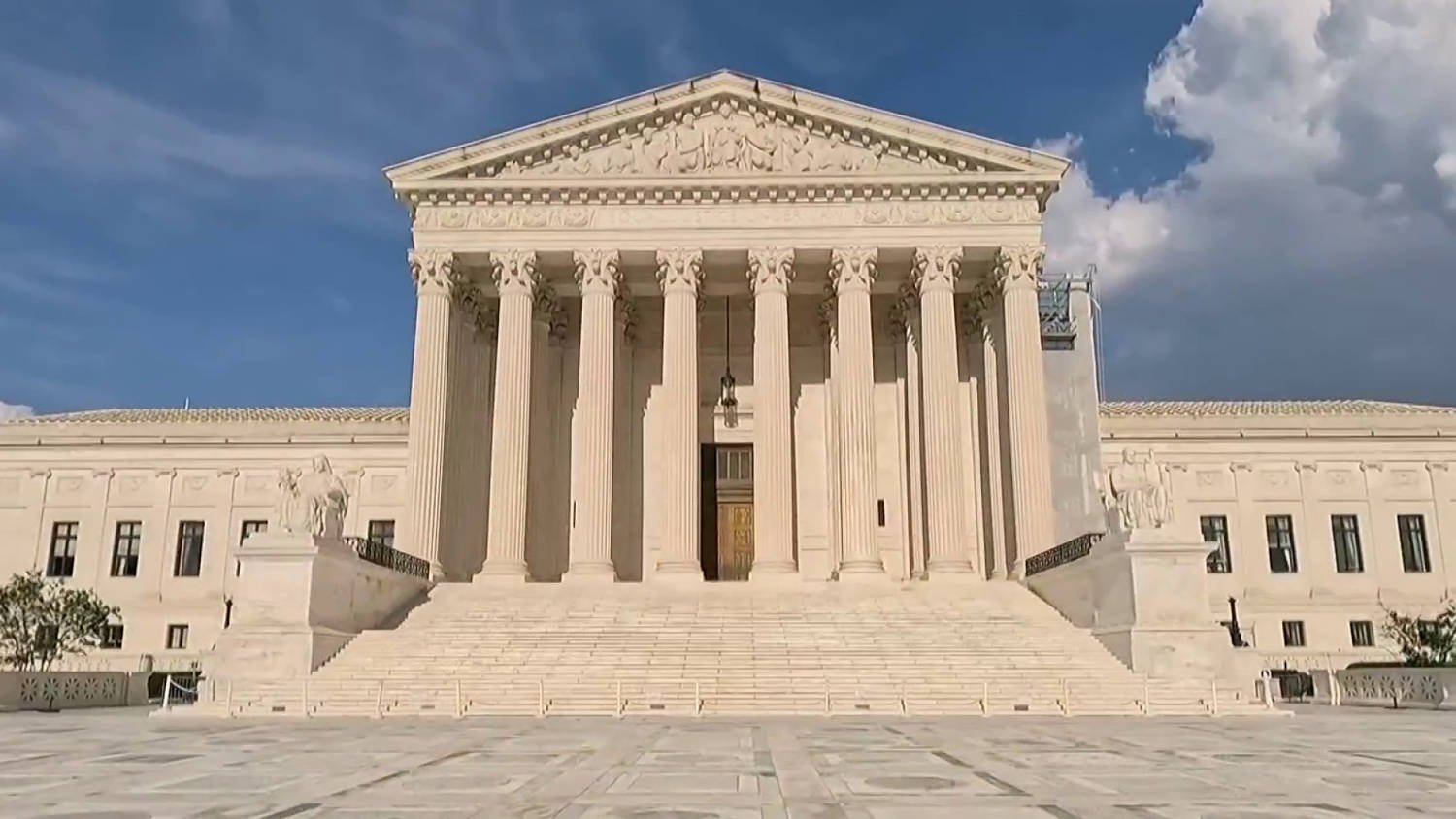
The United States Supreme Court has rejected President Donald Trump’s effort to impose restrictions on mail-in voting ahead of the upcoming midterm elections. The court’s decision blocks what would have been a significant change to how millions of Americans cast their ballots.
Court Blocks Trump’s Mail-In Voting Push
The ruling came on September 14, 2026, and drew immediate attention across the political spectrum. Trump had sought to limit access to mail-in voting, a method that has become widely used in recent election cycles. However, the Supreme Court denied his administration’s attempt to put those restrictions in place.
Stay connected to every major update — subscribe and follow us on the PhoenixQ website and across our social media platforms.
NBC News correspondent Monica Alba explained the court’s decision in her reporting. The ruling effectively preserves the current mail-in voting system as the midterm elections approach. As a result, voters who planned to cast ballots by mail will not face the new limitations the Trump administration had pursued.
What the Decision Means for Midterm Elections
Mail-in voting has been a politically charged issue in the United States for several years. Trump and his allies have long argued that the practice creates opportunities for fraud. Critics of those claims, however, point to repeated findings by election officials that mail-in voting is secure and reliable.
The Supreme Court’s rejection means that election authorities in states across the country can continue operating under existing mail-in voting rules. Therefore, no emergency changes to ballot procedures will take effect before the midterms. This outcome is a clear legal setback for the Trump administration’s broader push to reshape how elections are conducted.
Broader Political Context
The decision arrives during a period of intense political activity surrounding the midterm elections. Meanwhile, Trump has remained active on multiple policy fronts, including debates over artificial intelligence regulation, foreign policy, and proposed financial payments to Americans. His administration has faced pushback on several of those initiatives as well.
The Supreme Court’s move to deny the mail-in voting restrictions adds to a series of legal challenges the administration has encountered. For now, the rules governing mail-in voting remain unchanged. Election officials and voting rights advocates are likely to view the ruling as an important protection for voter access ahead of November.