English
















































A new Netflix documentary is shining a light on one of the most unusual stories in modern music history. The Disciple: A Wu-Tang Fable, set for release in 2026, chronicles the strange and turbulent journey of Once Upon a Time in Shaolin, the Wu-Tang Clan album that sold as a single copy for a reported $2 million in 2015. Directed by Joanna Natasegara and executive produced by RZA, the film revisits a saga that touched on art, commerce, controversy and contradiction.
One Album, One Copy, One Very Big Idea
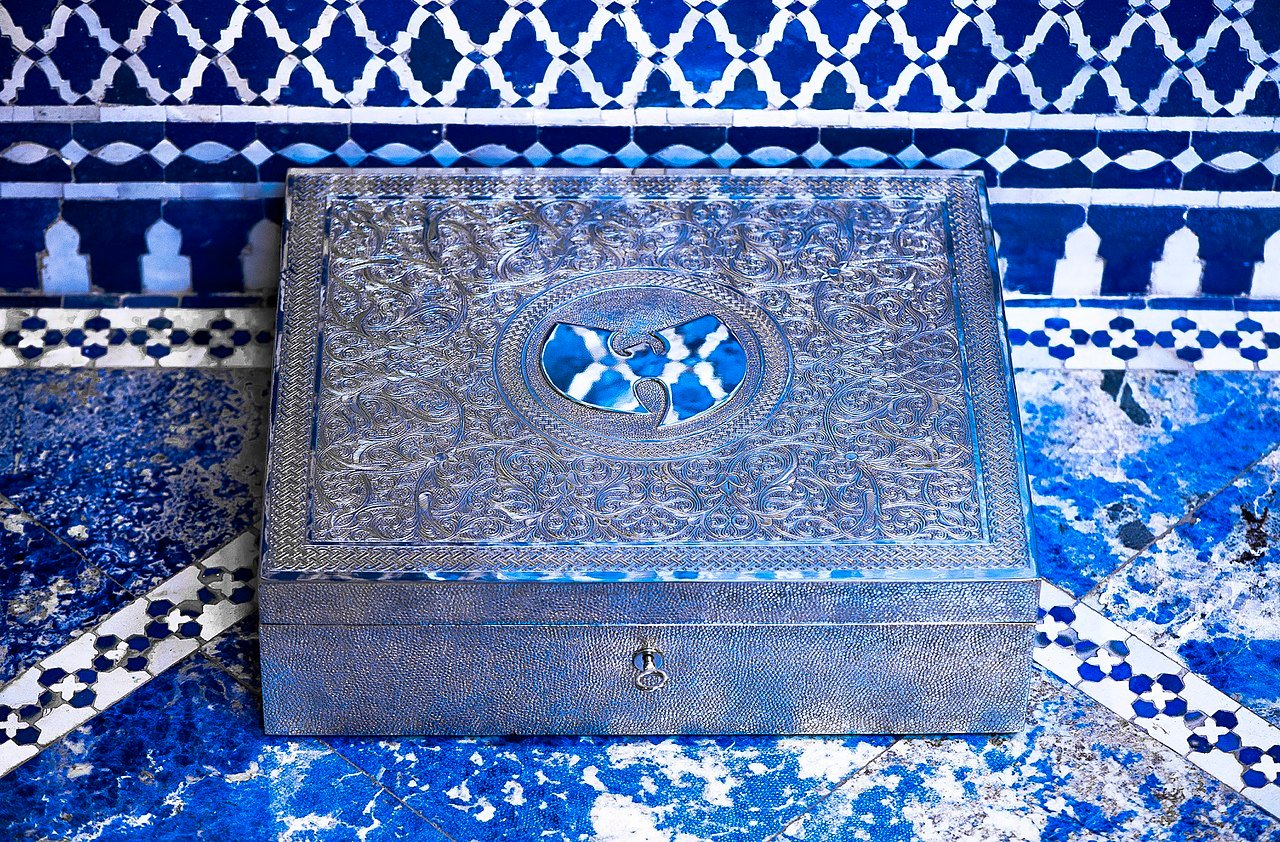
Wu-Tang Clan originally conceived Once Upon a Time in Shaolin as a conceptual protest. The group wanted to push back against music piracy and what they saw as the devaluation of music in the digital age. Their solution was radical. They pressed a single copy of the album, packaged it in a custom handcrafted silver box, and sold it through online auctioneer Paddle8 with strict conditions. The buyer could not release the music commercially for 88 years, though they could host private listening events.
Stay connected to every major update — subscribe and follow us on the PhoenixQ website and across our social media platforms.
The band drew comparisons to the fine art world. “Contemporary art is worth millions by virtue of its exclusivity,” they said at the time. However, their understanding of that world appeared limited. As the documentary reveals, the group’s art world reference points seemed largely confined to Leonardo da Vinci, Picasso and Warhol. Many insiders could have warned them that only a tiny fraction of artworks ever reach that level of value.
RZA explains the concept early in the film. “We’ll make one single copy of the album, treat it like it’s the Mona Lisa,” he says. “It was a combination of ideas that led to it. Me and my student Cilvaringz — won’t take all the credit.” When asked whether he would do it again, RZA pauses and offers only a loaded “Um …”
Martin Shkreli and the Fallout
The sale initially appeared to prove that music could command the same prices as fine art. That sense of triumph quickly collapsed, however, when the anonymous buyer turned out to be Martin Shkreli, the pharmaceutical executive widely despised for dramatically raising the price of a life-saving drug. The revelation caused significant resentment within the group.
Clan member Method Man was openly furious. “Fuck that album,” he said at the time. “When music can’t be music and y’all turning it into something else, fuck that. Give it to the people, if they want to hear the shit, let them have it. Give it away free.” He has since softened his position, after finally hearing the album.
In 2018, a court convicted Shkreli of securities fraud and conspiracy. The Department of Justice then sold the album to help cover his financial reparations. In 2021, digital art and crypto collective PleasrDAO purchased it for approximately $4 million. The group has since organized listening events at venues including the Museum of Old and New Art in Tasmania and the Angel Orensanz Center, a 175-year-old former synagogue in New York.
The Documentary’s Strengths and Weaknesses
The film spends considerable time on Tarik Azzougarh, the Dutch-Moroccan rapper and producer known as Cilvaringz, who co-created the project. Director Natasegara explains her interest in him. “Over a long lunch in beautiful Marrakech, where he lived, Tarik told me the twists and turns of the album’s 30-year story, and I was fascinated,” she writes in press materials. “It wasn’t only a great story; it resonated with me personally as someone who grew up in the ’90s with mixed heritage.”
The film traces how Azzougarh, as a teenager, flew repeatedly to New York to build connections with the Wu-Tang Clan. He eventually earned the name Cilvaringz and a place in the Killa Beez, the extended network of musicians affiliated with the group. He released his own records on their label and produced several Clan albums. Despite this compelling backstory, the documentary notably drops the album entirely for 55 minutes while focusing on his life story, which some viewers may find frustrating.
Before the sale, the band staged a listening event at MoMA PS1 in New York. Complex described the record as “rich, layered, and sonically bombastic,” with a “rugged, hard-hitting sound” reminiscent of early Wu-Tang releases. Writing for ARTnews, Dan Duray offered a more measured view, noting “plenty of unexpected samples, melodramatic horns, cheesy bits of kung-fu dialogue.” Brief audio snippets appear in the documentary.
PleasrDAO and an Unresolved Paradox
Today, Once Upon a Time in Shaolin remains in PleasrDAO’s hands. The collective’s “chief pleasing officer,” Adrian Johnson, brother of the group’s late founder Jamis Johnson, describes the challenge of ownership in a video interview with ARTnews.
“We don’t want the record to be streamed,” Adrian Johnson said. “The moment it is, it becomes another album.” He added, “Everything about it is a paradox: it’s for the people, but it’s also highly guarded. It’s quite a difficult job as stewards of this art to say, ‘How can we bring it to the people but not devalue it?'”
Jamis Johnson had previously declared in 2021 that “there’s not a world in which we don’t own this album.” The collective continues to search for creative ways to share the music without diminishing its singular status. Meanwhile, The Disciple: A Wu-Tang Fable arrives on Netflix in 2026, offering a lengthy but uneven look at a story that still has no clean resolution.