English










































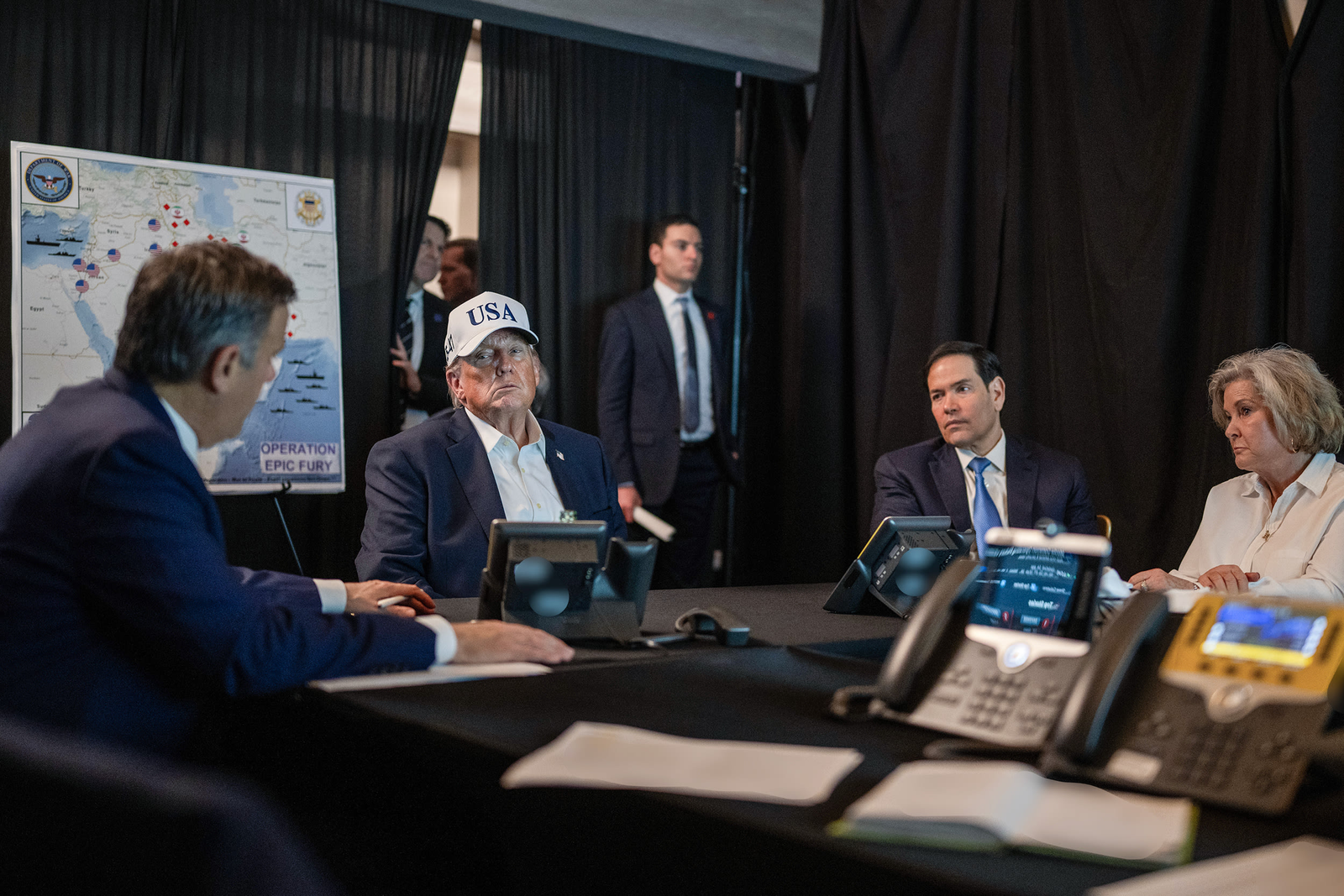
Trump halts Iran strike plans scheduled for Tuesday after receiving direct requests from Gulf leaders. President Donald Trump confirmed this decision on social media following intense diplomatic efforts. He maintains that “serious negotiations” toward a peace deal currently provide a better path forward. The President emphasized that while he paused this specific operation, the military remains on high alert.
Pressure for a lasting agreement
Trump previously warned that time was running out for Tehran to secure a viable peace framework. Despite these threats, he chose to listen to key allies, including leaders from Qatar, Saudi Arabia, and the United Arab Emirates. These nations urged the President to allow more time for diplomatic channels to resolve ongoing tensions. The President insists that any potential deal must permanently prevent Iran from obtaining nuclear weapons.
Military readiness remains a priority
While diplomacy continues, the administration keeps the threat of force on the table. Trump instructed the U.S. military to prepare for a “full, large scale assault” on a moment’s notice. This strategy serves as a clear signal that the window for negotiation is limited. The administration views the current ceasefire as fragile and demands concrete progress from Iranian officials.
Global implications of regional tension
Ongoing hostilities have significantly impacted global markets and energy prices. Uncertainty regarding the Strait of Hormuz continues to disrupt international supply chains. Analysts closely monitor these developments, as a failed agreement could trigger renewed conflict in the region. Recent discussions between the President, Israeli Prime Minister Benjamin Netanyahu, and Chinese President Xi Jinping underscore the international urgency of this situation. As the world watches, the Trump halts Iran strike decision represents a critical attempt to avoid a wider, more devastating war through calculated diplomacy.