English



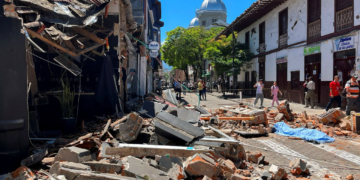












































Ebola travel restrictions are currently under intense scrutiny as Canadians question the effectiveness of potential border measures. Following a recent international flight diversion, many are asking if Canada should mirror strict U.S. entry bans. The World Health Organization (WHO) recently declared the current outbreak in Congo and Uganda a public health emergency. This rare virus has already caused hundreds of suspected cases and many tragic deaths. Despite these alarming numbers, infectious disease experts maintain that traditional travel bans offer little real protection.
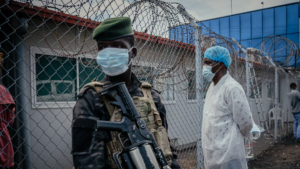
Why travel bans often fail
Dr. Gerald Evans, an infectious disease expert, believes that Ebola travel restrictions provide a false sense of security. He argues that such measures rarely work when controlling a viral hemorrhagic fever. Dr. Isaac Bogoch, a specialist at Toronto General Hospital, agrees with this assessment. He notes that the global mobility of people makes containment extremely difficult in the modern era. Unlike COVID-19, which spreads easily through respiratory droplets, this specific virus requires closer contact. Transmission usually occurs only after a patient shows significant symptoms and becomes very unwell.
Prioritizing effective health measures
Rather than closing borders, experts suggest focusing on global cooperation and support. Strengthening detection and response systems in low- and middle-income countries remains the most effective strategy. The government currently advises Canadians to practice enhanced health precautions while traveling to specific affected areas. These include using personal protective equipment and avoiding high-risk activities. Furthermore, officials remind travelers to delay non-essential trips until the risk decreases significantly.
“Stay connected to every major update — subscribe and follow us on the PhoenixQ website and across our social media platforms.”
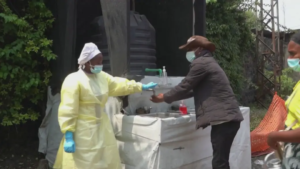
Understanding the current outbreak
This specific outbreak involves the Bundibugyo virus, a rare form of Ebola disease. Unfortunately, no approved vaccines or specific treatments currently exist for this particular strain. Patients receive supportive care at designated treatment sites to manage their symptoms. As the situation evolves, health authorities continue to monitor border crossings and international travel. The international community must prioritize coordinated surveillance and medical aid to combat this emergency. For now, the focus remains on rapid detection and community engagement to save lives across the region.