English











































“Editor-in-Chief: SHAPOUR-T”
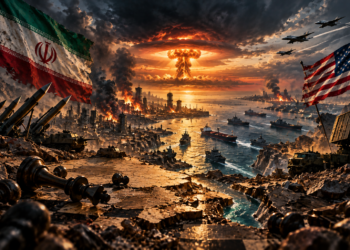
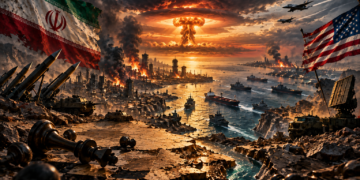
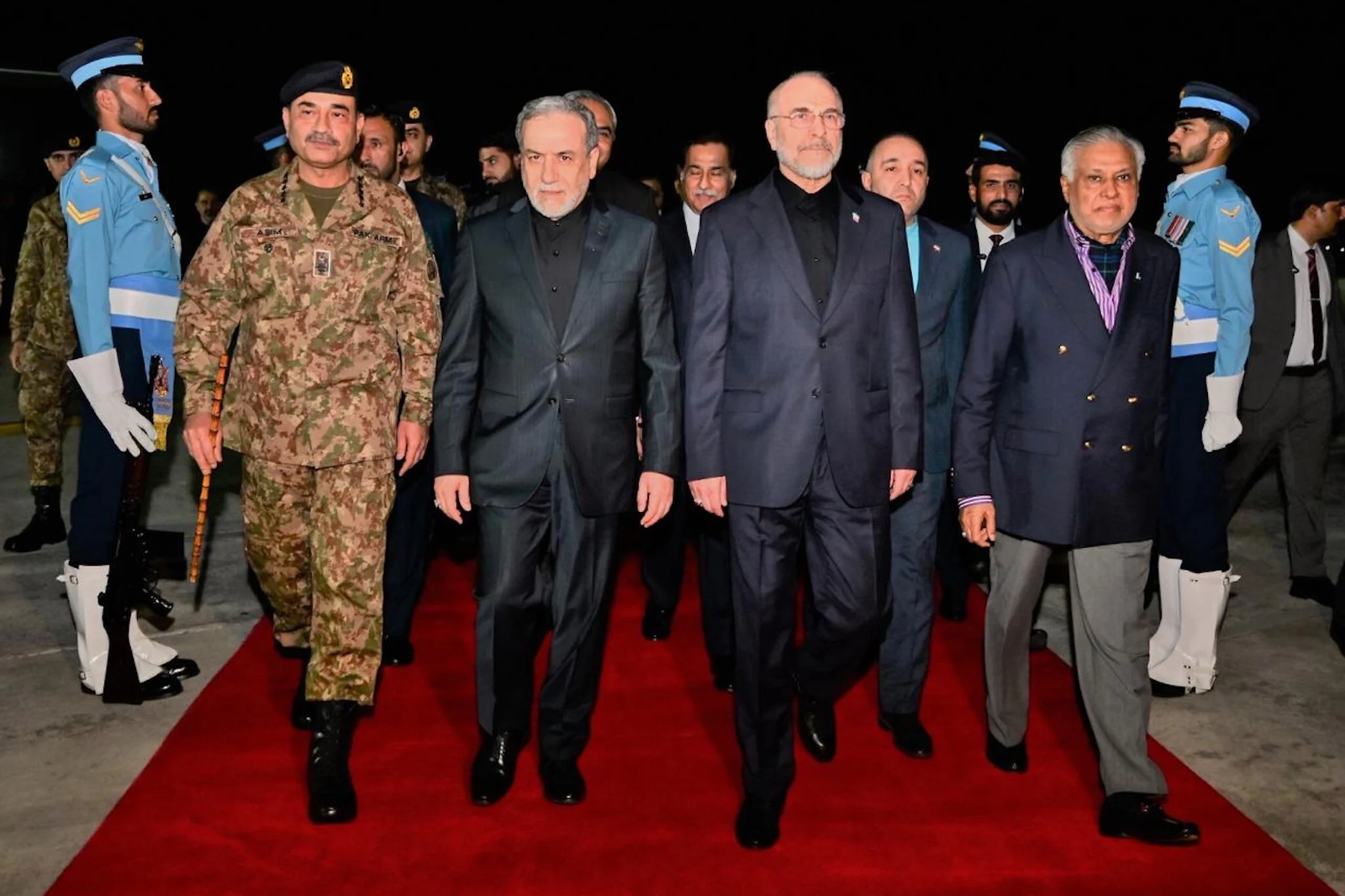
The Secrets of the 21-Hour Dialogue in Pakistan’s capital have left political observers questioning the true nature of these talks. If both sides merely reaffirmed their previous positions, why did the sessions last so long? Analysts suggest this marathon was less about immediate breakthroughs and more about managing internal crises in both nations. While the diplomatic staging in Islamabad appeared grand, the persistence of the talks proved that neither Washington nor the Islamic Republic is ready to declare absolute failure. This extended timeframe acted as a calculated investment to buy temporary stability while coordinating domestic agendas.
Qalibaf and the Power Struggle: Pushing Back Radicals in Tehran
On the domestic front, Mohammad Bagher Qalibaf’s role as a catalyst for securing consensus among power centers stood out. By prolonging the negotiations, he aimed to prove to radical factions in Tehran that every avenue of resistance had been explored. His goal was to demonstrate that the cost of non-agreement would be the total loss of the nation’s strategic assets. This strategy helps him consolidate his position as a powerful negotiator, preparing internal opponents to accept a potential deal in the near future. In essence, the Islamabad summit was designed more to curb domestic hardliners than to persuade the United States.
Washington’s Strategy: Justifying Peace with the Islamic Republic
The U.S. government also had specific motives for stretching this marathon dialogue. Washington needed to convince regional allies and domestic critics that it had pursued the “toughest” possible diplomatic path. Presenting a grueling, 21-hour negotiation is the most effective way to justify any future compromise. This approach allows the Trump administration to claim that no other diplomatic alternative remained. Consequently, the Secrets of the 21-Hour Dialogue were part of a larger project to grant international legitimacy to the eventual outcomes.
Strait of Hormuz and Uranium: Details That Froze Time
Unofficial reports indicate that technical haggling over the security of the Strait of Hormuz and enriched uranium stockpiles consumed the bulk of the time. Both sides entered highly complex discussions regarding implementation guarantees that had never been raised before. Even if core principles remained unchanged, rearranging the pieces on this new strategic chessboard required immense precision. The Foreign Ministry spokesperson rightly noted that the complexity of these new issues made the task several times more difficult. During this marathon, time was spent redefining the rules of engagement in the world’s most sensitive strategic zones.
An Uncertain Future: Seeds of Peace or Calm Before the Storm?
Ultimately, while the Islamabad talks ended without an immediate breakthrough, they kept the doors of diplomacy ajar. The resulting “gray zone” allows both parties to avoid full-scale escalation for now. This 21-hour diplomatic marathon is now a part of the complex history between the two nations, perhaps serving as the foundation for a future “Grand Bargain.” The coming days will reveal whether this session was merely a political show or a genuine step toward global stability.